

TL;DR:
- Curated furniture in 2026 emphasizes authenticity, sustainability, and versatility over matching sets.
- Warm, dark woods like walnut and burl are dominating trends, creating grounded and natural interiors.
- Layering vintage with modern pieces achieves a personal, balanced, and visually engaging curated look.
Choosing furniture in 2026 feels like navigating a maze. You want a home that looks personal and intentional, not like a showroom floor. But trends shift fast, sustainability demands are rising, and the sheer number of options makes confident decisions harder. The good news is that warm, dark woods and natural materials like walnut and burl wood are dominating design searches this year, giving you a clear starting point. This guide cuts through the noise with evidence-backed trend curation, practical evaluation criteria, and real layering strategies so your space feels collected, not coordinated.
Table of Contents
- How to evaluate curated furniture trends for your home
- Warm, dark woods and natural materials: Key style drivers in 2026
- Sustainability and modular design: Function meets future
- Layering vintage with modern: Achieving the curated look
- Why curated trends beat “matchy sets”: Practical wisdom for 2026
- Bring curated trends home with New Way Ref
- Frequently asked questions
Key Takeaways
| Point | Details |
|---|---|
| Warm woods dominate | Material trends center on walnut, burl, and rattan for a cozy, timeless update in 2026. |
| Sustainability is essential | Shoppers increasingly choose eco-friendly designs and modular furniture for flexibility and ethical impact. |
| Curated layering wins | Mixing vintage and modern creates authenticity and avoids the pitfalls of generic, matchy interiors. |
| Market-driven choices | Research-backed options help homeowners select trends that combine style, durability, and personal expression. |
How to evaluate curated furniture trends for your home
Not every trending piece belongs in your home. The key is filtering trends through a personal lens before you spend a dollar. Start with these four criteria to narrow your choices fast.
- Authenticity over uniformity. The most compelling interiors in 2026 look like they were built over years, not assembled in a weekend. Ask yourself if a piece adds character or just fills space. A walnut side table with visible grain tells a story. A generic beige ottoman does not.
- Sustainability as a baseline. This is no longer optional. A 75% of shoppers factor sustainability into furniture purchases, which means reclaimed wood, FSC-certified materials, and low-VOC finishes are now standard expectations, not premium extras.
- Versatility across room configurations. A piece that only works in one layout is a liability. Prioritize furniture that adapts, like a modular sofa that reconfigures or a coffee table that doubles as storage.
- Evidence-based trend filtering. Trends backed by search data and market reports are safer investments than social media spikes. If a style shows up in multiple credible forecasts, it has staying power.
These criteria work together. A reclaimed wood bookshelf scores high on authenticity, sustainability, and versatility. A fast-fashion accent chair scores low on all three.
Pro Tip: Before buying, photograph your current room and overlay the new piece digitally using free apps. This prevents costly mismatches in scale and tone.
For a deeper look at building a home with intention, the curated collections guide walks through how thoughtful selection creates spaces that feel genuinely personal. And if you want to align your choices with broader shifts in taste, exploring personal style in 2026 offers useful context for making decisions that age well.
The bottom line: curated furniture is not about buying the trendiest piece. It is about buying the right piece for your specific space, values, and lifestyle.
Warm, dark woods and natural materials: Key style drivers in 2026
With criteria in place, the next step is exploring trending materials shaping furniture aesthetics. And right now, one direction is pulling far ahead of the rest.
Google searches for ‘burl wood furniture’ surged 5,000% recently, and that number alone tells you something important about where design attention is focused. Warm, dark woods are replacing the light oak and whitewashed pine that dominated the last decade.
| Material | Visual character | Best use case |
|---|---|---|
| Walnut | Rich brown, visible grain | Dining tables, shelving, bed frames |
| Burl wood | Swirling, organic patterns | Statement coffee tables, accent pieces |
| Rattan | Warm tan, woven texture | Chairs, side tables, lighting shades |
| Reclaimed oak | Weathered, varied tones | Flooring, console tables, wall panels |
Each material brings something different to a room. Walnut reads as sophisticated and grounded. Burl wood is a conversation starter, its irregular patterns making every piece one of a kind. Rattan adds lightness and warmth without competing with heavier wood pieces nearby.
Here is how to integrate these materials without overdoing it:
- Anchor with one dominant wood. Choose walnut or reclaimed oak as your primary material and let everything else respond to it.
- Add texture through smaller pieces. Rattan chairs or a burl wood tray introduce variety without visual noise.
- Mix finish depths. Pair a matte walnut table with a glossy ceramic lamp for contrast that feels intentional.
“The shift away from light, minimalist finishes toward warm, organic materials reflects a broader desire for interiors that feel grounded and human.” Interior design forecasters, 2026
For a broader view of how these materials fit into the year’s overall aesthetic direction, the 2026 decor trends guide is worth your time. If you are updating a kitchen, kitchen style trends shows how warm wood tones translate into that specific space. And for a foundational understanding of the category, the contemporary furniture guide explains why modern design keeps returning to natural materials.
Sustainability and modular design: Function meets future
Beyond style, sustainable and flexible designs are influencing how spaces are arranged and enjoyed. This is where smart purchasing decisions pay off twice: once in aesthetics, and again in long-term value.
The eco-friendly furniture market is projected to reach $59.8 billion by 2027, with 67% of consumers willing to pay a premium for sustainable options. That is not a niche preference. It is a mainstream shift.
| Type | Pros | Cons |
|---|---|---|
| Reclaimed wood | Unique character, low environmental impact | Limited availability, higher upfront cost |
| Modular furniture | Adaptable, reduces waste over time | Can look clinical if not styled well |
| Vintage integration | Authentic feel, often durable | Requires more sourcing effort |
Modular furniture deserves special attention. A modular sofa, for example, can be reconfigured as your household changes. You add a section when guests arrive, remove one when the room needs breathing space. That adaptability directly reduces the cycle of buying and discarding furniture every few years.
Practical ways to bring sustainable design into your home:
- Start with one reclaimed wood piece as a focal point, then build around it.
- Choose modular storage over fixed built-ins when possible, especially in smaller rooms.
- Integrate one vintage item per room to add authenticity and reduce new production demand.
- Look for certifications like FSC, GREENGUARD, or Cradle to Cradle when shopping new pieces.
Pro Tip: Modular furniture from brands that offer replacement parts extends the life of your investment significantly. Always check if components are sold separately before purchasing.
For practical advice on making flexible furniture work in tighter spaces, the modular furniture guide covers real room scenarios with actionable solutions.
Layering vintage with modern: Achieving the curated look
Once materials and sustainability are in mind, effective layering brings the curated trend to life. This is where most homeowners either nail the look or lose it.
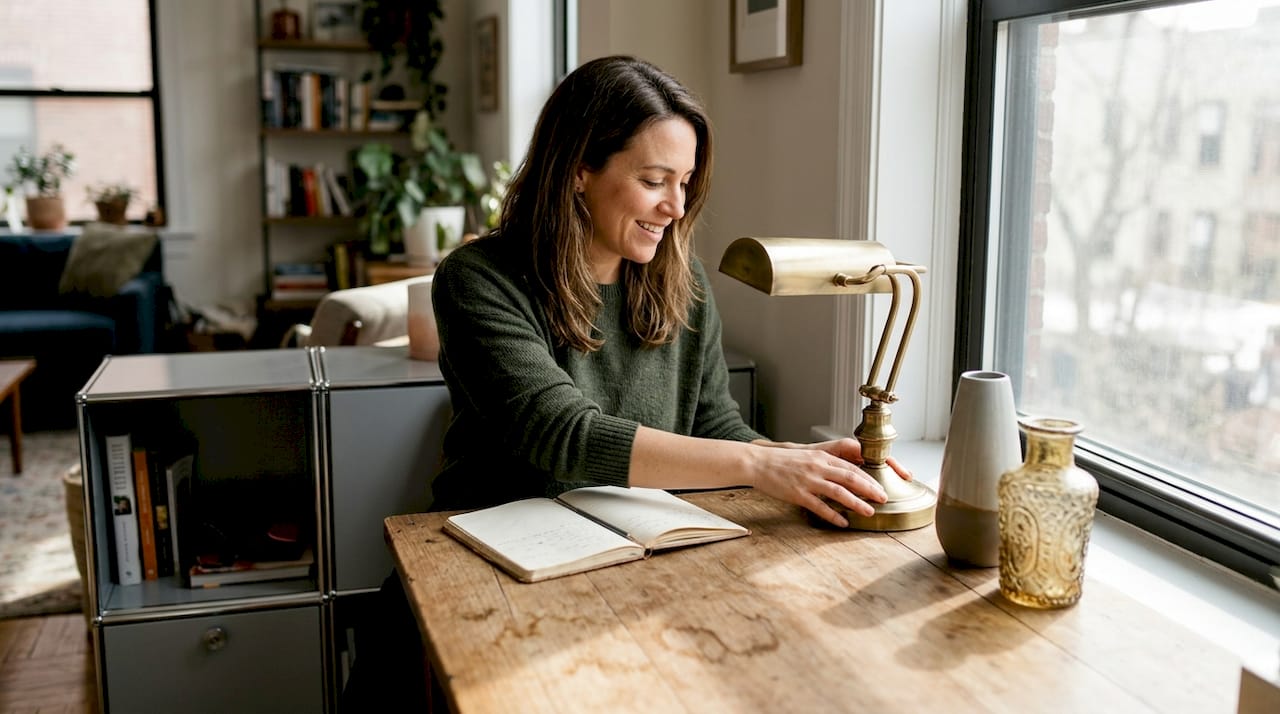
Curated interiors blend vintage and modern for authenticity, and balance is the key to avoiding clutter. The goal is a room that looks collected over time, not assembled in one trip to a furniture store.
Here is a simple process for layering vintage and modern pieces:
- Establish your modern anchor. Choose one large, contemporary piece as the room’s foundation. A clean-lined sofa or a walnut dining table works well.
- Introduce one vintage statement. A mid-century armchair, an antique mirror, or a reclaimed wood side table adds depth without competing with the anchor.
- Connect with textiles. Rugs, throws, and cushions in complementary tones bridge the gap between old and new visually.
- Edit ruthlessly. Remove anything that does not serve the room’s story. Clutter is the enemy of the curated look.
Key rules for avoiding visual chaos:
- Limit your palette to three dominant colors across all pieces.
- Keep one consistent material thread running through the room, like wood or metal.
- Vary the scale of objects: tall lamp, low coffee table, mid-height shelf.
“The most successful curated rooms feel like they have a biography. Each piece has a reason for being there.” Interior stylist perspective, 2026
For step-by-step guidance on building this kind of layered look, the modern decor layering guide breaks it down room by room. If you are setting up a first home or a compact apartment, young professional decor ideas shows how to achieve the curated feel on a realistic budget.
Why curated trends beat “matchy sets”: Practical wisdom for 2026
Here is something most furniture retailers will not tell you: pre-matched furniture sets are the fastest way to make your home look forgettable. They are designed for convenience, not character.
Curated interiors are preferred for authenticity over coordinated sets in 2026, and the reason is simple. When everything matches perfectly, the room reads as a catalog page, not a home. There is no tension, no story, no sense that a real person lives there.
The smarter approach is to treat your room like a playlist, not an album. Each piece should belong to the same general mood while bringing its own distinct quality. A walnut coffee table, a vintage rattan chair, and a contemporary linen sofa can share a room beautifully because they share a warmth and material honesty, even though none of them match.
The one rule that keeps this from becoming chaos: anchor with one dominant material or color, then let everything else respond to it. If walnut is your anchor, every other piece should either complement its warmth or contrast it deliberately.
For more on how modern furniture supports both style and function without over-coordinating, enhancing style with modern furniture offers a practical framework worth reading.
Bring curated trends home with New Way Ref
Ready to apply these trends? Here is where you can find furniture and decor that goes beyond the ordinary.
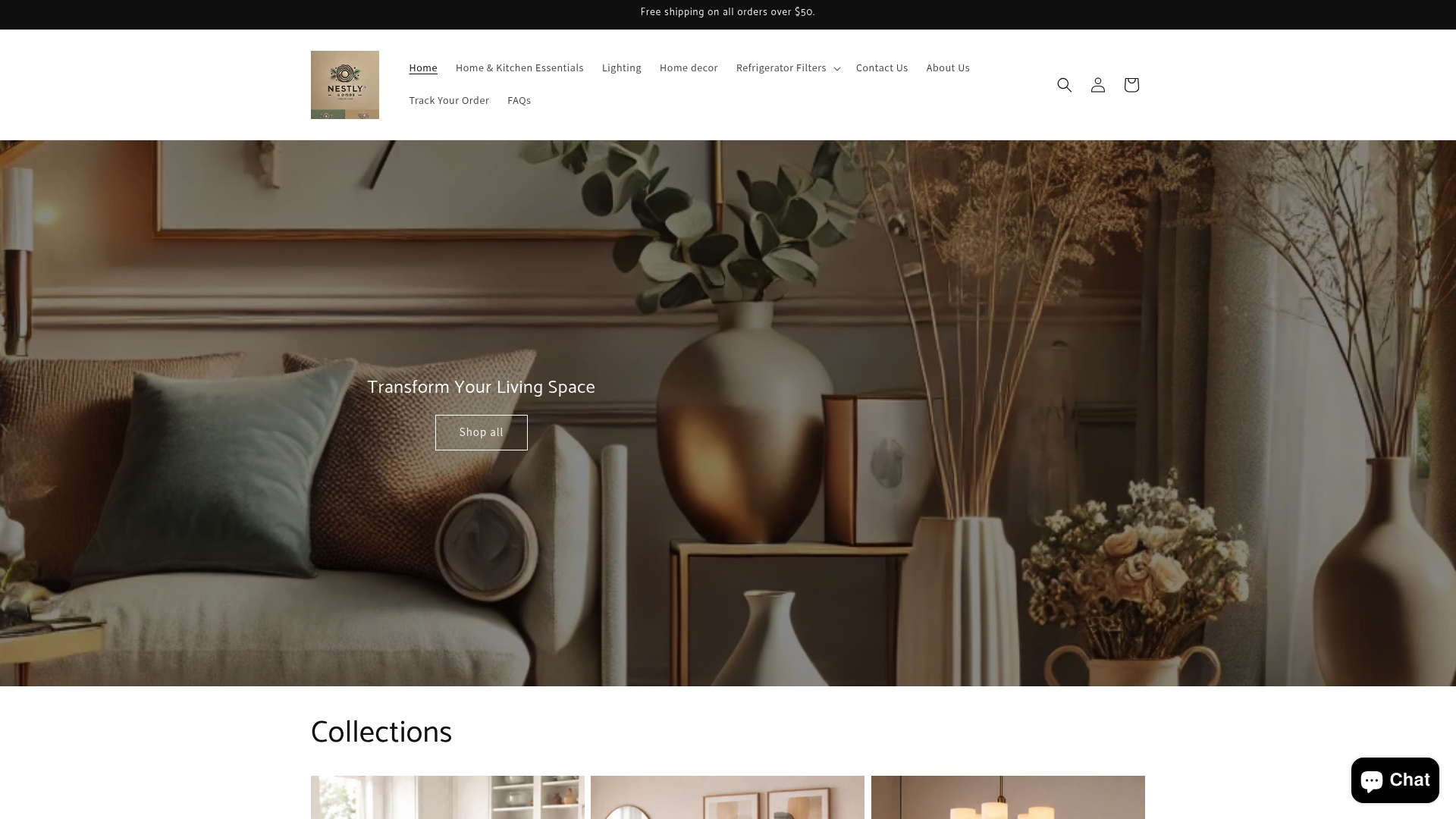
At New Way Ref, we carry a thoughtfully curated selection of furniture and home decor that aligns with what is actually trending in 2026. From warm wood coffee tables and modular storage solutions to vintage-inspired accent pieces, our catalog is built for homeowners who want their spaces to feel personal and intentional. We offer free shipping on orders over $50, and every product is chosen with both style and function in mind. Browse our collections and find the pieces that fit your space, your values, and the look you are building.
Frequently asked questions
What makes a furniture trend ‘curated’ in 2026?
A curated trend blends vintage and modern pieces for authenticity, prioritizing personal style and quality materials. The collected over time approach favors layering over matching for a more genuine result.
How do sustainable materials influence furniture choices this year?
Sustainable options like reclaimed wood and modular furniture are highly desired, with the eco-market reaching $59.8B by 2027 and 67% of buyers willing to pay more for eco-friendly pieces.
Are warm, dark woods overtaking lighter finishes in popularity?
Yes, warm woods like walnut and burl are trending strongly, with burl wood searches surging 5,000% as homeowners shift away from lighter oak finishes.
What is the risk of mixing too many styles when curating interiors?
The main risk is visual clutter. Keeping one dominant material or color as an anchor and editing for balance prevents the room from feeling chaotic.
Where can I find curated furniture matching these trends?
New Way Ref offers a range of options aligned with 2026 curated furniture trends, from sustainable reclaimed wood pieces to vintage-inspired and modular designs.
Recommended
- Upgrade your home: 2026’s modern lighting trends revealed – New Way Ref
- Home Decor Guide 2026: Transform Your Urban Space Easily – New Way Ref
- Kitchen decor trends 2026: Warm style & smart design – New Way Ref
- How personal style transforms your interiors in 2026 – New Way Ref
- Luxury stone decor ideas: marble and travertine in 2026 – Marmorique