

TL;DR:
- Proper lighting enhances mood, space perception, and functionality in home rooms.
- Selection depends on fixture type, installation, room size, and lighting goals like ambient, task, or accent.
- LED fixtures are most energy-efficient, with long lifespans and versatile options for all spaces.
Lighting is one of the most powerful tools you have when shaping the feel of your home, yet most people treat it as an afterthought. The right fixture can make a cramped room feel open, a plain wall feel architectural, and a functional kitchen feel warm. With hundreds of fixture styles, bulb types, and installation methods on the market, choosing what’s right for your space can feel genuinely overwhelming. This guide cuts through the noise. You’ll learn the core criteria for evaluating fixtures, what each major type brings to a room, how they compare side by side, and which options suit specific rooms and lifestyles.
Table of Contents
- How to evaluate and select lighting fixtures
- Main types of lighting fixtures explained
- Head-to-head: Lighting fixture types compared
- Best lighting fixtures for different rooms and needs
- What most people get wrong about home lighting
- Transform your home with expertly curated lighting
- Frequently asked questions
Key Takeaways
| Point | Details |
|---|---|
| Fixture selection matters | Matching fixture types to room function and style boosts comfort and impact. |
| Energy-efficient lighting | LED fixtures save money and last longer than traditional alternatives. |
| Layered lighting works best | Combining multiple fixture types creates flexible, beautiful spaces. |
| Installation is key | Understanding fixture requirements ensures safe and lasting setups. |
How to evaluate and select lighting fixtures
Before browsing fixtures, it helps to know exactly what you’re evaluating. There are four key criteria that should guide every decision: fixture type, installation method, room size, and your lighting goal.
Lighting goals fall into three categories:
- Ambient lighting provides overall illumination and sets the baseline mood of a room.
- Task lighting targets a specific area where focused light is needed, like a countertop or desk.
- Accent lighting highlights architectural details, artwork, or focal points.
Each room typically needs a mix of all three to feel balanced and livable. A modern home lighting guide can help you map out what your specific spaces need before you buy.
Installation is where many homeowners run into surprises. Ceiling fixtures require a junction box rated for the fixture’s weight, while recessed lights need ceiling cutouts, and wall sconces mount to an electrical box. Portable lamps simply plug in. Knowing this upfront saves you from costly rework.
Energy efficiency is another key factor. LED fixtures produce 75-210 lm/W and last 25,000 to 50,000 hours, compared to incandescent bulbs that produce just 12-15 lm/W and last around 1,000 hours. The long-term savings are significant.
For safety and compliance, always verify your home’s wiring type before installing anything hardwired. If you’re uncertain, consulting a licensed electrician is always the smart move. You can also find guidance on selecting lighting fixtures if you want a step-by-step walkthrough before committing to a style.
Pro Tip: Match the fixture’s diameter in inches to the room’s diagonal measurement in feet. A 12x15 foot room has roughly a 19-foot diagonal, so a 19-inch fixture works well as a centerpiece.
Also worth noting: outdoor lighting improves both safety and curb appeal, so don’t limit your fixture planning to the interior.
Main types of lighting fixtures explained
Once you understand the selection criteria, it’s time to explore the major types of fixtures you’ll be choosing from. Each has a distinct look, function, and installation requirement.
Ceiling fixtures are the most common starting point for any room. This category includes:
- Chandeliers: Statement pieces that anchor a dining room or entryway. They add drama and elegance.
- Pendant lights: Focused downward illumination, ideal over kitchen islands or dining tables.
- Flush mounts and semi-flush mounts: Low-profile options for rooms with standard or low ceilings.
All of these require a rated junction box capable of supporting the fixture’s weight and electrical load.
Wall fixtures include sconces and picture lights. These add dimension and architectural interest to any room. Sconces work well in hallways, bedrooms, and bathrooms, while picture lights draw the eye to artwork or feature walls.
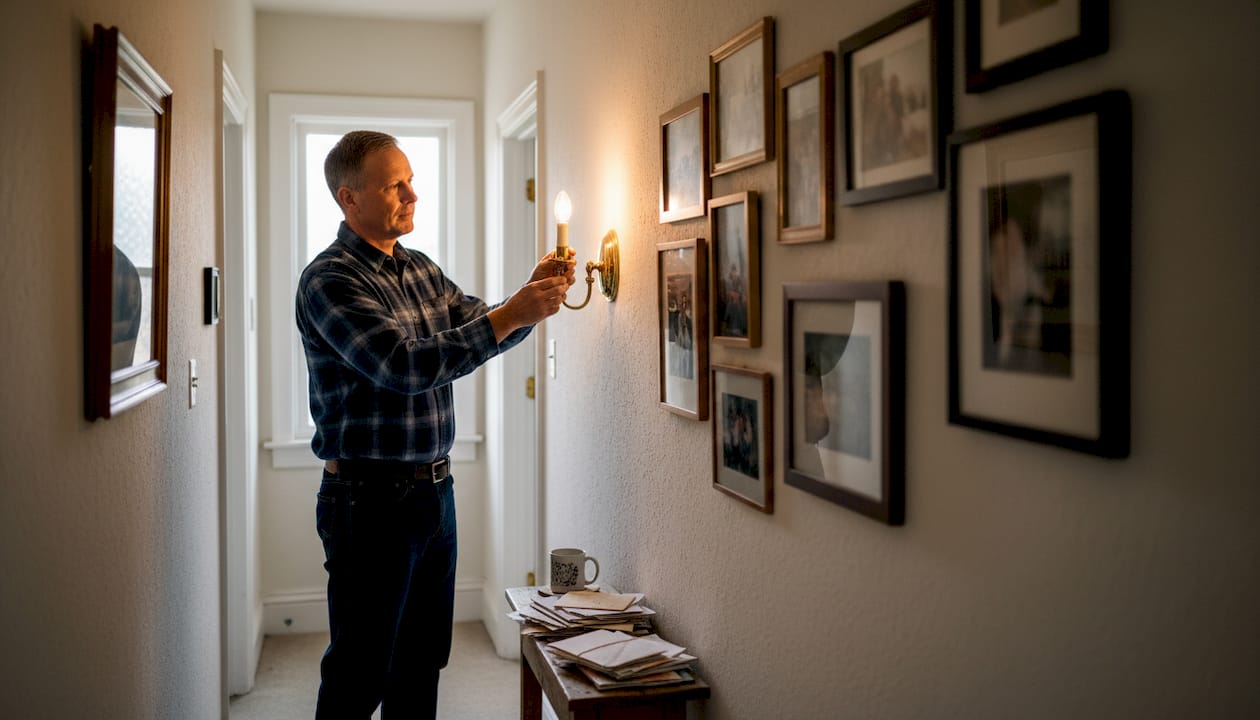
Portable lamps (table lamps, floor lamps, and desk lamps) are the most flexible option. They require no installation, can move room to room, and come in virtually every style imaginable.
Recessed and track lighting sit flush with or close to the ceiling surface. They’re unobtrusive and excellent for layering light across large spaces or highlighting specific zones.
Designer note: In living areas, prioritize ambient ceiling fixtures paired with accent or task lamps for flexibility. In task-heavy spaces like kitchens, favor directional recessed or pendant lighting positioned directly over the work surface.
If you want to stay current, the 2026 lighting trends article covers what’s popular in shapes, finishes, and smart lighting integrations right now. Understanding lighting’s role in decor also helps you choose fixtures that work with your existing furniture and color palette.
Head-to-head: Lighting fixture types compared
With the basics and core fixture types covered, compare them side by side to see what best fits your home’s unique needs.
| Fixture type | Installation difficulty | Light efficiency | Avg. lifespan | Estimated cost range | Best rooms |
|---|---|---|---|---|---|
| Chandelier | Moderate to high | Moderate (LED option: high) | 20+ years | $80 to $1,500+ | Dining room, entryway |
| Pendant light | Moderate | Moderate to high | 15 to 20 years | $40 to $500 | Kitchen, dining, office |
| Flush mount | Low to moderate | Moderate to high | 10 to 20 years | $25 to $300 | Bedroom, hallway, bathroom |
| Wall sconce | Moderate | Moderate | 10 to 20 years | $30 to $400 | Hallway, bedroom, bathroom |
| Recessed light | High (requires cutout) | High (LED) | 25,000 to 50,000 hrs | $20 to $150 per unit | Kitchen, living room, office |
| Track lighting | Moderate | High | 15 to 25 years | $50 to $600 | Gallery, retail-style rooms |
| Portable lamp | None | Variable | 5 to 15 years | $20 to $500 | Any room with outlet |
The efficiency standout in this comparison is clear. LED lights produce 75-210 lm/W and operate at 80 to 90% efficiency, while incandescent bulbs max out at 12 to 15 lm/W with a fraction of the lifespan. That means switching your entire home from incandescent to LED could cut your lighting energy use by more than 80%.
The comparison also shows that recessed lighting requires the most effort to install but pays off with the cleanest look and best long-term efficiency. Chandeliers and pendants are mid-range in cost and installation complexity but deliver the strongest visual impact.
For a deeper look at how fixture choices shape your home’s overall feel, the guide on lighting’s impact on ambiance is worth reading before you finalize your selections.
Best lighting fixtures for different rooms and needs
Having seen the comparison, here’s how different fixture types align with specific rooms and lifestyle demands.
Room-by-room recommendations:
- Kitchen: Recessed downlights over work surfaces plus pendant lights above the island. Prioritize task lighting above everything.
- Living room: A flush mount or chandelier for ambient light, paired with floor lamps and table lamps for warmth and reading.
- Bedroom: Overhead flush mounts or semi-flush for general light, with bedside table lamps for task and mood.
- Bathroom: Vanity wall sconces on either side of the mirror provide the most flattering task light for grooming. Avoid overhead-only setups.
- Workspace or home office: Adjustable desk lamps plus recessed or track lighting above to reduce eye strain.
- Outdoor spaces: Wall-mounted sconces, post lanterns, and pathway fixtures designed for weather resistance.
| Room | Primary fixture | Secondary fixture | Lighting goal |
|---|---|---|---|
| Kitchen | Recessed downlights | Pendants | Task + ambient |
| Living room | Chandelier or flush mount | Floor lamp, table lamp | Ambient + accent |
| Bedroom | Flush mount | Bedside table lamps | Ambient + task |
| Bathroom | Vanity sconces | Recessed (ceiling) | Task + ambient |
| Workspace | Track or recessed | Adjustable desk lamp | Task |
| Outdoor | Wall sconce, lantern | Pathway fixtures | Safety + accent |
For outdoor applications, garden lighting design covers how to plan fixture placement for both safety and visual appeal.
Using LED bulbs throughout every room gives you the best efficiency, color rendering, and longevity regardless of which fixture type you choose. For renters or anyone who doesn’t want to hardwire anything, the article on apartment lighting ideas covers smart plug-in and portable options that still look polished.
Pro Tip: In large, open-plan rooms or multipurpose spaces, combine at least three fixture types: one overhead source, one directional or accent fixture, and one portable lamp. This layered approach gives you full control over mood and function throughout the day.
For a practical layout plan, arranging lighting for function walks you through spacing, height, and placement guidelines room by room.
What most people get wrong about home lighting
Here’s the honest truth that most lighting guides won’t tell you: brighter is not better. A room flooded with a single overhead fixture actually feels harsher and flatter than one lit with three softer sources at varying heights. The obsession with lumens misses the point entirely.
The real goal is intentional light placement. A $40 floor lamp positioned in the corner of your living room can do more for your space’s atmosphere than a $400 chandelier installed without thought. Good lighting design is about where the light falls, not just how much of it there is.
Another common mistake is ignoring color temperature. Warm light (2700K to 3000K) feels relaxing and suits bedrooms and living areas. Cool light (4000K to 5000K) aids focus and suits kitchens and offices. Mixing temperatures without intention creates visual discomfort that’s hard to diagnose.
Personal lifestyle matters too. A night owl who reads in bed needs a very different setup than someone who works from home all day. No single fixture solves every need. For smaller spaces where thoughtful placement is especially critical, lighting for small spaces offers targeted strategies that make a real difference.
Transform your home with expertly curated lighting
You now have a solid framework for choosing fixtures that fit your rooms, your style, and your lifestyle. The next step is finding pieces that actually deliver on all three.
At newwayref.store, we’ve thoughtfully curated a collection of modern lighting fixtures across every category covered in this guide, from sculptural pendants and elegant flush mounts to versatile floor lamps. Free shipping is available on orders over $50. If you’re still narrowing down your options, our lighting fixture selection tips page walks you through the decision with even more detail. Browse the full collection today and find the fixtures that will genuinely transform your space.
Frequently asked questions
What type of lighting fixture is most energy efficient?
LED fixtures are 80-90% efficient and last up to 50,000 hours, making them far more energy efficient than incandescent or halogen alternatives.
How do I know if a lighting fixture can be installed in my ceiling?
Check that you have a rated junction box capable of supporting your fixture’s weight. Heavy chandeliers may require a joist brace or heavy-duty rated box.
Which type of fixture is best for a kitchen or workspace?
Recessed downlights and bright pendant lights are the top choices for kitchens and workspaces because they deliver focused task-level lumens directly where you need them.
Are portable lamps safe to use in any room?
Yes. Portable lamps plug-in only and can be used anywhere with an outlet, as long as cords are kept clear of walkways and you use UL-rated products.