

TL;DR:
- Creating stylish spaces involves a clear, step-by-step process focused on assessment and planning.
- Follow the 80/20 rule: invest 80% in timeless anchor pieces and 20% in trendy accents.
- Layer textures and add finishing touches like art and lighting to achieve a polished, welcoming room.
Redecorating a room sounds exciting until you’re standing in the middle of it, unsure where to start. Too many choices, too little direction, and a budget that doesn’t stretch as far as your Pinterest board suggests. The good news is that stylish, functional spaces aren’t the result of luck or a massive budget. They come from following a clear, repeatable process. This guide walks you through every stage, from clearing the clutter to hanging the last piece of art, so you can create a home that looks great and actually works for the way you live.
Table of Contents
- Assess your space and define your decor goals
- Plan your palette and anchor pieces using the 80/20 rule
- Layer textures and choose accessories for a polished look
- Perfect your space: art, lighting, and finishing touches
- Our home decor philosophy: what most guides get wrong
- Need help creating your dream space?
- Frequently asked questions
Key Takeaways
| Point | Details |
|---|---|
| Declutter before decorating | Start your makeover by removing unnecessary items to reveal space. |
| Follow the 80/20 rule | Invest most of your budget in quality anchor pieces and use accents for style. |
| Layer textures and accessories | Combine different materials and group accessories in odd numbers for a polished effect. |
| Finish with lighting and art | Place rugs, art, and lighting thoughtfully to complete a balanced, stylish room. |
Assess your space and define your decor goals
Before you buy a single throw pillow or paint a single wall, you need to understand what you’re working with. Walk through each room and take an honest look at what’s there. What’s not working? What do you love? What feels crowded, dark, or just off? This step saves you from making expensive decisions based on impulse rather than reality.
One of the most effective things you can do before decorating is declutter first for that model-home feel. Clutter doesn’t just look messy. It actually makes rooms feel smaller, darker, and harder to style. Removing excess items lets you see the true bones of your space, including its natural light, traffic flow, and proportions. You can find practical decluttering tips to help you get started without feeling overwhelmed.
Once the room is cleared, assess these key factors:
- Natural light: Which direction do your windows face? Morning or afternoon light changes how colors look throughout the day.
- Traffic flow: Where do people naturally walk? Furniture placement should never block the path between entry points.
- Existing style: What pieces are staying? Your decor goals need to work with what you already own, not fight against it.
- Room function: Is this a space for relaxing, working, entertaining, or all three? Function shapes every decision that follows.
Setting clear, realistic goals is just as important as the physical assessment. Vague goals like “make it look nicer” lead to scattered purchases. Specific goals like “create a calm reading corner with better lighting” give you a filter for every buying decision.
| Assessment factor | Questions to ask |
|---|---|
| Light | Is it bright, dim, or mixed throughout the day? |
| Space | Does the layout feel open or cramped? |
| Style | What’s the current vibe, and do you want to keep it? |
| Function | What activities happen in this room daily? |
Pro Tip: Take photos of your room from multiple angles before you start. Seeing your space through a camera lens reveals clutter and layout issues that you might miss when standing in the room. It also helps you track your progress.
If you’re unsure what style direction to take, exploring different interior decor styles can help you identify what resonates with you before you commit to any purchases.
Plan your palette and anchor pieces using the 80/20 rule
With a clear picture of your space and goals, the next step is building a decor foundation that will last. This is where the 80/20 rule becomes your best planning tool. The 80/20 rule in decor means putting 80% of your budget toward timeless anchor pieces and 20% toward trendy accents. It also applies to color: 80% dominant or neutral tones, 20% accent colors.
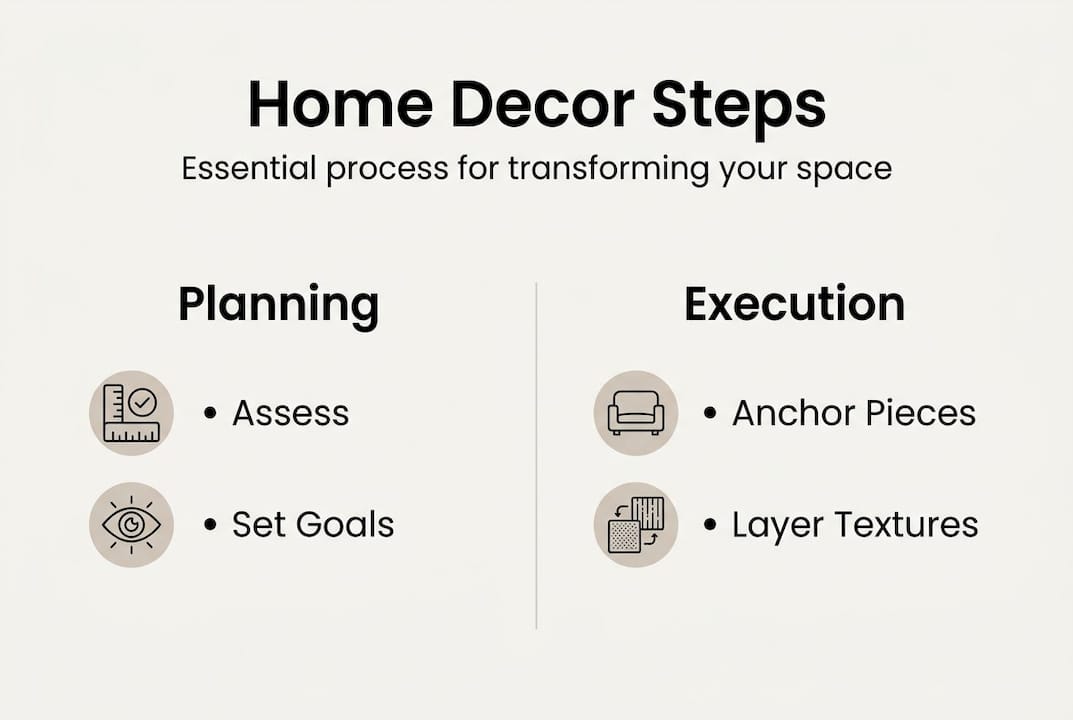
This approach protects you from a very common mistake: spending heavily on trendy items that feel dated within two years, while skimping on the foundational pieces that define the room’s quality and comfort.
Anchor pieces are the big-ticket items that set the tone for everything else. These typically include:
- Sofa or sectional: The visual and functional center of most living rooms
- Area rug: Grounds the furniture arrangement and adds warmth
- Lighting fixtures: Overhead and accent lighting shape the entire mood of a room
- Storage furniture: Bookshelves, cabinets, and sideboards that serve both form and function
For color, start with a neutral base like warm white, soft gray, or greige (a mix of gray and beige) for walls and large furniture. Then layer in your 20% accent colors through cushions, artwork, and smaller decor items. This makes it easy and affordable to refresh the look seasonally without replacing anything major.
| Budget category | What to spend on | Why it matters |
|---|---|---|
| 80% (anchor pieces) | Sofa, rug, lighting, storage | Long-term quality and style foundation |
| 20% (trendy accents) | Cushions, vases, artwork | Easy to swap as trends change |
A well-planned lighting selection workflow is especially important here since lighting is often underestimated as an anchor piece. Good lighting transforms a room more than almost any other single element. For more ideas on pulling the whole room together, check out these living room setup tips that cover layout, scale, and balance.
Pro Tip: Before buying any anchor piece, cut out paper templates to scale and lay them on the floor. This simple trick prevents the most common and costly mistake in decorating: buying furniture that doesn’t fit the space properly.
Layer textures and choose accessories for a polished look
Once your main pieces and palette are in place, the room might still feel flat or unfinished. That’s normal. What it needs now is texture and accessories, the details that make a space feel curated rather than just furnished.
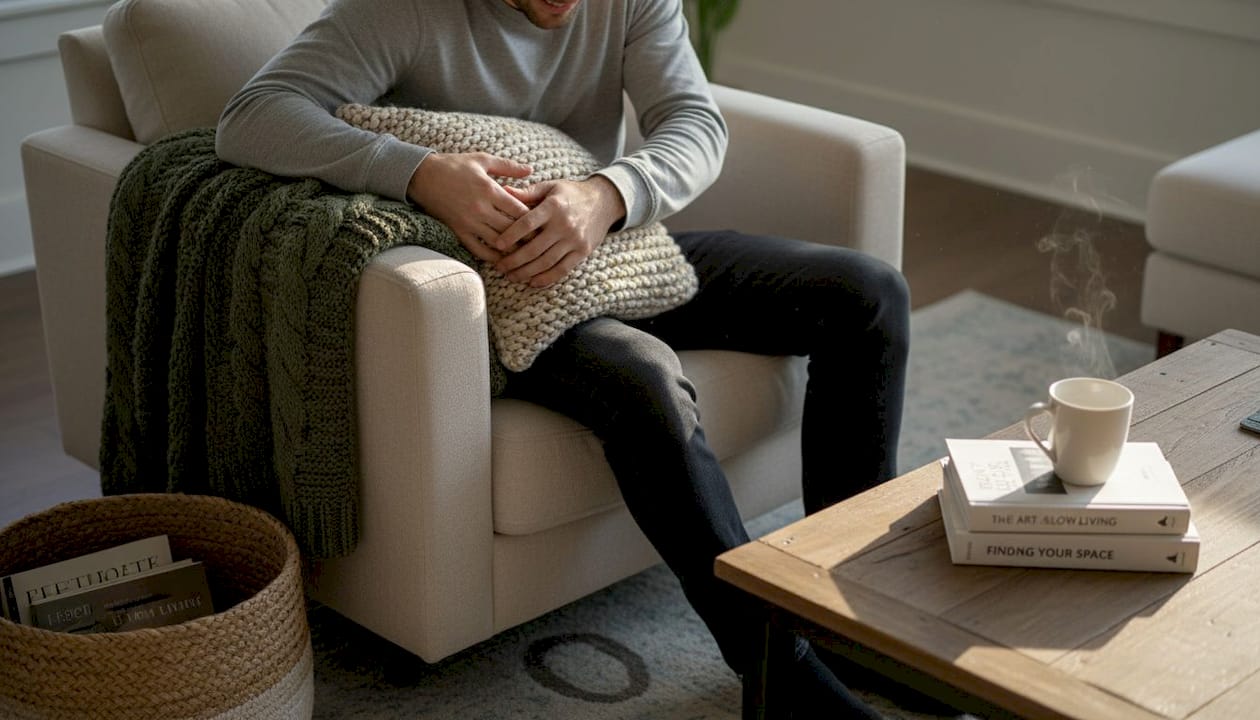
The key to layering textures is following a simple ratio: 60% smooth surfaces, 30% medium textures, and 10% rough or natural materials. This balance creates visual interest without making the room feel chaotic or overdone.
Here’s how to apply that in practice:
- Start with smooth: Painted walls, glass coffee tables, and polished wood floors form your smooth base.
- Add medium textures: Woven cotton cushions, linen curtains, and knit throws bring in warmth and softness.
- Introduce rough accents: A jute rug, a ceramic vase, or a raw wood tray adds organic contrast and grounds the look.
- Use odd numbers: Group accessories in sets of three or five. Odd groupings feel more natural and dynamic than even pairs.
- Vary heights: When arranging items on a shelf or table, use pieces of different heights to create visual movement.
“A room that looks effortlessly styled usually has a deliberate mix of textures working quietly in the background. The eye moves around the space because there’s always something slightly different to land on.”
One of the most common accessory mistakes is going too small. Tiny decorative items on large surfaces look sparse and disconnected. Choose fewer, larger pieces and let them breathe. You can explore ideas for mixing home accessories to find combinations that feel intentional and cohesive.
Also, don’t forget to edit. After arranging your accessories, step back and remove one item. More often than not, the arrangement looks better with less. Restraint is a styling skill, and it’s one that gets easier with practice.
Perfect your space: art, lighting, and finishing touches
You’re in the final stretch. Furniture is placed, textures are layered, and your color palette is working. Now it’s time to add the finishing touches that pull everything together and give your room that polished, intentional look.
Art placement is one of the most misunderstood aspects of home decor. The most reliable rule is to hang art at eye level, with the center of the piece at 57 inches from the floor. This is the standard used in most galleries and creates a natural, comfortable viewing experience. For rugs, position them so the front legs of your furniture rest on the rug. This anchors the seating arrangement and makes the room feel intentional rather than scattered.
Lighting deserves its own strategy. A well-lit room uses three types of light:
- Ambient lighting: The main overhead source that fills the room with general light
- Task lighting: Focused light for reading, cooking, or working, like a floor lamp or desk lamp
- Accent lighting: Decorative sources like table lamps, LED strips, or wall sconces that add warmth and dimension
Layering all three makes a room feel alive at any time of day or night. You can find creative lighting ideas for apartments that work even in smaller spaces with limited ceiling fixtures.
For finishing touches, think about what you see when you first walk into the room. That first impression matters. A styled entry table, a fresh plant, or a neatly arranged bookshelf signals that the space is cared for. These small details are also covered well in decor tips for new spaces if you want more inspiration for personalizing a room.
Pro Tip: After completing a room, photograph it again and compare it to your before photos. This not only shows you how far you’ve come but also reveals any remaining imbalances in scale, color, or arrangement that are easy to miss in person.
Our home decor philosophy: what most guides get wrong
Most decorating guides focus almost entirely on aesthetics. They tell you what looks good right now, which colors are trending, and which furniture shapes are popular this season. What they rarely tell you is that the most beautiful rooms are the ones that actually get used.
We’ve seen it happen repeatedly. Someone decorates a living room to look like a magazine spread, then avoids sitting in it because it feels too precious. That’s not a success. That’s a missed opportunity.
The spaces that hold up over time, the ones people genuinely love living in, are built around real habits and real needs. They reflect the people who live there, not just a trend cycle. Exploring finding your home aesthetic is a worthwhile step, but only after you’ve asked yourself how you actually live in your home day to day.
Perfection is overrated. A room with a worn throw blanket, a stack of books, and a plant that’s slightly overgrown can feel more welcoming than a flawless showroom. Style and comfort are not opposites. When you design for both, you get a space that lasts.
Need help creating your dream space?
You’ve got the strategy. Now it’s time to bring it to life with the right pieces.
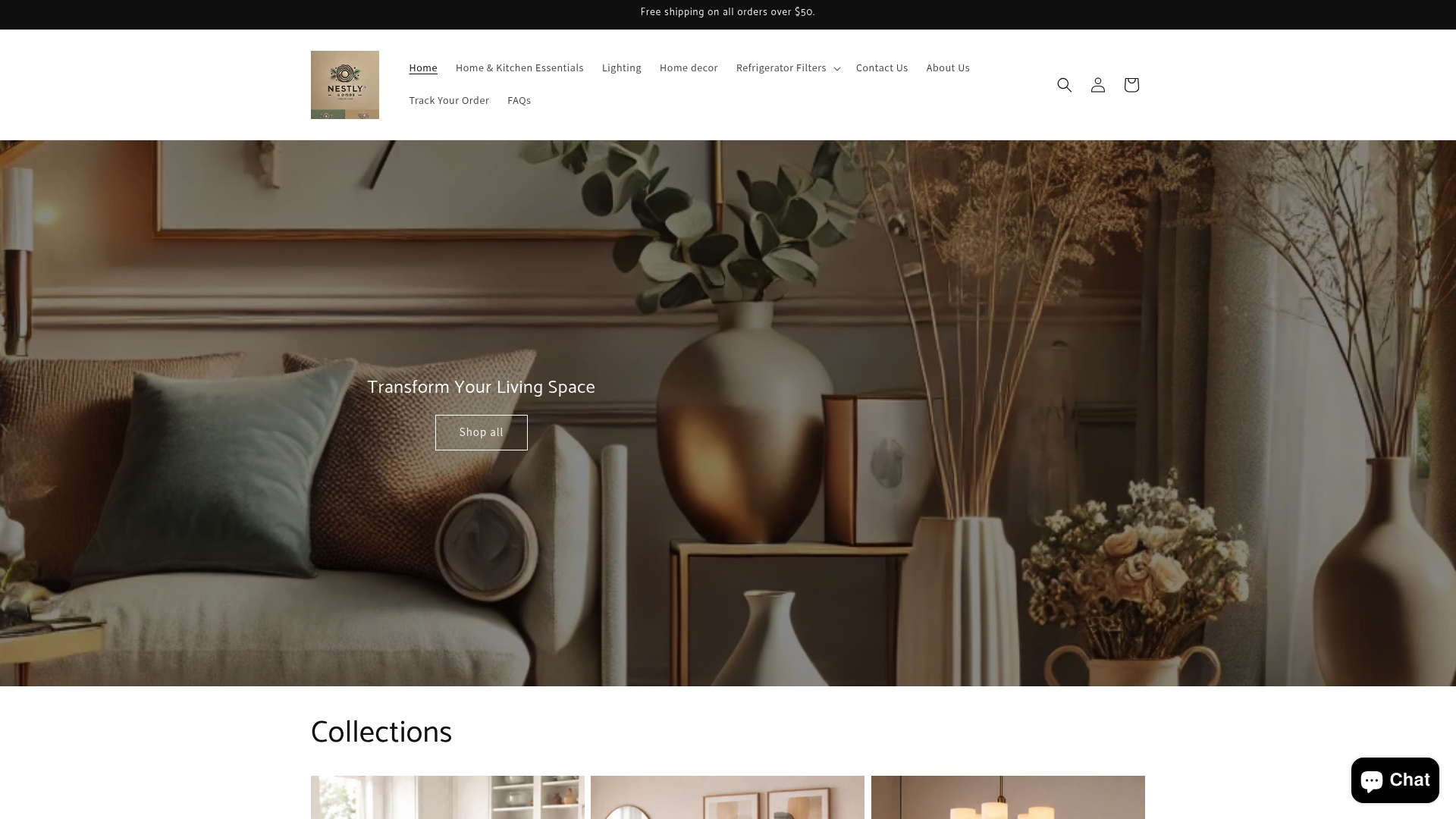
At New Way Ref, we offer a thoughtfully curated selection of modern furniture and home decor designed to fit real homes and real budgets. From sleek coffee tables and stylish sofas to eye-catching lighting fixtures and functional storage solutions, everything is chosen to help you build a space you’ll love. Shopping is simple, with free shipping on orders over $50 and easy browsing by category. Whether you’re starting from scratch or just adding the finishing touches, explore our full collection and find exactly what your space needs.
Frequently asked questions
What is the 80/20 rule in home decor?
The 80/20 rule means spending 80% of your budget on lasting anchor pieces like sofas and rugs, and 20% on trendy decorative items that are easy to swap out.
How do I choose a color palette for my living room?
Stick to 80% neutral tones for walls and large furniture, then use 20% accent colors in cushions, artwork, and accessories for a balanced and inviting look.
What is the best way to layer textures in home decor?
Aim for 60% smooth, 30% medium, and 10% rough textures across your furnishings and accessories to create visual interest and comfort without overwhelming the space.
How high should I hang artwork on the wall?
Hang art so the center sits at 57 inches from the floor, which puts it at a natural eye level and creates a comfortable, gallery-style viewing experience.
Recommended
- Home Decor Guide 2026: Transform Your Urban Space Easily – New Way Ref
- Step-by-Step Guide to Modern Home Decor for Urban Spaces – New Way Ref
- Step-by-step modern home upgrade guide for NYC living – New Way Ref
- 7 Essential Steps for a Smart Home Decor Checklist – New Way Ref
- Gothic home decorating guide: create dark mystical space – GothMarket