

TL;DR:
- Layered lighting with multiple dimmable zones enhances room size and comfort.
- Sculptural fixtures using natural materials create bold artistic statements.
- Smart, eco-friendly lighting supports well-being and energy savings in home design.
Lighting is one of the fastest-moving areas in home design, and keeping up without losing your personal style is a real challenge. The wrong fixture can flatten a room; the right one can make it feel twice as large. In 2026, the most exciting shifts are happening across layered designs, sculptural forms, natural materials, and smart technology. Whether you rent a studio or own a sprawling family home, these trends give you practical, stylish ways to transform your space. This guide breaks down what is actually worth your attention and how to put each idea to work.
Table of Contents
- Layered lighting takes center stage
- Sculptural statements and organic forms
- Natural, textured, and patterned materials
- Smart lighting and sustainable tech
- Why personal expression outshines strict trends
- Find lighting that fits your 2026 vision
- Frequently asked questions
Key Takeaways
| Point | Details |
|---|---|
| Layered lighting dominates | Combining ambient, task, and accent lights is the top trend and makes rooms more versatile. |
| Sculptural fixtures as art | Statement lights with bold, organic forms instantly elevate any space. |
| Natural materials add warmth | Alabaster, rattan, and textured finishes deliver softness and personality to interiors. |
| Smart lighting for wellness | Circadian-tuned LEDs and smart controls boost energy savings and everyday comfort. |
Layered lighting takes center stage
Now that you have an overview of why lighting matters, let us explore the leading trend reshaping every stylish space this year. Layered lighting is the dominant trend for 2026, combining ambient, task, and accent lights for flexibility and mood. It is not just about having multiple bulbs in a room. It is about building independent zones that you can dial up or down depending on the moment.
The mechanics are straightforward. A well-layered room uses between 3 and 6 independently dimmable lighting layers. Ambient light fills the room with a base level of brightness. Task lighting focuses on specific work areas like a kitchen counter or reading chair. Accent lighting draws the eye to artwork, shelving, or architectural features. Each layer serves a distinct purpose, and together they create depth and dimension that a single overhead fixture simply cannot match.
The payoff is measurable. Layered spaces feel 40% larger, and circadian lighting modes reduce eye strain by 37%. That means smarter lighting is not just an aesthetic upgrade. It actively supports your comfort and health.
Here is what a strong layered setup typically includes:
- Ambient layer: Recessed ceiling lights or a central pendant on a dimmer
- Task layer: Under-cabinet strips, desk lamps, or adjustable reading lights
- Accent layer: Wall sconces, picture lights, or LED strip lighting behind shelves
- Decorative layer: Statement pendants or table lamps that add visual interest
Warm white LEDs with a high CRI (color rendering index, meaning how accurately a light source reveals true colors) are the go-to choice for all layers. Look for bulbs rated at 90 CRI or above for even, glare-free light that flatters both people and interiors. Exploring modern lighting layers in more detail can help you plan your setup before you buy anything.
Pro Tip: Treat your living area, dining zone, and reading corner as separate lighting scenes. Control each independently with smart switches or dimmers so you can shift the mood in seconds without rearranging a single piece of furniture. Learning more about zonal lighting strategies will give you a solid framework to start from.
Sculptural statements and organic forms
Beyond layers, 2026’s biggest design statements are happening through sculptural and artistic lighting features. Sculptural lighting fixtures serve as art pieces and focal points, with organic forms and larger scales dominating the market this year.
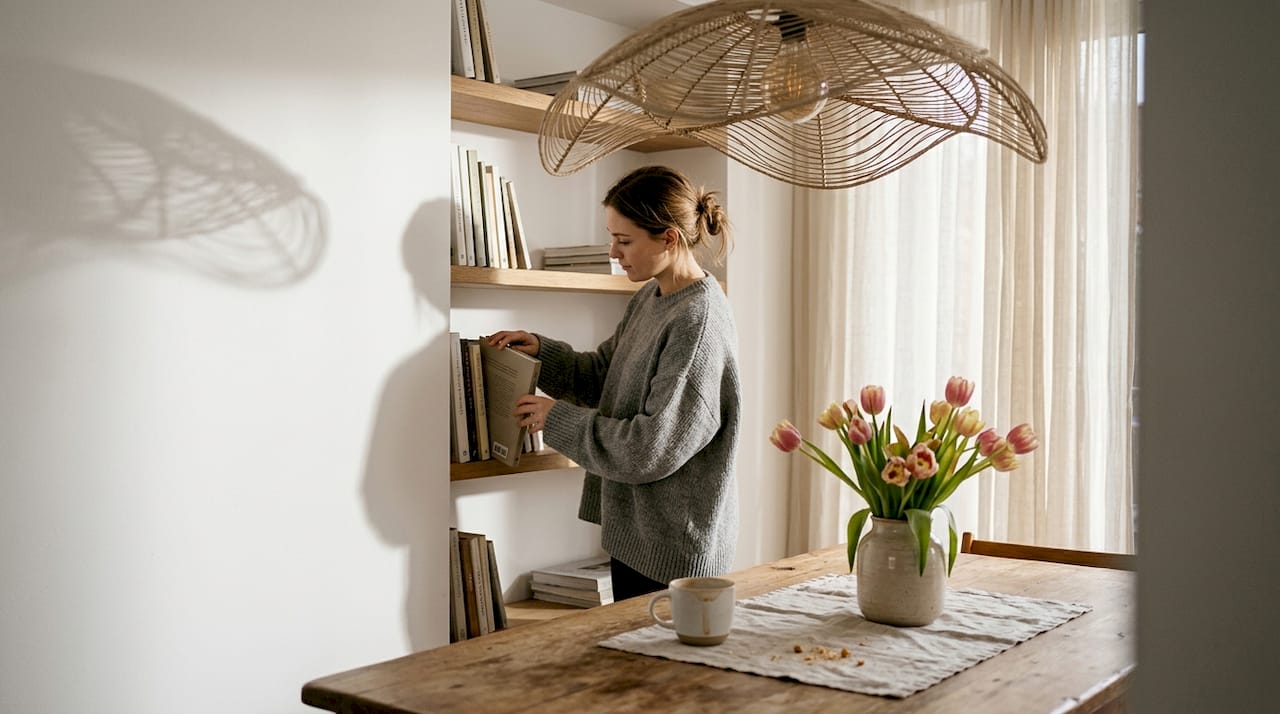
Think oversized pendants with flowing silhouettes, wall sconces that look hand-formed, and floor lamps with twisted or branching arms. These pieces do not just light a room. They start conversations. Asymmetrical layouts and finishes like verdigris patina (a blue-green surface treatment that mimics aged copper) add an artful, collected quality that feels personal rather than catalog-perfect.
The key to making bold fixtures work is contrast. Pair a dramatic sculptural pendant with subtle architectural lighting like trimless recessed fixtures (lights set flush with the ceiling so no visible trim ring shows). The restraint in the background lets the statement piece breathe and command attention without the room feeling chaotic.
“Lighting doubles as art in 2026. Choose forms that express your personality.”
You do not have to commit to an entirely new look either. Mixing one bold new fixture with vintage or minimalist pieces creates a layered, curated atmosphere that feels intentional. A ceramic table lamp from a local artisan next to a sleek metal floor lamp is a perfectly valid combination. The contrast is the point.
Here are some sculptural styles worth considering:
- Organic pendants: Irregular shapes in plaster, ceramic, or blown glass
- Branching chandeliers: Multi-arm designs that fill vertical space dramatically
- Wall-mounted sculptures: Sconces that double as three-dimensional wall art
- Oversized floor lamps: Tall, bold silhouettes that anchor a seating area
Browse statement lighting trends to see how these ideas translate into real room settings. If you are unsure where to start, a guide on selecting sculptural fixtures can help you match scale and style to your specific space.
Natural, textured, and patterned materials
While statement pieces grab attention, the materials your lighting is made from set the overall tone, tactility, and warmth. Natural and textured materials like alabaster, ceramic, plaster, wood, and rattan are popular for diffusing light softly, and that softness is exactly what modern interiors are chasing right now.
Alabaster (a translucent stone that glows warmly when lit from within) creates a luxurious, almost candlelit effect without any real flame. Rattan and woven shades cast intricate shadow patterns across walls and ceilings, adding texture to the entire room rather than just the fixture itself. Wood and plaster bring an earthy, grounded quality that pairs well with both minimalist and maximalist interiors.
Patterned and textured lampshades add personality and transform spaces without major changes. A simple base lamp with a patterned linen shade looks completely different from the same lamp with a plain white shade. That small swap can shift a room from generic to genuinely interesting.
These material choices also align with broader eco-chic and wellness goals. Natural materials tend to be more sustainably sourced, and the soft diffused light they produce is gentler on the eyes during long evenings at home. For more on how material choices affect the overall feel of a room, see lighting in home decor.
Practical ways to work with natural materials:
- Rattan pendants: Ideal over dining tables or in reading nooks
- Ceramic table lamps: Pair beautifully with linen or cotton shades
- Alabaster wall sconces: Create warm, ambient pools of light in hallways
- Woven floor lamps: Add texture and height to living room corners
Pro Tip: You do not need to replace an entire fixture to update your look. Swap out a traditional shade for a rattan or linen option and you will be surprised how much the character of a room changes. It is one of the fastest and most affordable ways to align your existing lighting with 2026 trends.
Smart lighting and sustainable tech
Design appeal is important, but 2026’s smartest lighting also addresses well-being, energy use, and intuitive control. Tunable white and circadian smart lighting mimic natural light cycles, with LEDs cutting energy use by 60 to 80% compared to traditional incandescent bulbs.
Circadian lighting (systems that automatically shift color temperature from cool, energizing daylight tones in the morning to warm, relaxing amber tones in the evening) is moving from offices and hospitals into everyday homes. The result is a living space that actively supports your body’s natural rhythm rather than working against it.
Smart controls add another layer of convenience. App-based dimming, voice commands, and scheduled scenes mean your lighting adapts to your routine without manual adjustment. You can also explore LED pool lighting options if you want to extend smart, energy-efficient lighting beyond your interior spaces.
Here is a quick comparison of the main options available this year:
| Feature | Basic LED | Circadian LED | Full smart system |
|---|---|---|---|
| Energy savings | Up to 80% | Up to 80% | Up to 80% |
| Color temperature control | Fixed | Automatic schedule | App or voice controlled |
| Dimming | Manual | Scheduled | Automated or manual |
| Eye strain reduction | Moderate | High (37% reduction) | High |
| Upfront cost | Low | Medium | Medium to high |
For a deeper look at how these systems work in practice, the smart lighting guide covers setup, compatibility, and what to prioritize. If budget is a concern, energy saving lighting ideas for apartments show how to get the benefits without overspending.
Key benefits to keep in mind:
- Mood support: Warm evening tones promote relaxation and better sleep
- Energy savings: LEDs significantly reduce monthly electricity costs
- Convenience: Automated schedules reduce the need for manual adjustments
- Longevity: LED bulbs last far longer than incandescent alternatives
Why personal expression outshines strict trends
After examining all the trend details, it is worth stepping back and asking what actually makes lighting feel right in a real home. Trends provide a useful framework, but the homes that feel genuinely comfortable are the ones where personal taste is layered in alongside the current ideas.
Chasing every headline trend at once is a fast way to end up with a space that feels assembled rather than lived in. A more effective approach is to pick one or two ideas that genuinely excite you and build from there. Maybe that is a sculptural pendant over your dining table paired with a personalized lighting workflow that accounts for how you actually use each room.
True comfort comes from blending ambient, task, and accent light in a way that meets your own daily needs, not from replicating a showroom. The fixtures you choose should work for your routines, your budget, and your aesthetic. Trends fade. A well-lit room that fits your life does not.
“Your lighting memories will come from the moments you create, not the trends you follow.”
Find lighting that fits your 2026 vision
Ready to put these ideas to work in your home? At New Way Ref, we have curated a selection of trend-forward lamps, fixtures, and accessories designed to match the styles covered in this guide.
From sculptural pendants and natural material table lamps to smart-compatible fixtures, our home lighting collections cover every taste and budget. Whether you are starting with one statement piece or planning a full layered setup, you will find options that bring 2026’s best ideas into your space without the guesswork. Free shipping on orders over $50 makes it even easier to get started today.
Frequently asked questions
How can I layer lighting in a small apartment?
Use 2 to 3 light sources, including a dimmable ceiling light, a floor or table lamp, and focused task lighting. Small rooms under 15 square meters benefit most from multi-functional fixtures that serve more than one purpose at once.
Are smart lighting systems really worth the investment?
Yes, especially over time. LEDs cut energy use by 60 to 80%, and automated settings add daily comfort that quickly makes the upfront cost feel worthwhile.
Which materials are best for a warm, cozy lighting effect?
Choose fixtures or shades in rattan, alabaster, ceramic, or linen. Natural and textured materials diffuse light softly, creating a warm and inviting glow rather than harsh brightness.
How do layered lighting schemes affect room size perception?
Layered spaces feel 40% larger thanks to dimensional light distribution that adds depth and reduces the flat, closed-in feeling that a single overhead light creates.
Recommended
- Modern Home Lighting: Enhancing Style and Functionality – New Way Ref
- Stylish lighting ideas for apartments in 2026 – New Way Ref
- What is smart lighting? A 2026 guide for modern homes – New Way Ref
- Kitchen decor trends 2026: Warm style & smart design – New Way Ref
- Master wall decor trends in 2026 for stylish homes