

Choosing home decor that truly enhances your living space while staying practical can feel overwhelming. You want a home that looks magazine-worthy but also works for your daily life, whether you’re hosting friends or simply unwinding after work. Modern decor solves this dilemma by merging clean aesthetics with smart functionality, creating spaces that inspire and serve you simultaneously. This article reveals how modern decor elevates your home’s style, maximizes usability in compact spaces, and helps you make confident choices that reflect your personality while staying budget conscious. You’ll discover actionable insights on furniture, lighting, and accessories that transform ordinary rooms into extraordinary living environments.
Table of Contents
- How Modern Decor Enhances Style And Aesthetics
- Functional Benefits: How Modern Decor Improves Space Usability
- Comparison Of Popular Modern Decor Elements And Their Benefits
- Making The Right Modern Decor Choices For Your Living Space
- Discover Modern Decor Essentials At New Way Ref
Key takeaways
| Point | Details |
|---|---|
| Style enhancement | Modern decor uses clean lines and neutral palettes to create visually calming, elegant spaces |
| Space optimization | Multifunctional furniture and smart layouts maximize usability in compact urban homes |
| Versatile elements | Lighting, furniture, and accessories work together to balance aesthetics with practical needs |
| Informed choices | Matching decor to your lifestyle and space constraints ensures long term satisfaction |
How modern decor enhances style and aesthetics
Modern decor is characterized by clean lines, neutral colors, and emphasis on simplicity to create spaces that feel both sophisticated and welcoming. This design philosophy strips away unnecessary ornamentation, letting each piece shine through intentional placement and form. The result is a home that feels curated rather than cluttered, where every element contributes to a cohesive visual story.
Neutral color palettes dominate modern interiors, featuring whites, grays, beiges, and blacks that serve as versatile canvases. These tones create a sense of openness and light, making rooms appear larger than their actual dimensions. You can layer textures through fabrics, woods, and metals to add depth without overwhelming the senses. Open floor plans complement this aesthetic by removing visual barriers, allowing natural light to flow freely and creating seamless transitions between living areas.
Furniture in modern spaces showcases sleek finishes and purposeful forms that prioritize both beauty and comfort. Think low-profile sofas with tapered legs, glass-topped coffee tables, and storage units with hidden compartments. These pieces eliminate visual weight while providing the functionality you need for everyday living. Geometric shapes and asymmetrical arrangements add visual interest without breaking the minimalist principle.
Lighting transforms modern decor from good to exceptional by highlighting architectural features and creating ambiance. Recessed fixtures, pendant lights, and floor lamps with sculptural designs serve dual purposes as functional necessities and artistic statements. Strategic placement emphasizes focal points like artwork or accent walls, while dimmers let you adjust mood throughout the day.
Key style elements in modern decor include:
- Minimalist furniture with clean geometric forms and neutral upholstery
- Statement lighting fixtures that double as sculptural art pieces
- Natural materials like wood, stone, and metal in matte or polished finishes
- Large windows or mirrors that amplify natural light and create spaciousness
- Accent pieces in bold colors or patterns used sparingly for visual punctuation
Pro Tip: Start with a neutral foundation for walls and large furniture, then introduce personality through easily changeable accessories like throw pillows, artwork, and decorative objects. This approach lets you refresh your style without major investments.
For deeper insights into achieving this aesthetic, explore modern home decor explained to understand the principles that make contemporary spaces work.
Functional benefits: how modern decor improves space usability
Modern decor enhances functionality through clever space planning and versatile furniture that adapts to your changing needs. Urban dwellers especially benefit from designs that squeeze maximum utility from limited square footage. Every piece serves a purpose, eliminating wasted space and creating efficient traffic flow throughout your home.
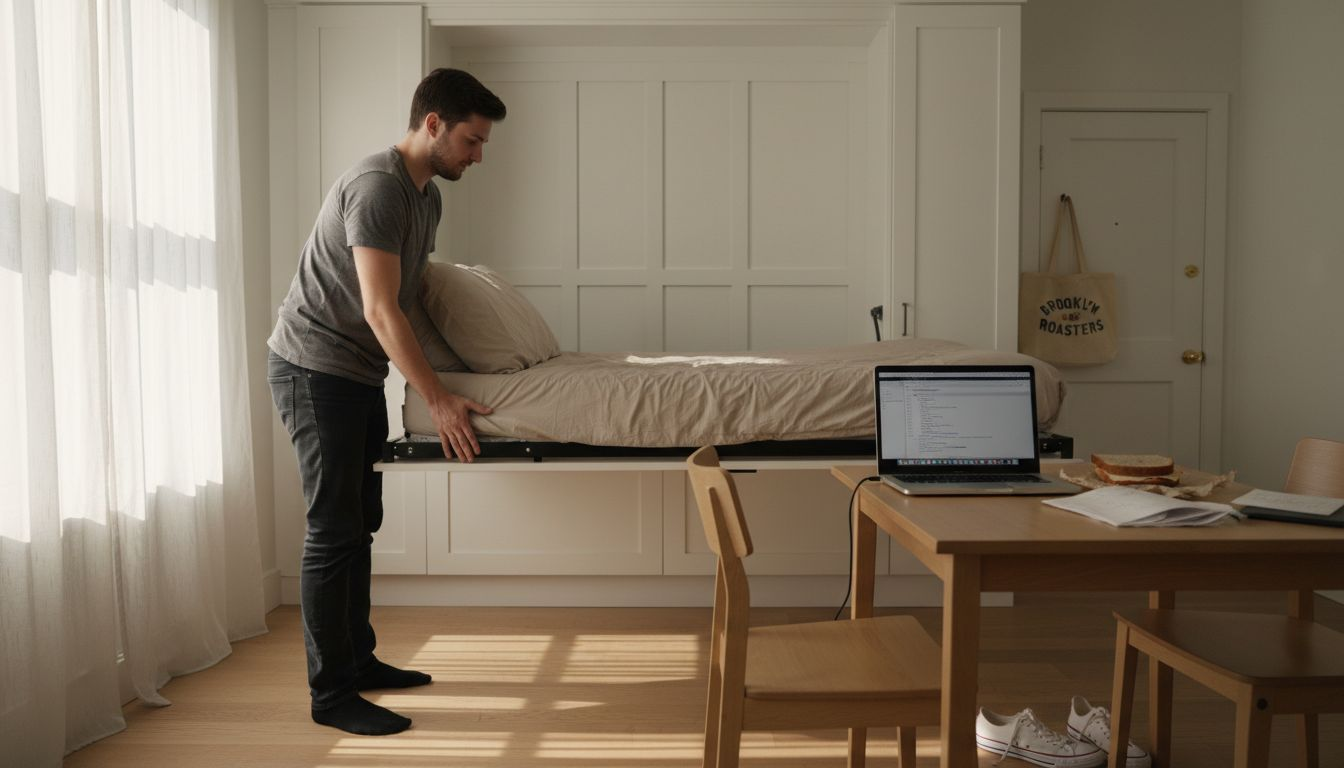
Multifunctional furniture revolutionizes how you use your living areas by serving multiple roles without sacrificing style. A storage ottoman provides seating, a footrest, and hidden compartment space for blankets or magazines. Sofa beds transform living rooms into guest accommodations instantly. Expandable dining tables accommodate intimate dinners or larger gatherings without permanently consuming floor space. These smart solutions let you maintain flexibility as your lifestyle evolves.
Organizational elements built into modern decor reduce visual clutter and increase daily efficiency. Floating shelves display favorite items while keeping surfaces clear. Built-in cabinetry conceals electronics and paperwork behind sleek facades. Modular storage systems adapt to changing needs, whether you’re organizing a growing book collection or children’s toys. This intentional organization creates mental clarity by eliminating the visual noise that accumulates in traditional spaces.
The table below compares popular space-saving furniture types and their practical benefits:
| Furniture Type | Primary Function | Space Saving Benefit | Best For |
|---|---|---|---|
| Murphy bed | Sleeping | Folds into wall when not in use | Studio apartments, home offices |
| Nesting tables | Surface area | Stack together to minimize footprint | Small living rooms, flexible entertaining |
| Storage ottoman | Seating, storage | Dual purpose eliminates need for separate pieces | Bedrooms, family rooms |
| Wall-mounted desk | Work surface | Folds up to free floor space | Compact home offices, multipurpose rooms |
Modern layouts also prioritize traffic flow and accessibility. Wide pathways between furniture prevent bottlenecks and create a sense of spaciousness. Strategic furniture placement defines zones within open floor plans without physical barriers. You can delineate a dining area from a living space using a console table or area rug, maintaining visual connection while establishing functional boundaries.
Pro Tip: Measure your space carefully before purchasing furniture, leaving at least 30 inches for major walkways and 18 inches between seating pieces to ensure comfortable movement and conversation.
Discover how these principles apply specifically to culinary spaces through kitchen decor trends 2026, where function meets contemporary design. Understanding modern home decor explained provides additional context for maximizing your entire living environment.
Comparison of popular modern decor elements and their benefits
Lighting, furniture, and accessories each play distinct roles in creating successful modern interiors, and understanding their unique contributions helps you prioritize investments. Each category offers specific advantages while working synergistically to complete your vision. Balancing these elements based on your space and lifestyle ensures cohesive results.
Furniture forms the foundation of your decor, providing essential comfort and establishing your room’s layout and flow. Quality pieces in modern styles typically feature durable construction, timeless silhouettes, and materials that age gracefully. The investment pays dividends through longevity and versatility, as neutral modern furniture adapts to evolving color schemes and accessories. However, furniture represents the largest budget commitment and requires careful spatial planning to avoid overcrowding.
Lighting transforms ambiance instantly while serving critical practical functions for tasks like reading, cooking, and grooming. Modern fixtures range from minimalist recessed options to dramatic chandeliers that serve as focal points. Layering ambient, task, and accent lighting creates depth and flexibility throughout the day. The relatively lower cost compared to furniture makes lighting an accessible way to refresh your space, though installation complexity varies by fixture type.
Accessories inject personality and warmth into modern spaces that might otherwise feel sterile. Artwork, throw pillows, plants, and decorative objects let you experiment with color, texture, and pattern without major commitments. These finishing touches complete the story your furniture and lighting begin, creating a lived-in feel that reflects your unique taste. Accessories offer the most flexibility for seasonal updates and style evolution at minimal cost.
The comparison table below summarizes key considerations:
| Element | Style Impact | Function Value | Cost Range | Integration Ease |
|---|---|---|---|---|
| Furniture | High, sets overall aesthetic | Essential for daily activities | $$$ | Moderate, requires planning |
| Lighting | High, controls mood and ambiance | Critical for visibility and tasks | $$ | Varies by installation needs |
| Accessories | Medium, adds personality | Low to medium | $ | Easy, highly flexible |
When choosing modern decor elements, consider these factors:
- Room size and natural light availability affect furniture scale and lighting needs
- Your daily activities determine which functional features matter most
- Existing architectural elements may limit or inspire certain design directions
- Maintenance requirements vary significantly between materials and finishes
- Personal style preferences should guide color and pattern choices in accessories
Learn more about optimizing each category through modern home lighting explained and modern home accessories guide for targeted advice on creating balanced, beautiful spaces.
Making the right modern decor choices for your living space
Selecting decor should factor in space, lifestyle, and desired atmosphere for best satisfaction and long term enjoyment. Your unique circumstances dictate which modern elements deserve priority and how to allocate your budget effectively. A systematic approach prevents costly mistakes and ensures your investments align with how you actually live.
Identify your style priorities by examining spaces that resonate with you emotionally. Create a mood board with images from magazines, websites, or social media that capture your ideal aesthetic. Notice patterns in color preferences, furniture styles, and overall ambiance. This visual reference keeps you focused when shopping and helps communicate your vision to partners or designers. Simultaneously assess your spatial needs by measuring rooms, noting architectural features, and identifying problem areas like awkward corners or insufficient storage.
Choose versatile, easy-to-maintain materials that withstand your lifestyle demands. Families with children or pets benefit from performance fabrics that resist stains and wear. Busy professionals appreciate surfaces that clean quickly without special treatments. Leather, microfiber, and sealed wood finishes offer durability without sacrificing modern aesthetics. Consider how materials age over time, as some develop attractive patinas while others show wear less gracefully.
Lighting and accessories function as mood enhancers that adapt your space to different activities and times of day. Install dimmers on overhead fixtures to transition from bright task lighting to soft ambient glow for entertaining. Use table and floor lamps to create pools of light that add warmth and dimension. Rotate accessories seasonally to refresh your space without purchasing new furniture, swapping heavy textiles for lighter fabrics in warmer months.
Budget smartly by focusing on key investment pieces that anchor your design. Allocate the largest portion to items you use daily, like sofas, beds, and dining tables. These foundational pieces should offer superior comfort and construction quality. Save on accent furniture and decorative items that you can upgrade later as budget allows. Shopping during sales or exploring quality secondhand options stretches your budget further.
Follow these numbered steps to evaluate and decide on decor purchases:
- Measure your space thoroughly and create a scaled floor plan to test furniture arrangements digitally or on paper before buying.
- Establish a realistic total budget and allocate percentages to furniture, lighting, and accessories based on your priorities.
- Research materials and construction quality for major pieces, reading reviews and visiting showrooms when possible to assess in person.
- Start with neutral foundational pieces that provide flexibility, then layer personality through changeable accessories and accent colors.
- Purchase gradually rather than furnishing entirely at once, living with pieces to understand what additional elements you truly need.
- Reassess after six months to identify gaps or items that don’t serve you well, making adjustments based on real experience.
Pro Tip: Photograph your space from multiple angles before shopping. Review these images while browsing to visualize how potential purchases fit your existing layout and color scheme, preventing impulse buys that clash with your overall vision.
Explore why use modern furniture enhance style function 2026 for additional guidance on selecting pieces that deliver lasting value and satisfaction.
Discover modern decor essentials at New Way Ref
Ready to transform your living space with modern decor that balances stunning aesthetics and practical functionality? New Way Ref offers a curated collection designed specifically for homeowners and young professionals seeking contemporary style without compromise. Our home decor collection features versatile furniture pieces, from sleek coffee tables to multifunctional storage solutions that maximize your space.
Explore our lighting collection to discover fixtures that illuminate your home beautifully while serving as sculptural focal points. Every product combines quality materials with thoughtful design, ensuring your investment delivers years of satisfaction. Free shipping on orders over $50 makes it easier than ever to refresh your space with pieces that reflect your personal style and support your daily life.
FAQ
What is the main benefit of modern decor?
Modern decor’s primary advantage lies in combining visual appeal with practical functionality, creating spaces that look sophisticated while supporting your daily activities efficiently. The minimalist aesthetic reduces visual clutter, promoting mental clarity and relaxation. Clean lines and neutral palettes provide a timeless foundation that adapts as your style evolves, protecting your investment over years.
How can modern decor improve small living spaces?
Multifunctional furniture like storage ottomans and Murphy beds maximize utility without consuming excessive floor space, essential for urban apartments and compact homes. The minimalist philosophy eliminates unnecessary items, creating an illusion of spaciousness through strategic furniture placement and uncluttered surfaces. Mirrors and light colors amplify natural light, further enhancing the perception of roominess.
What should I consider when selecting modern decor?
Match your decor choices to both your aesthetic preferences and practical lifestyle needs, ensuring pieces serve multiple purposes when space is limited. Prioritize versatile, easy-care materials that withstand your household’s activity level, whether that means stain-resistant fabrics or durable finishes. Balance visual appeal with functional requirements like adequate storage, comfortable seating, and appropriate lighting for your daily tasks.
Is modern furniture more expensive than traditional styles?
Pricing varies significantly based on materials, brand reputation, and construction quality rather than style category alone. Modern furniture often delivers superior long term value through timeless designs that remain relevant for decades and multifunctional features that eliminate the need for additional pieces. Quality modern pieces constructed from durable materials typically outlast trendy alternatives, making the initial investment more economical over time.
How do I start incorporating modern decor into my existing space?
Begin with small, reversible changes like updating lighting fixtures or adding modern accessories to test the aesthetic before major furniture investments. Replace one significant piece at a time, starting with items you use most frequently to immediately improve your daily experience. Gradually phase out traditional elements as budget allows, ensuring each new addition coordinates with your evolving vision rather than rushing to complete the transformation overnight.