

TL;DR:
- Modern furniture emphasizes purpose-driven design that enhances space efficiency, comfort, and durability. Its modular, multifunctional pieces adapt to evolving needs, offering long-term value and sustainability. Thoughtful selection of modern furniture transforms small spaces into organized, inviting, and functional homes for homeowners and renters alike.
Modern furniture is defined as purpose-driven design that prioritizes function, clean lines, and adaptability over decorative excess. The benefits of modern furniture go well beyond looks. They include measurable gains in space efficiency, daily comfort, material durability, and long-term cost savings. According to the 2026 Houzz renovation trends study, 39% of U.S. homeowners made furniture purchases during renovations, with 33% buying storage and organizational products. That number signals something clear: homeowners and renters are choosing furniture that works harder. Whether you live in a studio apartment or a four-bedroom house, the right modern pieces can transform how your space feels and functions every day.
1. How modern furniture improves space efficiency
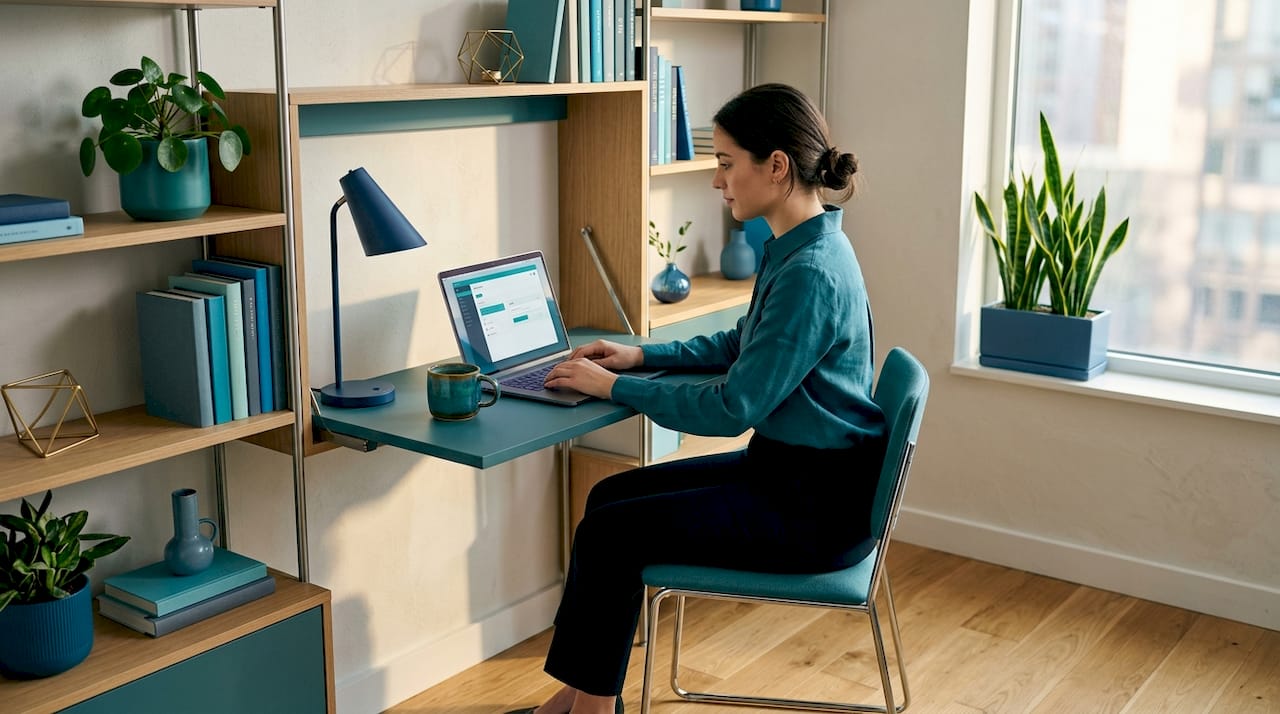
Space efficiency is the single most practical benefit of contemporary furniture design. Modular systems, in particular, are built to adapt to compact urban layouts without sacrificing usability. Research from IJRISS confirms that CAD-designed modular furniture achieves structural robustness with a maximum deformation of just 0.094 mm, meaning these pieces hold up under real daily use while fitting precisely into tight floor plans. That level of engineering precision is simply not available in traditional furniture categories.
Modular furniture also adapts to changing needs without requiring a full renovation. A sectional sofa can be reconfigured when you move. A storage unit can be expanded or reduced as your household grows or shrinks. This flexibility makes modern furniture a practical investment for renters especially, since you can take your layout with you.
- Look for pieces that serve two or more functions: ottomans with storage, beds with drawers, dining tables that fold flat
- Prioritize vertical storage to free up floor space in smaller rooms
- Choose furniture with legs rather than solid bases to create visual openness
Pro Tip: Before buying any piece for a small room, measure your floor plan and map out traffic flow. Furniture that blocks natural pathways makes a room feel smaller, regardless of its actual dimensions.
For more ideas on making the most of limited square footage, Newwayref has a detailed guide on space-saving furniture solutions worth reading before you shop.
2. Why functional design benefits your everyday life
The design principle “form follows function” sits at the core of modern furniture philosophy. It means every design decision, from the height of a chair to the depth of a shelf, is driven by how the piece will actually be used. The result is furniture that fits real life rather than forcing you to adapt around it.
Ergonomics is one direct expression of this principle. Modern seating is designed to support posture during long work sessions, casual reading, or social gatherings. The Seattle Times notes that thoughtful furniture layouts also reduce acoustic harshness in open-plan homes, with upholstered pieces and dense rugs absorbing sound that would otherwise bounce off hard surfaces. This matters more than most people realize. A room that sounds comfortable is a room you actually want to spend time in.
Modern furniture also supports multi-activity spaces, which is how most people actually live. A home office that doubles as a guest room, or a living area that handles both work calls and movie nights, needs furniture that transitions smoothly between uses.
- Choose sofas and chairs with removable, washable covers for households with children or pets
- Select desks with built-in cable management if you work from home
- Use furniture arrangement to define zones in open-plan spaces without building walls
Pro Tip: When selecting seating, sit in it for at least five minutes before buying. A chair that looks good but feels stiff after ten minutes will end up unused.
3. Modern materials and sustainability advantages
Modern furniture materials are selected for durability, low maintenance, and reduced environmental impact. Solid wood, powder-coated metal, tempered glass, and high-density foam each offer a longer service life than the particleboard and synthetic fabrics common in older furniture categories. Longer-lasting furniture means less frequent replacement, which is both economical and better for the environment.
The manufacturing process itself has also improved. Digital prototyping and CAD design reduce material waste compared to conventional methods, enabling higher customization without excess production. Less waste at the factory level means a lower carbon footprint per piece, which matters to a growing number of buyers.
| Feature | Traditional furniture | Modern furniture |
|---|---|---|
| Primary materials | Particleboard, synthetic fabric | Solid wood, metal, tempered glass |
| Maintenance | Prone to warping, staining | Easy to clean, moisture-resistant |
| Lifespan | 5 to 10 years average | 15 to 25 years with proper care |
| Environmental impact | Higher waste in production | Reduced waste via digital design |
| Customization | Limited factory options | Modular and configurable by design |
Modern materials are also easier to clean. Metal frames, lacquered wood, and performance fabrics resist stains and can be wiped down quickly. For households with children, pets, or high foot traffic, that ease of maintenance is a genuine daily advantage.
4. How modern furniture enhances home aesthetics
Modern furniture design creates spaces that feel calm, ordered, and personal without requiring a decorator’s budget. The midcentury modern resurgence reflects a documented psychological benefit: visual clarity and ordered forms provide emotional grounding. When your home feels organized and intentional, it affects how you feel in it.
The stereotype of cold, stark modern interiors is outdated. The Seattle Times reports that wood, lighting, and texture are now central to contemporary home design, adding warmth and human scale to clean-lined spaces. A walnut coffee table, a linen sofa, and a warm pendant light create a modern room that feels genuinely inviting.
Modern furniture also works across a wide range of decor styles, which gives you flexibility as your taste evolves:
- Pair minimalist furniture with bold art or textured rugs for contrast
- Use natural wood tones to warm up rooms with white or gray walls
- Mix metal accents with soft upholstery to balance industrial and residential feels
- Layer lighting at different heights to add depth to a simply furnished room
The benefits of minimalist furniture extend beyond aesthetics. Fewer pieces, chosen carefully, mean less visual noise and easier cleaning. A room with ten well-chosen items feels more spacious than one crowded with twenty average ones.
Newwayref’s guide on style and function covers how to combine these elements practically for different room types.
5. The economic case for investing in modern furniture
Modern furniture makes financial sense over a multi-year horizon. 54% of U.S. homeowners renovated in 2025 with a focus on adapting their homes for long-term living rather than moving. The median planned spend for 2026 renovations is $15,000, down from prior years, which signals a shift toward smarter, more targeted purchases rather than full overhauls. Multifunctional modern furniture fits directly into that strategy.
A well-chosen modular sofa or expandable dining table can serve your household through multiple life stages: a growing family, a home office transition, or a downsizing move. That adaptability reduces the need for repeated purchases. Buying one quality piece that lasts 20 years costs less than replacing a cheaper version three times over.
Customization options also extend the life of modern furniture. Many manufacturers offer replacement cushions, interchangeable legs, and modular add-ons that let you update a piece without replacing it entirely. This is a significant advantage over traditional furniture, which typically requires full replacement when it wears or goes out of style.
- Invest in high-use pieces first: sofa, bed, and primary seating
- Choose neutral base colors that work across multiple decor phases
- Buy modular systems that can be expanded rather than replaced
Pro Tip: Allocate roughly 60% of your furniture budget to the pieces you use most. A quality sofa and bed will affect your daily comfort far more than a decorative accent table.
For renters specifically, modern furniture’s portability and modularity mean your investment travels with you. You are not locked into a space. You are building a collection that works wherever you live.
Key takeaways
Modern furniture delivers measurable advantages in space use, daily function, material quality, aesthetics, and long-term value, making it the most practical choice for homeowners and renters in 2026.
| Point | Details |
|---|---|
| Space efficiency | Modular, CAD-designed furniture adapts to small spaces with structural precision. |
| Functional design | Form-follows-function principles improve comfort, ergonomics, and multi-use flexibility. |
| Material durability | Solid wood, metal, and glass outperform traditional particleboard in lifespan and maintenance. |
| Aesthetic grounding | Clean lines and natural textures create calm, organized spaces with emotional benefits. |
| Long-term value | Multifunctional and modular pieces reduce replacement costs across multiple life stages. |
Why I think most people underestimate modern furniture
People often treat furniture as a background decision, something to sort out after the bigger choices are made. That is a mistake I have seen play out in dozens of homes. The furniture defines how a space actually functions, not the paint color or the light fixtures.
What strikes me most about modern furniture is how honest it is. A piece either works for your life or it does not. There is no ornamental excess to hide behind. When you choose a sofa that fits your room, supports your posture, and cleans up easily, you feel that decision every single day. When you choose one that looks impressive in a showroom but crowds your floor plan, you feel that too.
The emotional grounding that comes from visual clarity in a well-furnished room is real. It is not a marketing claim. Renters especially benefit from this because they cannot change the walls or the floors. The furniture is the space. Choosing it thoughtfully is one of the highest-return decisions you can make in a home.
My practical advice: start with function, then layer in personality. Get the sofa that fits the room and supports your back. Then add the rug, the art, and the lighting that make it yours. That sequence works every time.
— Enn
Transform your space with Newwayref
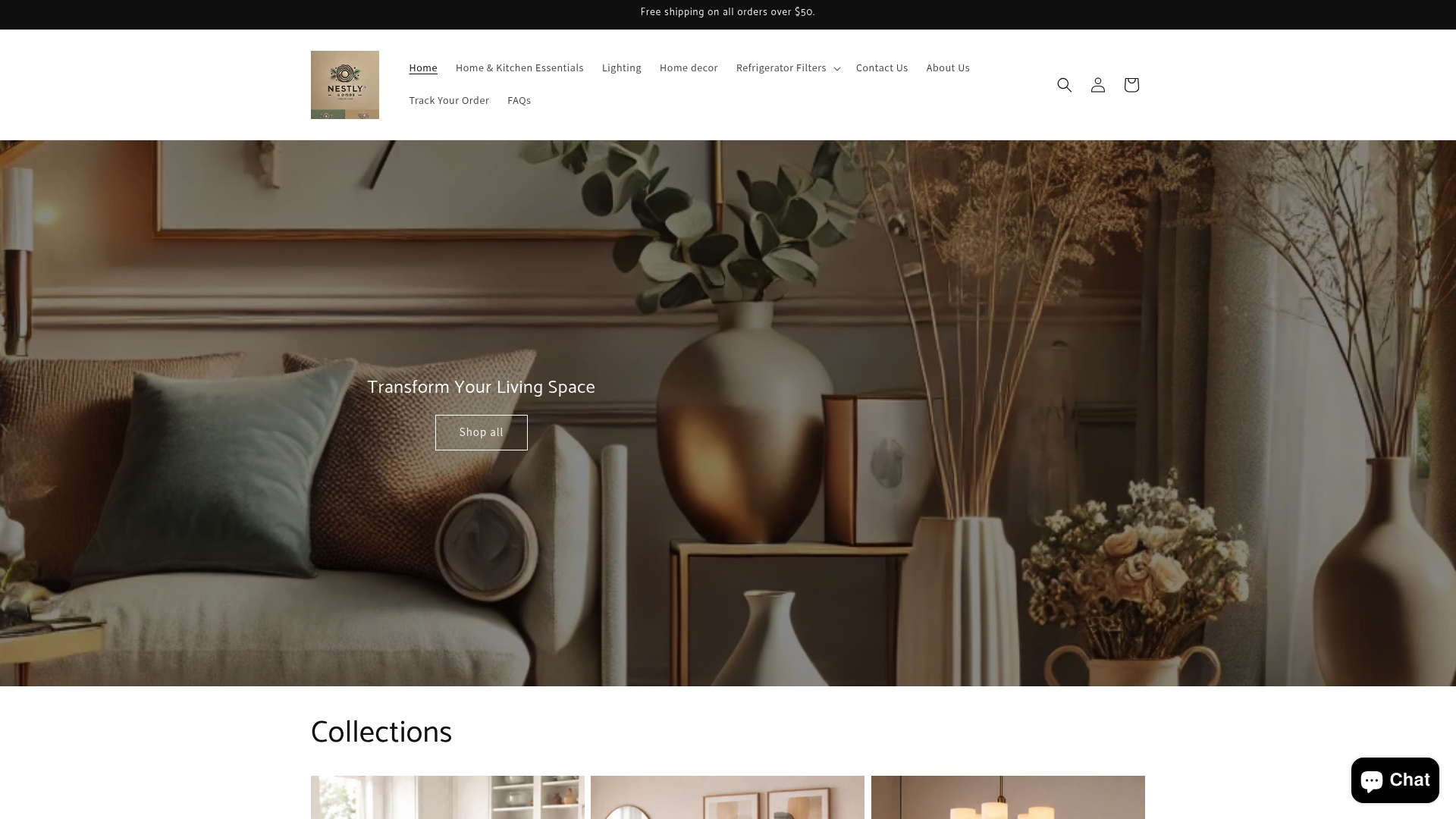
Newwayref offers a thoughtfully curated collection of modern furniture designed for real homes and real budgets. From modular sofas and coffee tables to shoe cabinets and lighting fixtures, every product is selected for both style and daily function. Whether you are furnishing a compact apartment or refreshing a family home, Newwayref makes it easy to find pieces that work together and last. Free shipping is available on orders over $50, and the product range covers everything from living room staples to bedroom storage. Browse the full collection at Newwayref and find furniture that fits your space and your life.
FAQ
What are the main benefits of modern furniture?
Modern furniture offers space efficiency, functional design, durable materials, and long-term cost savings. Its modular and multifunctional nature makes it especially practical for homeowners and renters in compact or changing living situations.
Is modern furniture a good choice for small apartments?
Modern furniture is one of the best choices for small apartments. CAD-designed modular systems are built specifically for compact spaces, offering structural reliability and the flexibility to reconfigure as your needs change.
Does modern furniture have to look cold or minimal?
Modern furniture does not have to feel stark. Contemporary design now incorporates natural wood, warm textiles, and layered lighting to create spaces that feel both clean and inviting, as noted by design coverage in the Seattle Times.
How does modern furniture support long-term home adaptability?
Modern furniture supports long-term living by offering modular configurations, replacement parts, and multifunctional designs that adapt to new household needs without requiring full redecoration or costly renovations.
Why is modern furniture considered more sustainable?
Digital design and CAD prototyping reduce material waste in modern furniture manufacturing compared to conventional methods. Combined with longer product lifespans from higher-quality materials, modern furniture has a lower environmental impact over time.