

TL;DR:
- Bohemian decor emphasizes personal storytelling, cultural influences, and individuality over perfection.
- Key features include layered textiles, natural materials, globally inspired prints, and meaningful collected items.
- Achieving authentic boho involves intentional layering, personal artifacts, plants, and evolving spaces over time.
Bohemian decor gets misunderstood constantly. Many people assume it simply means throwing together colorful pillows, mismatched rugs, and random trinkets from a flea market. But that reading barely scratches the surface. True bohemian style is rooted in personal storytelling, cultural curiosity, and a genuine rejection of cookie-cutter interiors. It rewards individuality over perfection. This article breaks down where the style comes from, what makes a space authentically boho, how it compares to other popular aesthetics, and exactly how you can bring that layered, artistic energy into your own home, whether you rent a studio apartment or own a four-bedroom house.
Table of Contents
- The origins and philosophy of bohemian decor
- Key characteristics and features of bohemian interiors
- How bohemian decor compares to other popular styles
- Practical steps to create a bohemian-inspired space
- Bohemian decor: What most guides miss
- Bring bohemian style home with New Way Ref
- Frequently asked questions
Key Takeaways
| Point | Details |
|---|---|
| Rooted in self-expression | Bohemian decor celebrates individuality, creativity, and personal storytelling in every space. |
| Layered textures and colors | Mixing textiles, patterns, and vibrant hues creates the signature boho look. |
| Accessible and personal | You can achieve bohemian style on any budget with thrifted, handmade, and curated accessories. |
| Intentional blending | Bohemian decor pairs well with other styles when unified by color, motif, or texture. |
The origins and philosophy of bohemian decor
Bohemian decor did not emerge from a design firm or a magazine trend report. It grew out of a 19th-century counterculture movement among artists, writers, and travelers who rejected the rigid, formal interiors of their era. These were people who collected objects from their journeys, displayed handmade crafts alongside fine art, and refused to follow a single rulebook. Their homes looked lived-in, layered, and deeply personal.
The word “bohemian” itself originally referred to the Romani people of Bohemia in Central Europe, who were romanticized in Western culture as free-spirited wanderers. Over time, the term expanded to describe anyone living outside mainstream conventions, especially in creative communities. That spirit of freedom and self-expression became the foundation of bohemian design as we recognize it today.
At its core, bohemian philosophy values creativity, individuality, and global influence. A boho home tells a story. Every object has a reason for being there, whether it is a hand-painted ceramic picked up at a market abroad or a vintage lamp inherited from a grandparent. The space evolves as the person evolves. It is never truly finished.
In modern homes, these values show up as layered textiles, curated collections of travel souvenirs, plants in unexpected corners, and a fearless mix of old and new. Imperfection is not a flaw in bohemian design. It is the point.
“Bohemian style is less about following trends and more about creating a home that reflects who you are and where you’ve been.” — Architectural Digest
Before going further, it helps to clear up a few common misconceptions about what boho actually means:
- It is not just “messy” or “cluttered” — intentional layering is very different from disorganization
- It does not require a big budget — thrifted and handmade items are central to the style
- It is not exclusively about bright colors — earthy, muted palettes are equally valid
- It does not mean copying a Pinterest board — authentic boho reflects your personal history
- It is not limited to any one culture — it draws from many global traditions simultaneously
Understanding these roots helps you approach the style with intention rather than imitation.
Key characteristics and features of bohemian interiors
Understanding the philosophy is the foundation. Now, let’s break down the look and feel of bohemian interiors by their core elements.
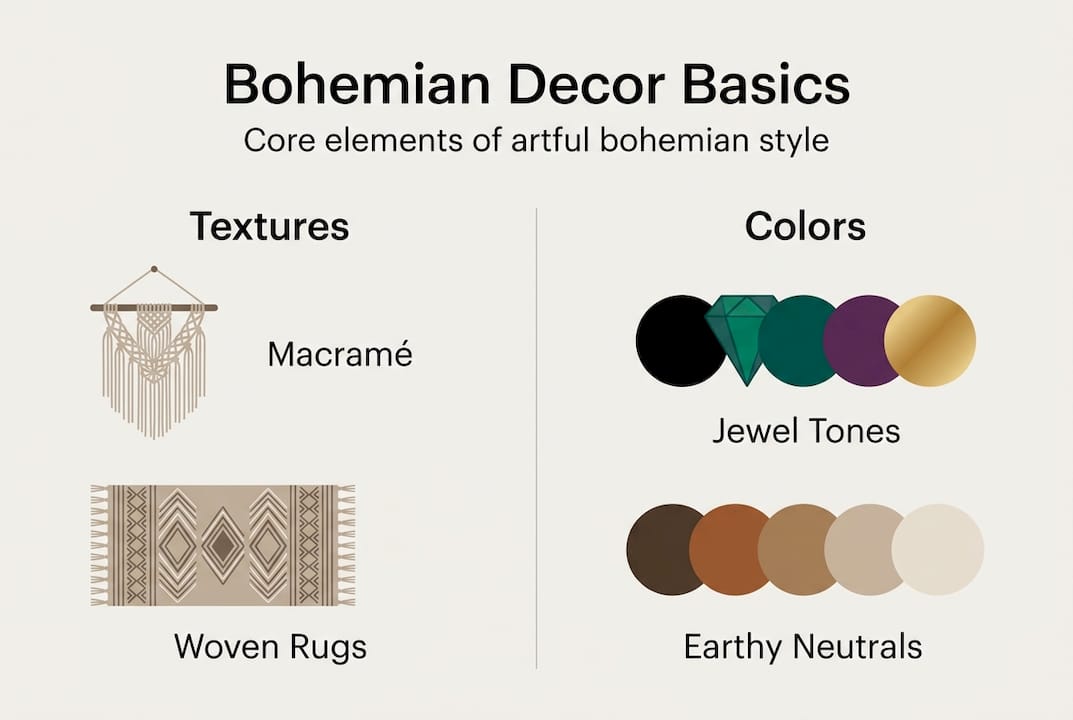
Texture is arguably the most defining feature of a boho space. Think macramé wall hangings, woven jute rugs, raw linen curtains, and chunky knit throws. These materials add warmth and depth without requiring expensive furniture. Natural wood, rattan, and bamboo are also staples, grounding the space in organic, earthy energy.
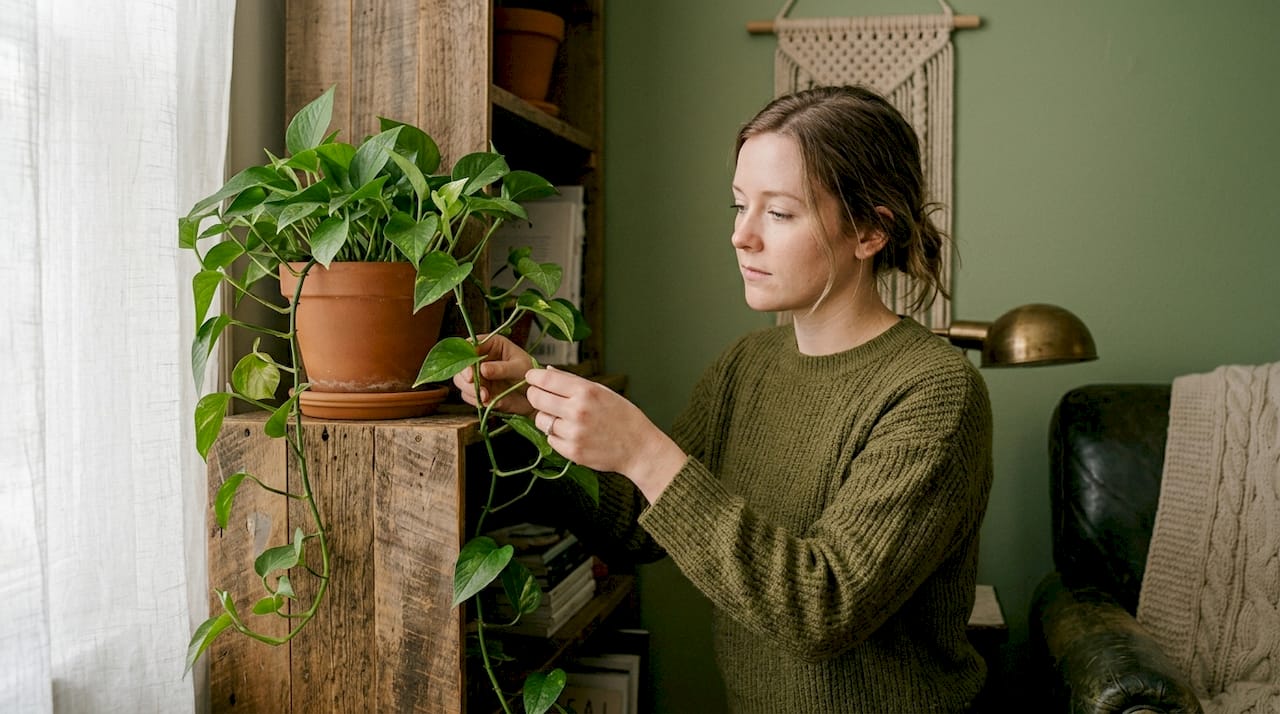
Color in bohemian interiors tends to be rich and layered. Jewel tones like deep teal, burnt orange, and magenta often appear alongside earthy neutrals. Globally inspired prints, including ikat, kilim, and batik patterns, add visual complexity. The key is layering these colors and patterns so they feel collected over time, not coordinated in a single shopping trip.
Bohemian spaces also blend old and new without hesitation. A vintage rattan chair sits comfortably next to a modern floor lamp. A handwoven tapestry hangs above a sleek, low-profile sofa. This mix is what gives boho spaces their signature sense of depth. You can explore how accessories for bohemian style play a major role in tying these elements together.
Here is a quick look at signature boho features and their effect on a room’s ambiance:
| Feature | Effect on ambiance |
|---|---|
| Layered textiles | Adds warmth and coziness |
| Natural materials | Creates an organic, grounded feel |
| Globally inspired prints | Brings visual energy and cultural richness |
| Vintage or handmade items | Adds personality and a sense of history |
| Indoor plants | Softens the space and adds life |
| Ambient lighting | Creates a relaxed, inviting mood |
Authentic boho spaces commonly include:
- Macramé or fiber art on walls
- Layered area rugs in complementary patterns
- A gallery wall mixing photography, paintings, and prints
- Low seating like floor cushions or poufs
- Candles, lanterns, or string lights for soft lighting
- Plants in terracotta, wicker, or ceramic pots
For reference, bohemian decorating ideas from House Beautiful show how professional designers balance these elements without overwhelming a room.
Pro Tip: When layering patterns, choose pieces that share at least one color in common. This creates visual cohesion without making the space feel chaotic. Start with a neutral base rug, then add a patterned throw, and build from there.
How bohemian decor compares to other popular styles
Now that the major elements of bohemian style are clear, it helps to see how it stacks up with or stands apart from popular alternatives.
Several styles often get confused with bohemian:
- Eclectic — mixes styles intentionally but tends to be more structured
- Rustic — focuses on raw, natural materials but lacks boho’s global influences
- Mid-century modern — clean lines and retro forms, very different from boho’s layered softness
- Maximalist — shares the love of abundance but is more about visual drama than personal storytelling
Here is a side-by-side comparison of bohemian against three popular alternatives:
| Style | Core philosophy | Color palette | Key materials | Rules |
|---|---|---|---|---|
| Bohemian | Personal storytelling, freedom | Rich, layered, earthy | Natural fibers, vintage, handmade | Very few |
| Eclectic | Curated contrast | Varies widely | Mix of everything | Moderate structure |
| Minimalism | Less is more | Neutral, monochrome | Clean surfaces, simple forms | Strict |
| Farmhouse | Comfort and nostalgia | Whites, creams, wood tones | Shiplap, linen, galvanized metal | Moderate |
Blending styles can absolutely work, and bohemian is one of the most forgiving styles to mix. The trick is doing it intentionally. If you love the clean lines of modern vs bohemian decor, you can pair a streamlined sofa with boho textiles and plants to get the best of both worlds.
The most important distinction is this: bohemian style is built on layered storytelling. Other styles often follow a visual formula. Boho follows a personal one. That is why no two authentic bohemian homes look exactly alike. For a broader look at how boho fits into the wider landscape, other interior design styles are worth exploring to find what resonates most with you.
Practical steps to create a bohemian-inspired space
With a strong grasp on the differences and features, it is time to move from inspiration to real change in your home.
-
Assess your space and start with a neutral base. Clear the room and identify what you already own that feels personal or meaningful. A neutral wall color and a simple base rug give you a clean canvas to layer on top of.
-
Layer fabrics and textiles. Add throw blankets, floor cushions, and curtains in complementary textures. Linen, cotton, and woven materials work well together. Do not match everything exactly.
-
Choose one or two statement pieces. A bold macramé wall hanging, a vintage rattan chair, or an oversized patterned rug can anchor the entire room. Build around these focal points.
-
Add personal artifacts and collected items. Display travel souvenirs, inherited objects, or handmade crafts. These are the pieces that make your space feel genuinely yours rather than staged.
-
Incorporate plants and ambient lighting. Trailing pothos, fiddle-leaf figs, or succulents in ceramic pots add life. Swap harsh overhead lighting for floor lamps, candles, or string lights.
-
Refine and edit. Step back and remove anything that feels forced. Bohemian spaces feel collected, not crowded.
For small apartments, focus on vertical space. Wall-mounted macramé, hanging plants, and tall bookshelves draw the eye upward and make compact rooms feel more dynamic. Tips for styling your living room can help you adapt these ideas to your specific layout. If you are working on a larger transformation, urban home transformation tips offer practical guidance for modern spaces. And when it comes to mixing accessories without losing visual harmony, cohesive accessory mixing is a great resource.
Pro Tip: Thrift stores, estate sales, and online resale platforms are goldmines for authentic boho pieces. Look for handwoven textiles, ceramic vessels, and wooden items with natural imperfections. These thrifted and handmade items are central to the style and cost a fraction of retail prices.
Bohemian decor: What most guides miss
Most articles about bohemian decor focus on what to buy. That misses the point entirely. The real heart of boho is letting your space grow with you over time. A room that looks “done” from day one is rarely authentically bohemian. The style is meant to evolve as you collect, travel, create, and change.
We also see a lot of pressure around making spaces look Instagram-ready. But a perfectly curated boho room for social media often strips away the very thing that makes the style meaningful: personal history. The chipped ceramic mug you use as a planter matters more than the designer piece that photographs well.
True bohemian style is not reserved for people with large budgets or spacious homes. It thrives in small apartments, rental spaces, and mixed-family homes where every person contributes something to the visual story. The personalized interior transformation you create does not need to look like anyone else’s. It just needs to feel like yours.
Value what matters to you. That is the only rule boho actually insists on.
Bring bohemian style home with New Way Ref
Having explored the heart of bohemian decor, you might be ready to take the first step toward a more creative, layered home.
At New Way Ref, we offer a thoughtfully curated selection of furniture and home accessories that complement the bohemian aesthetic beautifully. From statement lighting and natural-material accents to versatile furniture pieces that anchor any layered space, our collection is designed to help you build a home that feels genuinely personal. Browse our unique home decor collection to find pieces that tell your story. With free shipping on orders over $50, starting your boho transformation has never been more accessible.
Frequently asked questions
What makes a space bohemian?
A bohemian space is defined by its layered textures and vibrant colors, along with a mix of globally inspired accessories that create an eclectic, artistic, and personal feel.
Can bohemian decor work in small apartments?
Yes, bohemian decor is flexible and adapts well to small footprints with creative layering, vertical displays, and well-chosen statement accessories.
Is bohemian decor expensive to achieve?
Not at all. Thrifted and handmade items are central to bohemian decor, making it one of the most budget-friendly styles to build over time.
How can I blend bohemian with other styles?
Blend bohemian with other decor by using a unifying element for balance, such as a shared color, texture, or motif that ties diverse pieces together into a harmonious look.
Recommended
- Home Decor Guide 2026: Transform Your Urban Space Easily – New Way Ref
- Modern Home Decor: Defining Style for Small Spaces – New Way Ref
- Top home decor ideas for young professionals: modern style – New Way Ref
- Smart Home Decor: Blending Style With Technology – New Way Ref
- Custom Wall Decor Guide: Create Personalized Art at Home