

TL;DR:
- Choosing an interior style depends on function, comfort, light, color, and lifestyle needs.
- Popular styles include Scandinavian, Farmhouse, Bohemian, Mid-Century Modern, and Coastal, each with distinct traits.
- Mixing styles with intentionality creates warm, layered, and more personalized homes.
Picking an interior decor style is one of the most personal decisions you’ll make for your home. With dozens of directions to choose from, ranging from sleek minimalism to layered bohemian warmth, it’s easy to feel stuck before you even start. But choosing a style doesn’t have to be complicated. This article breaks down the most popular decor styles, shows you how to evaluate which one fits your life, and gives you a clear framework for making confident decisions. Whether you’re furnishing a studio apartment or refreshing a family home, you’ll walk away with practical direction and real inspiration.
Table of Contents
- How to evaluate and select your ideal decor style
- Top interior decor styles with real-world examples
- How these decor styles compare: features and best-fit situations
- Situational recommendations: picking for your space and lifestyle
- A fresh perspective: why mixing styles creates the most inviting homes
- Bring your decor vision to life with curated home style
- Frequently asked questions
Key Takeaways
| Point | Details |
|---|---|
| Function-first style choice | Choose a style that fits how you use your space, not just what looks good. |
| Blend for harmony | Mix styles confidently by repeating colors or textures for a cohesive feel. |
| Popular styles spotlighted | Scandinavian, Farmhouse, Bohemian, Mid-Century Modern, and Coastal each offer unique traits for different lifestyles. |
| Comparison aids decision | A side-by-side features table makes it easy to identify your best-fit aesthetic. |
| Personal touches matter | Spaces feel inviting when you combine styles with your personal story and needs in mind. |
How to evaluate and select your ideal decor style
Before you fall in love with a specific aesthetic, it helps to understand what you actually need from your space. Choosing a style without a clear framework often leads to rooms that look pulled from a catalog but feel nothing like home.
Start by asking yourself these key questions:
- Function first. How do you use this room? A home office needs different energy than a living room meant for relaxing.
- Comfort level. Do you prefer plush, sink-in furniture or clean, structured pieces?
- Light conditions. Dark rooms benefit from lighter palettes and reflective surfaces. Bright rooms can handle bolder, richer tones.
- Color preferences. Are you drawn to warm neutrals, cool grays, or saturated jewel tones?
- Lifestyle needs. Do you have kids, pets, or frequent guests? Some styles are far more forgiving than others.
One important distinction worth knowing early: modern and contemporary are not the same thing. Modern refers to a specific design era rooted in the early to mid-20th century, characterized by clean lines and minimal ornamentation. Contemporary refers to what’s trending right now, which means it’s always shifting. Knowing this helps you shop and communicate more clearly with anyone helping you design your space.
For personal style tips that go deeper into self-expression through decor, it’s worth exploring how your daily habits and preferences naturally point toward a style.
Also, don’t feel pressured to commit to just one look. Most people mix multiple styles without realizing it, and that’s perfectly fine. Warm, lived-in styles feel more inviting than cold minimalism, and the best rooms often blend comfort with intention.
Pro Tip: If you’re mixing styles, pick one unifying thread, such as a repeated color, a consistent wood tone, or a shared texture like linen or rattan. This creates visual harmony without forcing you into a rigid aesthetic box.
With a sense of what you want out of your space, let’s discover the most iconic interior decor styles you can use as inspiration.
Top interior decor styles with real-world examples
The variety of interior styles available today is broader than ever, but a handful of looks consistently dominate home design searches and inspire the most room transformations. Here’s a snapshot of the five most popular styles:
| Style | Key elements | Mood | Typical materials |
|---|---|---|---|
| Scandinavian | Minimal, functional, light | Calm, cozy | White walls, birch wood, linen |
| Farmhouse | Shiplap, vintage accents | Warm, welcoming | Reclaimed wood, cotton, iron |
| Bohemian | Layered textiles, plants | Free-spirited | Rattan, velvet, macramé |
| Mid-Century Modern | Tapered legs, organic shapes | Retro, sleek | Walnut, leather, molded plastic |
| Coastal | Breezy, light-filled | Relaxed, airy | Jute, rattan, linen, sea glass |
Scandinavian, Farmhouse, Bohemian, Mid-Century Modern, and Coastal are among the most recognized styles globally, each with distinct traits that make them easy to identify and adapt.
Here’s a closer look at each:
- Scandinavian: White walls, natural wood furniture, and cozy textiles define this look. Think a bright living room with a birch coffee table and chunky wool throw. Scandinavian is the most searched interior style globally, reflecting its universal appeal.
- Farmhouse: Shiplap walls, apron-front sinks, and vintage-inspired hardware give this style its signature charm. Best suited for kitchens, dining rooms, and entryways.
- Bohemian: Layered rugs, hanging plants, and an eclectic mix of patterns make Boho feel effortlessly personal. For a deeper look, our bohemian decor guide walks through how to pull it off without visual chaos.
- Mid-Century Modern: Clean silhouettes, tapered wooden legs, and a restrained color palette give this style a timeless quality. Our mid-century modern advice covers common furniture mistakes to avoid.
- Coastal: Light blues, sandy neutrals, and natural textures create a relaxed, beachy feel. See our coastal decor tips for room-by-room guidance.
One subtle but important distinction: Boho and Eclectic are often confused. Boho is looser and more free-form, while Eclectic is intentionally curated with a clear design point of view.
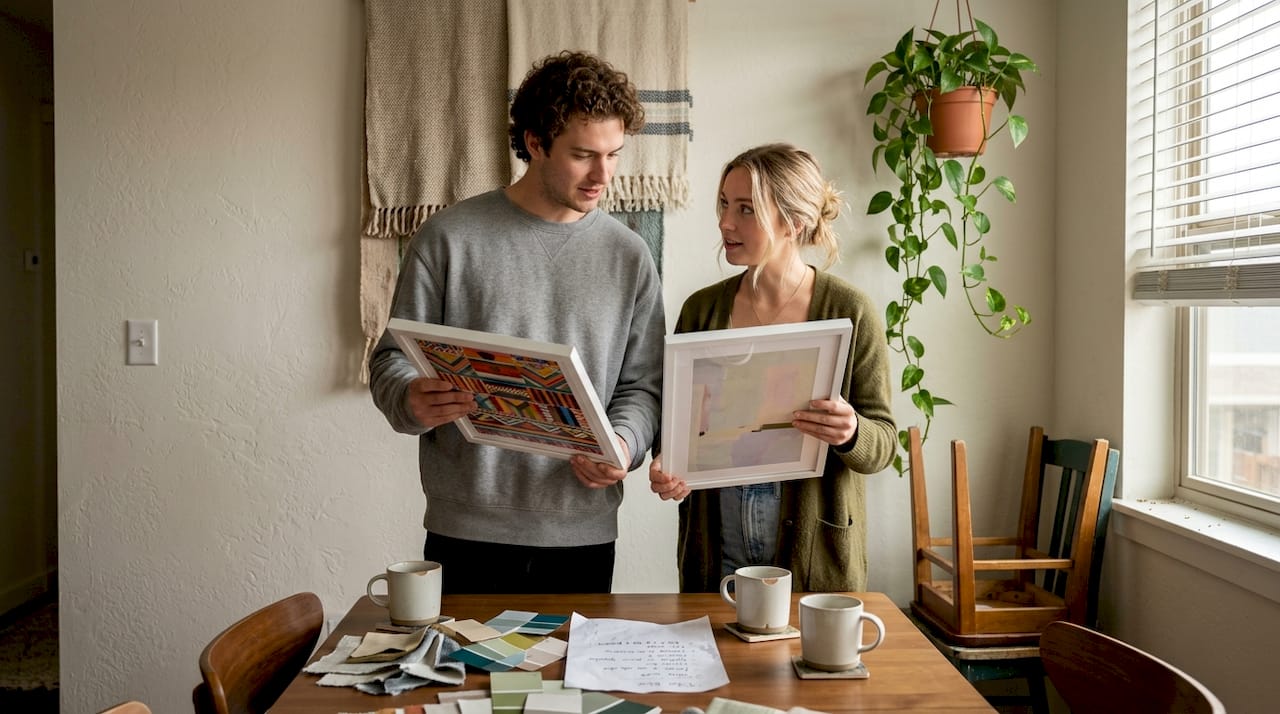
Now, let’s explore how these styles compare side-by-side, so you can choose one that suits your space and personality best.
How these decor styles compare: features and best-fit situations
Knowing what a style looks like is one thing. Knowing whether it actually works for your life is another. Here’s a practical comparison:
| Style | Natural light needed | Comfort level | Budget flexibility | Best rooms | Easiest to update |
|---|---|---|---|---|---|
| Scandinavian | High | Medium | High | Living room, bedroom | Yes |
| Farmhouse | Medium | High | Medium | Kitchen, dining | Moderate |
| Bohemian | Low to medium | Very high | Very high | Bedroom, studio | Yes |
| Mid-Century Modern | Medium | Medium | Low to medium | Living room, office | Moderate |
| Coastal | High | High | High | Living room, bathroom | Yes |
As interior design experts note, Eclectic is curated and intentional, while Boho is freer. Modern is rooted in a specific historical period, while Contemporary reflects what’s current. These distinctions matter when you’re shopping for pieces.
Who fits each style best?
- Scandinavian: Ideal for minimalists, young professionals, and renters who want a clean, adaptable look.
- Farmhouse: Perfect for families, pet owners, and anyone who values warmth over polish.
- Bohemian: Great for creatives, collectors, and people who love layering personal items.
- Mid-Century Modern: Suits design-conscious singles or couples who appreciate timeless form.
- Coastal: Works well for those near water or anyone craving a relaxed, vacation-like atmosphere.
For renters and urban dwellers, our urban home decor tips offer practical ideas for making any style work in a smaller footprint.
Pro Tip: You don’t need to spend a lot to achieve a high-end look. Faux shiplap panels, thrifted wood accents, and linen-look curtains can replicate expensive farmhouse or Scandi aesthetics at a fraction of the cost.
If you’re still undecided, here are some situational recommendations and combinations tailored for different lives and homes.
Situational recommendations: picking for your space and lifestyle
Your decor style should work with your life, not against it. Here’s a step-by-step approach based on your situation:
- Small apartments: Choose Scandinavian or Mid-Century Modern. Both prioritize function, use light colors to open up the space, and avoid visual clutter. Every piece should earn its place.
- Large family homes: Farmhouse and Coastal styles are forgiving and durable. Their natural materials age well and hide everyday wear better than sleek, lacquered surfaces.
- Shared living spaces: Go for a neutral base, such as warm white or greige, then let each person add personal accents. Bohemian layering works especially well here because it’s naturally inclusive of different tastes.
- Bold vs. subtle choices: If your room gets strong natural light, go bold with deep accent walls or richly textured furniture. Low-light rooms benefit from reflective surfaces, pale palettes, and warm-toned lighting.
“No matter the style you choose, the most inviting homes always include warm, personal touches that tell the story of the people who live there.” — Interior design perspective
Farmhouse style is especially welcoming with warm wood and neutral colors, making it one of the most accessible styles for families and first-time decorators alike.
For renters and those early in their careers, our home decor for young professionals guide offers targeted advice on building a stylish space on a realistic budget.
With these actionable insights, you have the context to make smart, stylish decisions, or to try mixing elements in your own way.
A fresh perspective: why mixing styles creates the most inviting homes
Here’s something most decor articles won’t tell you: strictly following one style rarely produces the most livable or memorable homes. The rooms that stop you in your tracks, the ones that feel genuinely warm and layered, almost always blend elements from multiple aesthetics.
Think about it. A Scandinavian base with a few Bohemian textiles and a Mid-Century lamp creates something far more interesting than a room pulled straight from a single mood board. The key is intentionality. You’re not throwing things together randomly. You’re choosing pieces that share a color story, a texture family, or a tonal range.
Trying vintage pieces alongside new furniture is one of the most effective ways to add depth and character. A worn leather chair in a contemporary room, or a handmade ceramic vase on a sleek shelf, signals that real people live there.
Personalizing your decor is not about breaking rules. It’s about understanding them well enough to bend them with purpose. The most stylish homes reflect the people inside them, not just a trend cycle.
Bring your decor vision to life with curated home style
Finding your style is just the first step. The next is bringing it home with the right pieces. Updating even a few key items, like a statement coffee table, a new lighting fixture, or a set of coordinated accent pieces, can completely shift the feel of a room.
Our home decor collection features thoughtfully curated pieces across styles, from clean Scandinavian-inspired furniture to warm, textured accents that suit a Farmhouse or Coastal look. Whether you’re starting fresh or layering in new elements, you’ll find options that fit your vision and your budget. Shop stylish pieces and start transforming your space today, with free shipping on orders over $50.
Frequently asked questions
What is the difference between contemporary and modern decor styles?
Modern decor refers to a specific historical design era with clean lines and minimal ornamentation, while contemporary style reflects whatever is trending right now and continues to evolve.
Can you combine interior decor styles in one home?
Yes, and it often produces the most interesting results. Blend styles by repeating a key color, texture, or material across different pieces to maintain visual harmony throughout the space.
What makes Scandinavian style unique?
Scandinavian interiors use bright, functional spaces with natural wood, white walls, and cozy textiles like linen and wool, originally designed to bring warmth during long Nordic winters.
Which decor style is best for a relaxed, beachy feel?
Coastal style is the top choice, using light blues, sandy neutrals, and natural materials like jute, rattan, and linen to create an airy, relaxed atmosphere.
How do I pick a decor style for a small apartment?
Focus on functional styles with clean lines. Scandinavian or Mid-Century Modern both work well in compact spaces because they prioritize light, open layouts, and purposeful furniture choices.
Recommended
- Top home decor ideas for young professionals: modern style – New Way Ref
- How personal style transforms your interiors in 2026 – New Way Ref
- Home Decor Guide 2026: Transform Your Urban Space Easily – New Way Ref
- Modern Home Decor: Defining Style for Small Spaces – New Way Ref
- Phoenix, AZ Landscape Design: Unique Companies’ Expert Guide