

TL;DR:
- Creating cozy ambiance involves warm lighting, layered sources, and tactile textures that evoke safety and relaxation. Rearranging furniture to create intimate groupings and adding natural materials enhances the sense of enclosure and warmth, while scents and sounds complete the sensory experience. Achieving coziness relies on sensory signals and simple adjustments rather than expensive decor or renovations.
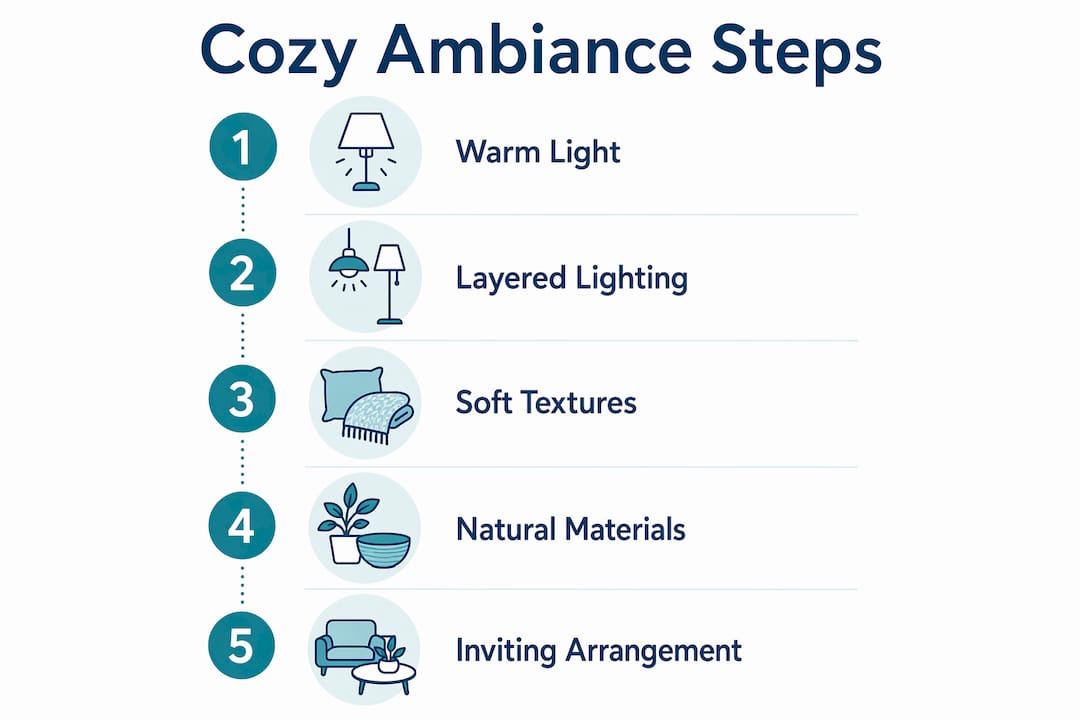
Cozy ambiance is defined as a sensory experience that combines warm lighting, soft textures, and intimate furniture arrangements to shift your brain into a state of rest and relaxation. Designers and neuroscientists agree: cozy ambiance is a neurological response to environmental cues that signal enclosure and warmth. Learning how to create cozy ambiance does not require a renovation budget. The right bulb temperature, a layered lighting setup, and a few well-placed textiles can transform any room into a genuinely inviting space. This guide covers the exact principles behind warm, comfortable interiors so you can apply them today.
How to create cozy ambiance with the right lighting
Lighting is the single most powerful tool for creating a warm atmosphere. The color temperature of your bulbs determines whether a room feels alert and clinical or calm and welcoming.
Choose the right bulb temperature
Warm white bulbs in the 2700K–3000K range are the standard recommendation for living rooms and bedrooms. Bulbs above 3000K emit blue tones that trigger alertness in the brain. That is the opposite of what you want in a space meant for relaxing. Stick to 2700K for the most amber, firelight-like glow.
Layer multiple light sources
One overhead fixture is not enough. The Scandinavian standard for cozy living rooms calls for 5–7 layered light sources at varying heights. That number exists because multiple pools of light create what designers call “small caves of light,” which activate the brain’s safety and intimacy responses. A single ceiling light does the opposite. It flattens the room and removes all sense of enclosure.
Effective light sources to layer include:
- Floor lamps placed in corners to push light upward and outward
- Table lamps on side tables and shelves at seated eye level
- Candles grouped on coffee tables or mantels for flickering warmth
- String lights draped along shelves or behind furniture for soft fill
- Wall sconces to add depth and eliminate dark corners
Pro Tip: Install dimmer switches on your main fixtures. Dimming lights as the evening progresses signals your brain to wind down, deepening the cozy effect without any additional purchases.
Diffuse every light source with a shade or frosted globe. Bare bulbs are processed by the brain as alerting, which disrupts the relaxed mood you are building. A linen shade or a frosted glass globe softens the output into a warm, gentle glow. For a deeper look at layered lighting techniques, Newwayref has a detailed guide covering placement and source selection.
What textures and materials make a room feel inviting?
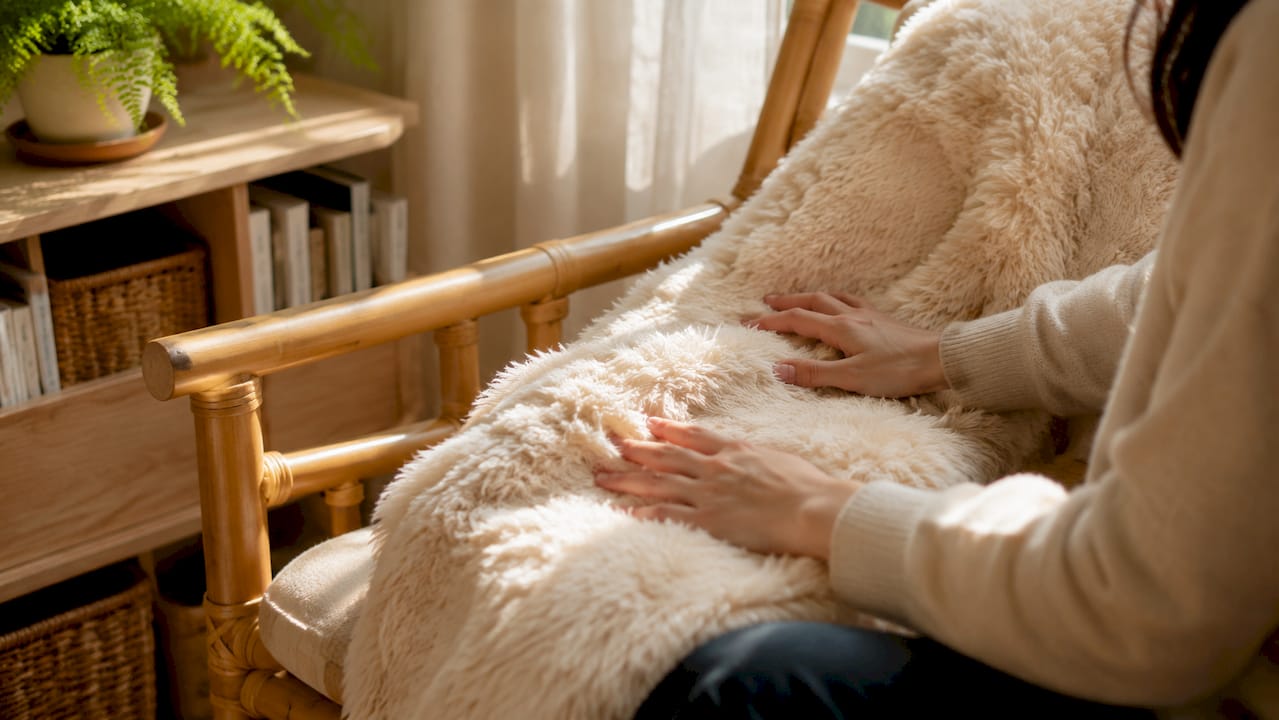
Soft textures and natural materials signal safety and comfort to the brain before you even touch them. This is a key insight most people miss. You do not need to fill a room with expensive furniture. You need to replace cold, smooth, reflective surfaces with warm, uneven, tactile ones.
The best textiles for a snug interior
The materials that work hardest for coziness include:
- Wool and chunky knit throws draped over sofas and armchairs
- Bouclé cushions in cream, caramel, or rust tones
- Velvet pillows that absorb light rather than reflect it
- Linen curtains in warm neutrals to soften window edges
- Layered area rugs to define seating zones and warm up hard floors
Each of these materials has an uneven surface. That unevenness is the point. Avoiding cold, reflective surfaces in favor of soft, varied textures triggers a neurological response associated with safety. A glass coffee table and polished concrete floor read as cold and exposed. A jute rug and a wooden bowl read as warm and sheltered.
Natural materials that add visual warmth
Visible wood grain is one of the most effective tools for ideas for a snug interior. A wooden tray, a set of oak side tables, or a reclaimed wood shelf adds organic warmth that no synthetic material replicates. Wicker baskets, linen storage bins, and ceramic vessels in earthy tones all contribute to the same effect. These items are also affordable. A wooden bowl from a home goods store costs under $20 and adds more warmth than a $200 decorative object made of chrome.
Pro Tip: Layer at least three different textures in every seating area. Combine a smooth sofa fabric with a chunky throw and a woven cushion. The contrast between textures is what creates visual richness and depth.
How does furniture arrangement affect a cozy atmosphere?
Furniture placement shapes how enclosed and comfortable a space feels. Most rooms default to furniture pushed against the walls, which creates a large, empty center that feels exposed rather than intimate.
Here are four layout changes that immediately improve coziness:
-
Pull furniture away from walls. Moving a sofa even 12 inches from the wall creates a sense of enclosure and makes the seating group feel intentional. The space behind the sofa can hold a console table or a floor lamp.
-
Create tight groupings around a focal point. Arrange chairs and sofas around a coffee table, fireplace, or low bookshelf. The focal point gives the eye somewhere to rest and makes the group feel purposeful. Intimate furniture groupings directly increase the perception of warmth and enclosure.
-
Use rugs to define the zone. A rug that fits under the front legs of all seating pieces ties the group together. It signals to the brain that this is a contained, safe space. Rugs also soften sound, which reduces sensory noise and deepens the relaxed feeling.
-
Add large wall art or a gallery wall. Large artwork placed at or slightly below standard hanging height lowers the perceived ceiling height. A lower perceived ceiling makes a room feel more sheltered. This is a free change if you already own art that is sitting in storage.
Simple rearrangements and a swap to 2700K bulbs can achieve cozy ambiance for under $50. The principle is clear: cozy design depends on sensory engagement, not expensive purchases. Rearranging your furniture costs nothing and can produce a more dramatic result than buying new pieces.
Adding plants to the seating area also helps. A fiddle leaf fig, a pothos, or a cluster of small succulents introduces organic life that makes a room feel lived-in and warm. For more on how to arrange lighting alongside furniture for a functional and stylish result, the Newwayref guide on arranging home lighting covers the full process.
How do scents and sounds complete a cozy space?
Lighting and texture handle the visual and tactile layers of coziness. Scent and sound complete the sensory picture. These two elements are often overlooked, but they are what separate a room that looks cozy from one that actually feels cozy.
Candles with vanilla, sandalwood, or cedar scents add emotional warmth beyond their light. These scents are processed by the brain as warm and safe, which reinforces the physical cues already in the room. Group three candles of varying heights on a tray for a deliberate, styled look that also layers the scent more effectively than a single candle.
Natural ambient sounds deepen relaxation in cozy spaces. A white noise machine set to rain, a crackling fire playlist on Spotify, or a small tabletop water feature all add an auditory layer that signals calm. These sounds work because they are consistent and non-threatening, which keeps the nervous system in a relaxed state.
For accent lighting that adds intimacy without adding bulk, consider:
- Pendant lights hung low over a reading chair or side table
- Wall sconces flanking a sofa or bed for warm, directional fill
- LED strip lights placed behind shelves or under furniture for indirect glow
- Himalayan salt lamps for a warm amber fill in smaller spaces
Small decor items also carry weight. A stack of books, a ceramic mug on a tray, a small framed print, and a woven basket all add personality and warmth without cluttering the space. The goal is to how to achieve a relaxed vibe through layers of detail, not through volume of objects.
Key takeaways
Creating cozy ambiance requires warm lighting at 2700K, layered sources at multiple heights, tactile natural materials, and intimate furniture groupings that signal enclosure and safety.
| Point | Details |
|---|---|
| Bulb temperature matters | Use 2700K bulbs in living rooms and bedrooms to produce warm, amber light. |
| Layer 5–7 light sources | Place floor lamps, table lamps, and candles at varying heights to create pools of warm light. |
| Texture signals warmth | Add wool throws, bouclé cushions, and wood grain surfaces to replace cold, smooth materials. |
| Rearrange before you buy | Pull furniture away from walls and group it around a focal point for instant coziness. |
| Engage all the senses | Layer vanilla or cedar candles and natural ambient sounds to complete the cozy atmosphere. |
What I have learned from actually doing this
The biggest mistake I see in living rooms is the reliance on a single overhead light. People spend money on furniture and decor, then flood the room with one harsh ceiling fixture that wipes out every warm detail they have added. Switching that one habit, replacing the overhead with three or four lower sources, produces a more dramatic change than any furniture purchase.
The second thing I have noticed is that texture is underestimated. Most people think of coziness as a color palette problem. They paint walls greige and call it done. But a room with warm gray walls and a glass coffee table still feels cold. The brain reads surfaces before it reads colors. A chunky knit throw on a plain sofa does more work than a carefully chosen paint color.
I also want to push back on the idea that cozy design is expensive. The most cozy rooms I have seen were put together on tight budgets. A $15 throw, a $25 floor lamp from a thrift store, and a rearranged sofa can outperform a professionally decorated room that ignored these fundamentals. Start with the lighting. Add one textured layer. Move the furniture. You will feel the difference before you finish the afternoon.
The best part about this process is that it is personal. Coziness is not a fixed aesthetic. It is a sensory state. Your version of it might include a reading nook with a single lamp and a wool blanket. Someone else’s might be a full living room with candles and a fire playlist. Both are correct. Build toward what makes your nervous system relax, and you will get it right.
— Enn
Transform your space with Newwayref

Newwayref carries a thoughtfully curated selection of lamps, lighting fixtures, and textured home decor designed to help you build a warm, inviting space without overspending. From warm-toned floor lamps and table lamps to woven baskets and accent pieces, every product is chosen with both style and function in mind. Free shipping applies to orders over $50, making it easy to pick up several pieces at once. Browse the full home decor and lighting collection at Newwayref and find the pieces that fit your version of cozy.
FAQ
What bulb color temperature is best for cozy rooms?
2700K is the best color temperature for living rooms and bedrooms. Bulbs above 3000K emit blue tones that trigger alertness rather than relaxation.
How many light sources does a cozy living room need?
The Scandinavian standard recommends 5–7 layered light sources at varying heights. This creates overlapping pools of warm light that eliminate harsh shadows and signal intimacy.
Can I create a cozy atmosphere without spending much money?
Yes. Rearranging furniture, swapping to 2700K bulbs, and adding a throw and a rug can create cozy ambiance for under $50. Cozy design depends on sensory engagement, not expensive purchases.
What scents make a room feel warmer?
Vanilla, sandalwood, and cedar are the most effective scents for emotional warmth. These scents are processed by the brain as safe and comforting, reinforcing the physical cues in the room.
Why does furniture against the wall feel less cozy?
Furniture pushed against walls creates a large, exposed center that the brain reads as open and unprotected. Pulling pieces inward and grouping them around a focal point creates enclosure, which is the core signal of coziness.