

TL;DR:
- Budget decorating relies on strategic allocation, with 60% of the budget spent on one or two high-quality anchor pieces to create visual hierarchy. Thrift store upcycling, simple DIY tasks, and inexpensive upgrades like paint and lighting significantly transform spaces without overspending. Patience, gradual improvement, and damage-free hanging methods help renters personalize their spaces affordably while protecting deposits.
Budget decorating is the practice of intentionally allocating limited funds across furniture, accents, and upgrades to create a cohesive, stylish home without overspending. Knowing how to decorate on a budget separates people who end up with cluttered, cheap-looking rooms from those who achieve a polished space for under $500. The difference is not how much you spend. It is where you spend it. Brands like IKEA and Sherwin-Williams have made quality, affordable home decor ideas accessible to students, renters, and first-time homeowners alike. This guide gives you a practical framework to spend smarter, not more.
How to allocate your decor budget for lasting style
The single most effective budgeting framework for home decorating is the 60/25/15 budget split: 60% on one or two anchor pieces, 25% on secondary items, and 15% on accent decor. This structure creates visual hierarchy and prevents the most common decorating mistake, which is buying too many small, inexpensive items that collectively look scattered and cheap.
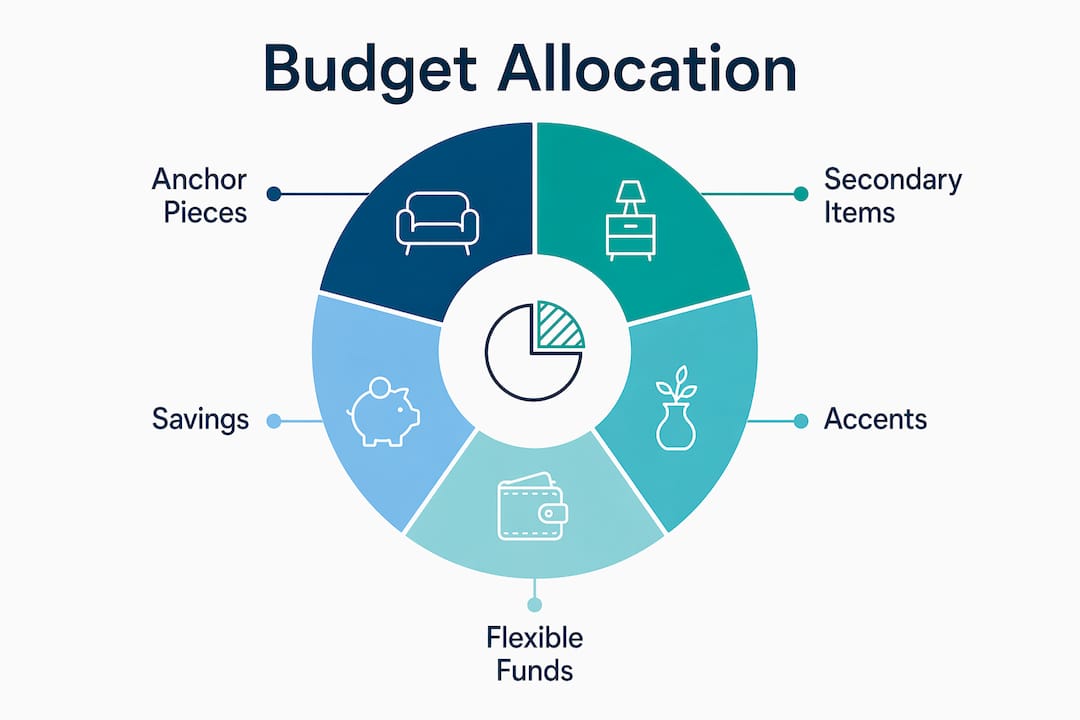
Anchor pieces are the large, high-use items that define a room. Think sofas, bed frames, dining tables, and bookshelves. These are the pieces you see first and use every day, so quality matters here. Secondary items include side tables, chairs, and storage units. Accents are pillows, candles, picture frames, and small plants. The key insight is that mixing one investment piece with thrifted or budget finds creates an intentional high-low look that reads as curated, not cheap.
| Category | Budget share | Examples |
|---|---|---|
| Anchor pieces | 60% | Sofa, bed frame, dining table |
| Secondary items | 25% | Side tables, accent chairs, storage |
| Accent decor | 15% | Pillows, candles, art prints, plants |
If your total decorating budget is $400, that means $240 goes toward one quality sofa or bed, $100 toward secondary pieces, and $60 toward accents. This feels counterintuitive when you are tempted to fill a room fast, but a single well-chosen anchor piece makes the entire room look intentional. Knowing how to choose furniture that balances cost and durability is the skill that separates a polished room from a cluttered one.
Pro Tip: Before buying anything, photograph your room and identify the one piece that would have the biggest visual impact. Spend the majority of your budget there first.
What are the best DIY and thrift store strategies?
Thrift store upcycling is one of the most reliable low-cost interior design strategies available, and it follows a repeatable four-step process. The upcycling process involves cleaning the piece thoroughly, applying primer and chalk paint, updating hardware with new knobs or pulls, and finishing with a sealant or wax. Tools like chalk paint and a basic cordless drill, which together cost roughly $65 to $99, are the only supplies you need to transform a $10 thrift store dresser into a statement piece.
Here is a practical step-by-step process for your first upcycling project:
- Scout with intention. Visit thrift stores like Goodwill or Habitat for Humanity ReStores and look for solid wood pieces with good bones. Ignore surface damage. Check for wobbly joints or broken frames, which are harder to fix.
- Clean and prep. Wipe down the piece with a damp cloth, then sand lightly to help paint adhere. Skip this step and your paint will peel within weeks.
- Prime and paint. Apply one coat of primer, let it dry fully, then apply two coats of chalk paint in a color that fits your room’s palette. Chalk paint requires no stripping and dries fast.
- Swap the hardware. New cabinet handles from Target or Amazon cost $2 to $8 each and immediately modernize any piece. This single change has the highest visual return per dollar of any DIY step.
- Seal and finish. Apply clear wax or a matte sealant to protect the paint. This step extends the life of your project by years.
For walls, peel-and-stick wallpaper from brands like Tempaper or RoomMates adds pattern and texture without permanent commitment. DIY floating shelves using basic pine boards and L-brackets from Home Depot cost under $30 and create display space that would cost $150 or more at a furniture retailer.
Pro Tip: When thrifting, bring a tape measure and your room dimensions on your phone. Impulse buys that do not fit your space are the fastest way to waste your thrift budget.
Which upgrades make the biggest visual impact for the least money?
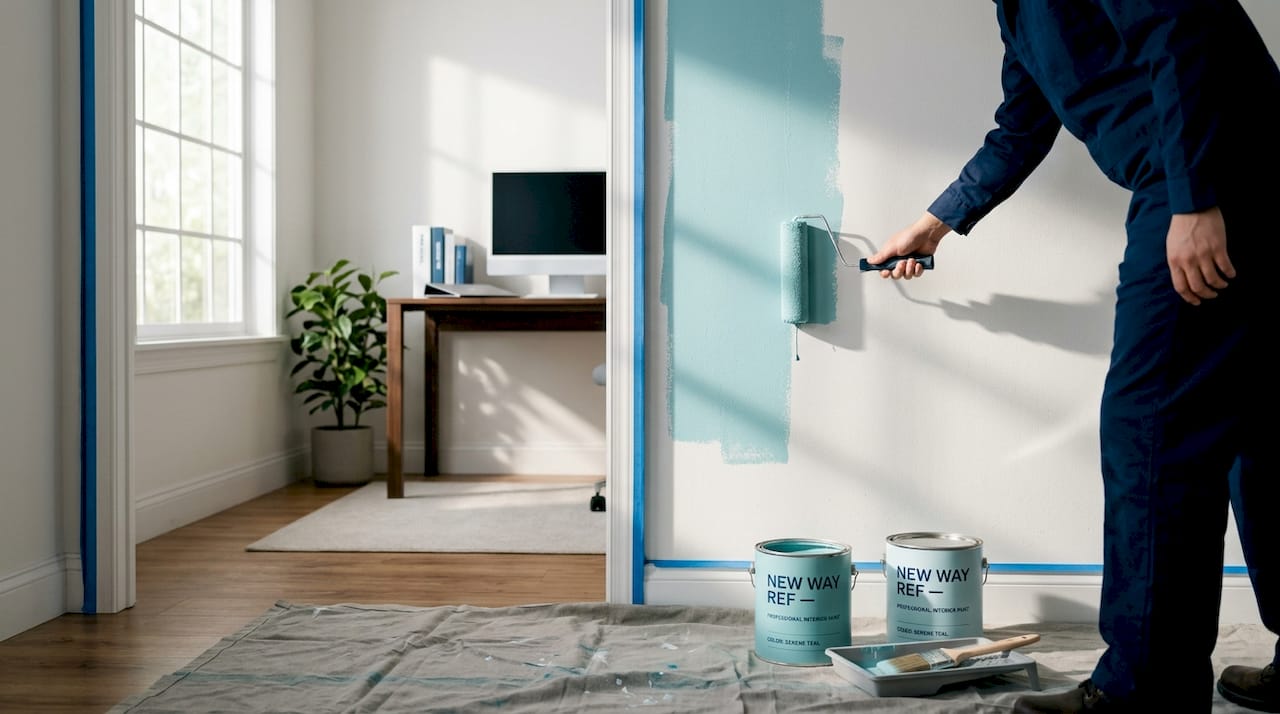
Paint is the single most cost-effective room transformation available. A gallon of paint costs $25 to $45 and can completely change the mood of a room. Sherwin-Williams and Benjamin Moore both offer sample pots for under $5, so you can test colors on your actual wall before committing. One accent wall in a deep, saturated color adds depth and drama without painting an entire room.
Lighting is the second most impactful and most overlooked upgrade. Layering ambient, task, and accent lighting creates a warm, inviting atmosphere that overhead lighting alone cannot achieve. Thrifted floor lamps and table lamps cost $5 to $30 at most secondhand stores. Pair them with warm 2700K bulbs, which cost about $8 for a four-pack, and your room will feel instantly more comfortable and expensive. For a broader comparison of affordable options, the top lighting solutions for 2026 break down what works best at each price point.
Here are the budget-friendly upgrades ranked by visual impact per dollar spent:
- Paint an accent wall. $25 to $45 for a gallon, transformative results in one afternoon.
- Swap cabinet and drawer hardware. New pulls cost $2 to $8 each and update kitchens and bathrooms instantly.
- Add a thrifted lamp with a warm bulb. Creates ambiance that overhead lighting destroys.
- Hang one large piece of art. One oversized print reads as intentional design. Ten small frames read as clutter.
- Declutter all surfaces. Removing 30% of items from shelves and tables makes a room look more expensive immediately. This costs nothing.
The decluttering point deserves emphasis. Most budget-decorated rooms look cheap not because of what is in them but because of how much is in them. Editing your existing belongings is the free upgrade that makes every other change look better.
How can renters decorate without risking their deposit?
Renter-friendly decorating means achieving a personalized space without nails, screws, or permanent modifications that trigger damage fees at move-out. Command Strips and damage-free hooks are the standard solution for wall hangings, and they hold frames, mirrors, and lightweight shelves securely on most wall surfaces.
Students typically spend $500 to $800 decorating dorms and apartments, with thrifted items like gold picture frames and DIY art prints forming the backbone of cohesive, affordable spaces. That budget goes further when you focus on vertical space and multifunctional furniture. A storage ottoman replaces both a coffee table and a storage bin. A tall bookshelf draws the eye upward and makes low-ceiling rooms feel larger.
Practical renter-friendly strategies include:
- Peel-and-stick wallpaper and decals. Brands like Tempaper and RoomMates remove cleanly without wall damage.
- Fabric wall hangings. A large piece of fabric or a tapestry hung with Command Strips adds color and texture with zero wall damage.
- Photo collages with washi tape. Washi tape holds lightweight prints directly on walls and peels off without residue.
- Freestanding furniture for storage. Ladder shelves, rolling carts, and freestanding wardrobes add function without drilling.
Pro Tip: Document your walls with photos before hanging anything. If a Command Strip leaves residue, a damp cloth with a little rubbing alcohol removes it cleanly. This protects your deposit and your peace of mind.
How to plan your decorating over time for better results
Decorating gradually over weeks or months produces better style cohesion and smarter spending than trying to furnish a space all at once. The pressure to finish a room quickly leads to impulse purchases that do not fit the space or the budget. A phased approach removes that pressure entirely.
Follow this sequence to build your space with intention:
- Start with the room you use most. Your living room or bedroom deserves the first and largest portion of your budget. Finishing one room completely feels more satisfying and livable than half-finishing three rooms.
- Build a neutral base layer. Choose a neutral palette for your anchor pieces: white, gray, beige, or warm wood tones. Neutral anchors work with any accent color you add later, which means you can update the look seasonally without replacing furniture.
- Add seasonal accents gradually. Swap throw pillow covers, add a seasonal candle, or hang a new print. These small changes cost $10 to $30 and keep your space feeling fresh without major spending.
- Set a monthly decor budget. Even $20 to $30 per month adds up to $240 to $360 per year. Consistent, small purchases made with intention beat one large, panicked shopping trip every time.
For a structured approach to managing the process, the guide on planning home upgrade projects covers how to sequence decisions without feeling overwhelmed.
Key takeaways
Decorating on a budget works when you allocate funds strategically across anchor pieces, secondary items, and accents rather than spreading spending evenly across many small purchases.
| Point | Details |
|---|---|
| Use the 60/25/15 split | Put 60% of your budget into one or two anchor pieces to create visual hierarchy. |
| Paint first, buy second | A $25 to $45 gallon of paint delivers more visual impact than most furniture purchases. |
| Thrift with a process | Clean, prime, paint, and swap hardware to turn $10 finds into statement pieces. |
| Renters use Command Strips | Damage-free hanging protects your deposit and gives you full decorating flexibility. |
| Build gradually | A phased approach with a monthly budget produces better style and smarter spending. |
What I have learned decorating on a budget
By Enn
The biggest mistake I see people make is treating budget decorating as a race. They want the room finished by the weekend, so they fill it with whatever is cheap and available. The result is a space that looks exactly like what it is: a collection of rushed decisions.
The rooms that look genuinely stylish on a small budget share one trait. They have patience built into them. The person who decorated them visited thrift stores consistently over two or three months, waited for the right lamp, and resisted buying five small things when one good thing would do more. Consistent thrift shopping and patience lead to better outcomes than impulsive buying every time.
I have also found that paint and lighting do more heavy lifting than any furniture purchase. I once transformed a dull rental bedroom with a $38 can of Sherwin-Williams paint and a $12 thrifted lamp. The room looked like a different apartment. No new furniture required. If I had spent that same $50 on throw pillows and small decorative objects, the effect would have been negligible.
For renters specifically, the fear of wall damage stops people from decorating at all. That is a real cost. A bare, impersonal space affects how you feel every day you live in it. Command Strips and peel-and-stick solutions remove that barrier entirely. Use them without hesitation.
— Enn
Transform your space with Newwayref
Newwayref offers a thoughtfully curated selection of modern furniture and home decor designed for people who want style without the premium price tag. From coffee tables and sofas to lighting fixtures and home accessories, every product is chosen to help you build a space you love at a price that makes sense. Free shipping on orders over $50 makes it even easier to get what you need without extra costs eating into your decorating budget. Whether you are furnishing a first apartment or refreshing a living room, browse the full collection at Newwayref to find pieces that fit your style and your budget. Your next anchor piece might be one click away.
FAQ
What is the best way to start decorating on a budget?
Start with the room you use most and allocate 60% of your total budget to one or two anchor pieces. A clear spending framework prevents the scattered, cheap look that comes from buying too many small items.
How much does a basic room makeover cost?
A meaningful room refresh can cost as little as $100 using paint ($25 to $45), a thrifted lamp ($5 to $30), and a few swapped hardware pieces ($20 to $30). Students and renters often complete full room setups for $500 to $800 by combining thrift finds with a few new pieces.
Can renters hang things on walls without losing their deposit?
Yes. Command Strips and damage-free hooks hold frames, mirrors, and lightweight shelves securely without nails or screws. Peel-and-stick wallpaper from brands like Tempaper also removes cleanly from most wall surfaces.
What is the single highest-impact budget upgrade?
Paint is the most cost-effective room transformation available. A gallon costs $25 to $45 and changes the entire mood of a space in one afternoon, outperforming most furniture purchases at the same price point.
Is thrift store furniture worth buying?
Solid wood thrift store pieces with good structural integrity are excellent buys. Clean, prime, paint, and swap the hardware, and a $10 find can become a focal piece that looks custom-made. Avoid pieces with broken frames or severe structural damage, as repairs often cost more than the savings.