

TL;DR:
- Organizing shoe cabinets involves a full cleanout, then arranging shoes by usage, type, and season for efficiency. Maintaining airflow, clear labeling, and regular resets help keep the system long-lasting and clutter-free. Proper measurement and versatile storage solutions ensure maximum capacity and easy access for daily footwear.
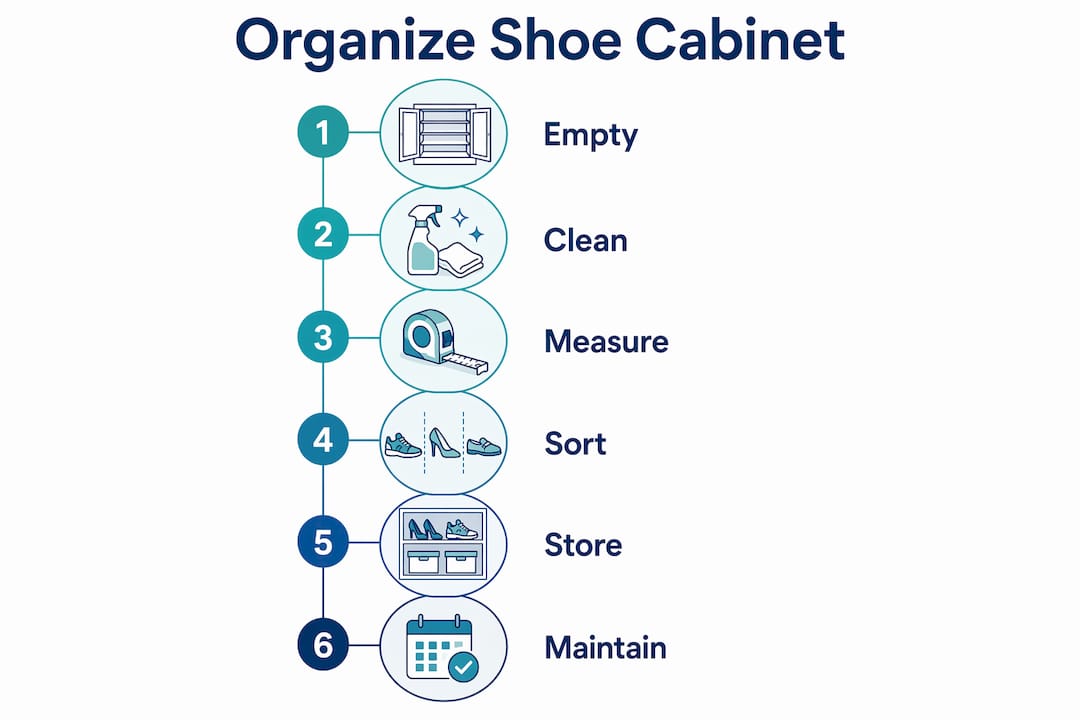
Organizing shoe cabinets is defined as the systematic process of sorting, arranging, and maintaining footwear storage to maximize space and make every pair easy to find. A well-organized shoe cabinet reduces morning frustration, protects your shoes from damage, and keeps your entryway or closet looking clean. Experts at Good Housekeeping, Geist for Life, and Apartment Therapy all point to the same starting principle: you cannot fix a chaotic cabinet without first understanding what you have. This guide walks you through every step, from the initial cleanout to long-term maintenance, with practical tips that work for both homeowners and renters.
How to organize shoe cabinets: start with a full cleanout
You cannot optimize your shoe cabinet layout until you empty it completely. Good Housekeeping advises vacuuming and wiping down the interior before sorting a single pair. That step reveals the actual dimensions you are working with and exposes any moisture, debris, or odor problems hiding underneath your shoes.
Once the cabinet is empty, sort every pair into three groups:
- Daily wear: Shoes you reach for at least once a week
- Occasional wear: Shoes for weekends, events, or specific activities
- Seasonal or rarely worn: Boots stored in summer, sandals stored in winter
This sorting step also forces a practical decision about what to keep. If you have not worn a pair in over a year, donating or discarding it frees up space for shoes you actually use. A cluttered cabinet is almost always a sign of too many shoes competing for too little space, not a layout problem.
Pro Tip: Spray the inside of the cabinet with a baking soda solution or a light odor-neutralizing spray before wiping it down. This prevents musty smells from returning once shoes go back in.
How do you plan the layout for efficient shoe storage?
Measuring your cabinet before buying any organizers is the single step most people skip. Geist for Life outlines ideal cabinet depths of 12–16 inches and recommends breathable shelving materials to prevent moisture buildup. Write down the height, width, and depth of each shelf before purchasing bins, dividers, or stackable inserts.
Match your storage tools to your shoe types. The table below shows how to pair compartment sizes with footwear categories:
| Shoe Type | Recommended Storage | Key Consideration |
|---|---|---|
| Ankle boots and tall boots | Taller compartments or boot shapers | Prevents creasing and collapse |
| Sneakers and athletic shoes | Standard shelves or stackable bins | Allow airflow between pairs |
| Heels and dress shoes | Angled or slanted shelves | Keeps heel visible for quick ID |
| Sandals and flats | Shallow bins or over-door pockets | Saves vertical space |
| Off-season shoes | Clear stackable containers | Easy to identify without opening |
Ventilation is not a luxury feature. Breathable shelving materials and perforated shelf panels allow air to circulate, which directly prevents mold and odor. Solid-bottom cabinets with no airflow trap moisture, especially in humid climates or entryways near exterior doors.
Renters benefit most from adjustable shelving systems and freestanding stackable bins. These solutions require no drilling, no permanent modification, and move with you when you relocate. Brands like ClosetMaid and Whitmor offer modular shelf units that fit inside most standard cabinets without tools.
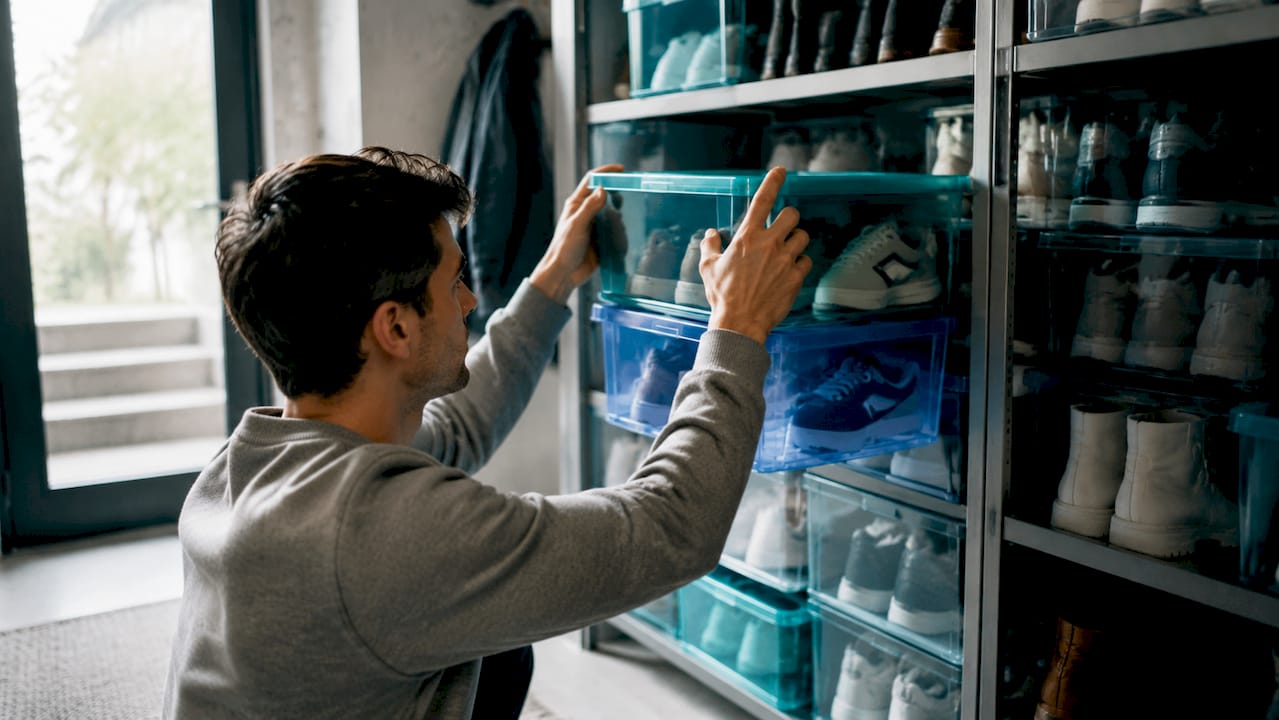
Pro Tip: Measure your tallest shoe before buying any organizer. A boot that stands 14 inches tall needs at least 15 inches of vertical clearance. One inch of error means the entire shelf configuration needs to change.
What are the best ways to arrange shoes for daily use?
The most effective shoe arrangement treats your cabinet like a daily workflow. Design the interior with a “grab zone” at middle-shelf height for everyday footwear. This is the eye-level, arm-reach area where you should place the five to seven pairs you wear most often. Storing them here eliminates rummaging and keeps the cabinet functional under real daily pressure.
Here is a proven arrangement system from top to bottom:
- Top shelf: Rarely worn or seasonal shoes in labeled clear containers
- Upper-middle shelf: Occasional wear shoes, grouped by occasion or color
- Middle shelf (grab zone): Daily wear shoes, arranged by frequency of use
- Lower-middle shelf: Athletic shoes, work boots, or bulkier footwear
- Bottom shelf or floor: Tall boots with boot shapers inserted to hold their shape
For off-season storage, clear under-bed containers holding up to 24 pairs and costing under $50 are a proven solution. Apartment Therapy used this method to manage nearly 100 pairs in a small apartment. The clear sides let you identify shoes without opening every box.
Alternating shoe orientation on shelves adds capacity without adding clutter. Placing shoes facing inward and outward alternately on the same shelf can increase the number of pairs per row by 20–30 percent. This technique works especially well for sneakers and flats.
For shared households, labeled bins or cubbies per person prevent mix-ups and make tidying faster. Geist for Life recommends this system specifically for families, where shoe chaos tends to multiply quickly. Each person knows exactly where their shoes belong, which reduces the time spent reorganizing.
Supplement your cabinet with vertical storage when floor space is limited. Vertical racks and towers save floor space while keeping shoes accessible, according to Clarks. Over-the-door organizers work well for flats, sandals, and kids’ shoes that do not need full shelf depth.
How do you keep a shoe cabinet organized long-term?
Long-term order comes from a few consistent habits, not a single perfect setup. The most common reason shoe cabinets fall back into chaos is overpacking. Leaving breathing room between pairs is not just about comfort. It actively prevents moisture buildup, odor, and mold growth over time.
Here are the maintenance practices that make the biggest difference:
- Set a monthly reset: Spend ten minutes once a month returning shoes to their assigned spots and removing any pairs that have migrated out of place
- Use shelf liners: Textured shelf liners with grip bottoms prevent heels and sandals from slipping and protect the cabinet surface from scuffs and debris
- Rotate seasonally: Move off-season shoes to under-bed containers or upper shelves every spring and fall to keep the grab zone current
- Clean shoes before storing: Dirt and moisture on shoes transfer to the cabinet interior and accelerate odor problems
For renters, non-slip mats and removable shelf liners are the best tools for protecting cabinet surfaces without causing damage. Peel-and-stick hooks on the inside of cabinet doors hold small accessories like shoe bags or insoles without drilling.
Aesthetic appeal also plays a practical role. Accessible, visually appealing storage increases the likelihood that you maintain the system over time. A cabinet that looks good is one you are more likely to keep tidy. Simple touches like matching bins, consistent labels, and a clean color palette make the space feel worth maintaining.
Pro Tip: Place a small cedar block or activated charcoal sachet on each shelf. Both absorb moisture and neutralize odor without chemicals, and they last for months before needing replacement.
Key takeaways
Organizing shoe cabinets effectively requires a full cleanout first, a layout matched to your shoe types, and consistent maintenance habits to keep order long-term.
| Point | Details |
|---|---|
| Start with a full empty and clean | Vacuuming and wiping the interior reveals actual space and removes hidden odor sources. |
| Measure before buying organizers | Cabinet depth of 12–16 inches and shoe height determine which storage tools will actually fit. |
| Use the grab zone principle | Place daily-wear shoes at middle-shelf height for fast, frustration-free access every morning. |
| Alternate shoe orientation | Facing pairs inward and outward alternately adds significant capacity without extra furniture. |
| Maintain airflow between pairs | Leaving space between shoes prevents moisture buildup, mold, and long-term shoe damage. |
Why the cleanout step changes everything
I have helped friends and family reorganize their shoe storage more times than I can count, and the pattern is always the same. Everyone wants to jump straight to buying new bins or a better cabinet. The cleanout feels like a chore, so people skip it. That is the mistake that guarantees the new system fails within two months.
The first time I fully emptied a shoe cabinet, wiped it down, and laid every pair out on the floor, I found eleven shoes without a match, three pairs I had forgotten I owned, and a collection of single-use event shoes taking up prime real estate. Removing those freed up two full shelves. No new furniture required.
The other thing most guides underestimate is the value of visible storage for daily shoes. When your everyday pairs are easy to see and grab, you actually put them back. When they are buried or stacked, you drop them by the door instead. The stylish shoe cabinet solutions that work best are the ones designed around that daily habit, not just around maximum capacity.
Style and function are not opposites in shoe storage. A cabinet that looks good in your entryway is one you will maintain. One that feels like a utility closet gets ignored. That balance is worth thinking about before you buy anything.
— Enn
Find the right shoe cabinet at Newwayref
Your organization system is only as good as the cabinet holding it together. Newwayref carries a thoughtfully curated selection of shoe cabinets and storage furniture designed for real homes, from compact entryway units to larger multi-shelf cabinets for growing collections. Each piece balances modern style with practical storage features like ventilated panels, adjustable shelves, and space-saving footprints.
Whether you are working with a small apartment or a full mudroom, Newwayref has options that fit your space and your budget. Free shipping is available on orders over $50. If you are also rethinking storage in other rooms, the smart solutions for small homes guide on the Newwayref blog covers furniture choices that work across every tight space in your home.
FAQ
What is the first step to organize a shoe cabinet?
Empty the cabinet completely and clean the interior before sorting any shoes. Good Housekeeping recommends vacuuming and wiping down the inside first, as this reveals your actual available space and removes hidden odor sources.
How many shoes fit in a standard shoe cabinet?
Cabinet capacity depends on depth and shelf spacing. Geist for Life notes that cabinets with 12–16 inch depths typically hold 3–5 pairs per shelf, depending on shoe size and orientation.
How should renters organize shoes without permanent changes?
Renters should use freestanding stackable bins, adjustable shelf inserts, and over-the-door organizers that require no drilling. Clear under-bed containers are also an excellent renter-friendly option for off-season storage.
How do you prevent odor in a shoe cabinet?
Leave space between pairs to allow airflow, and place cedar blocks or activated charcoal sachets on each shelf. Avoiding overpacking is the single most effective way to prevent moisture buildup and the odor that follows.
How often should you reorganize your shoe cabinet?
A quick ten-minute reset once a month keeps most cabinets in order. Seasonal rotations in spring and fall, moving off-season shoes to upper shelves or under-bed storage, prevent the grab zone from becoming cluttered with footwear you are not currently wearing.