

Choosing effective lighting for a small urban apartment feels overwhelming when every square foot counts. Poor lighting choices shrink your space visually, create harsh shadows, and waste precious room with bulky fixtures. Strategic lighting transforms compact living areas into bright, welcoming environments that feel significantly larger. This guide walks you through evaluation criteria, explores practical lighting options, compares their features and costs, and helps you select solutions that enhance both ambiance and perceived space in your urban home.
Table of Contents
- Evaluating Lighting Criteria For Small Spaces
- Best Lighting Options For Small Apartments
- Comparing Lighting Solutions: Features And Benefits
- Choosing The Right Lighting For Your Small Space
- Explore Stylish Lighting Solutions At New Way Ref
- FAQ
Key takeaways
| Point | Details |
|---|---|
| Evaluation criteria | Brightness, color temperature, fixture size, and style determine lighting effectiveness in small spaces |
| Multiple lighting types | Recessed lights, wall sconces, multi-functional lamps, and LED strips each offer unique spatial benefits |
| Feature comparison | Understanding pros, cons, and costs helps identify the best lighting match for your apartment and budget |
| Strategic selection | Layering light sources and matching fixtures to natural light conditions maximizes ambiance and openness |
Evaluating lighting criteria for small spaces
Selecting lighting for compact apartments requires balancing practical illumination with spatial efficiency. Your fixtures must provide adequate brightness without overwhelming limited square footage or creating visual clutter.
Brightness levels matter significantly in small spaces. Too dim, and your apartment feels cramped and unwelcoming. Too bright, and harsh light exposes every corner, eliminating the cozy atmosphere most urban dwellers seek. Aim for 20 lumens per square foot in living areas, adjusting based on room function and personal preference. Task areas like kitchen counters need brighter focused light, while bedrooms benefit from softer, adjustable options.
Lighting brightness and color temperature significantly impact ambiance in small living areas. Color temperature, measured in Kelvin, shapes mood and perceived warmth. Cooler temperatures around 4000K create crisp, energizing environments that make spaces feel more open. Warmer temperatures near 2700K generate cozy, intimate settings perfect for relaxation zones. Most small apartments benefit from layering both temperatures throughout different areas.
Fixture size directly affects how spacious your apartment feels. Oversized pendant lights or table lamps consume valuable visual and physical space, making rooms feel cluttered. Compact, streamlined fixtures blend seamlessly with small interiors while delivering necessary illumination. Wall-mounted and recessed options eliminate floor footprint entirely, preserving precious movement space.
Style considerations extend beyond aesthetics. Your lighting fixtures should complement existing decor without dominating the visual landscape. Minimalist designs with clean lines work well in modern urban apartments, while vintage-inspired compact fixtures suit eclectic spaces. Consider these factors when evaluating options:
- Fixture finish matching or contrasting with existing hardware
- Shade materials that diffuse light without blocking it completely
- Adjustable features allowing customization for different activities
- Installation requirements fitting your rental restrictions or skill level
Pro Tip: Choose fixtures with dimming capabilities to adjust brightness throughout the day, creating versatility without installing multiple lighting systems.
Energy efficiency impacts both environmental footprint and utility costs. LED technology dominates modern small space lighting because bulbs last years longer than traditional options while consuming 75% less energy. Initial investment costs drop as LED prices continue declining, making them accessible for most budgets.
Best lighting options for small apartments
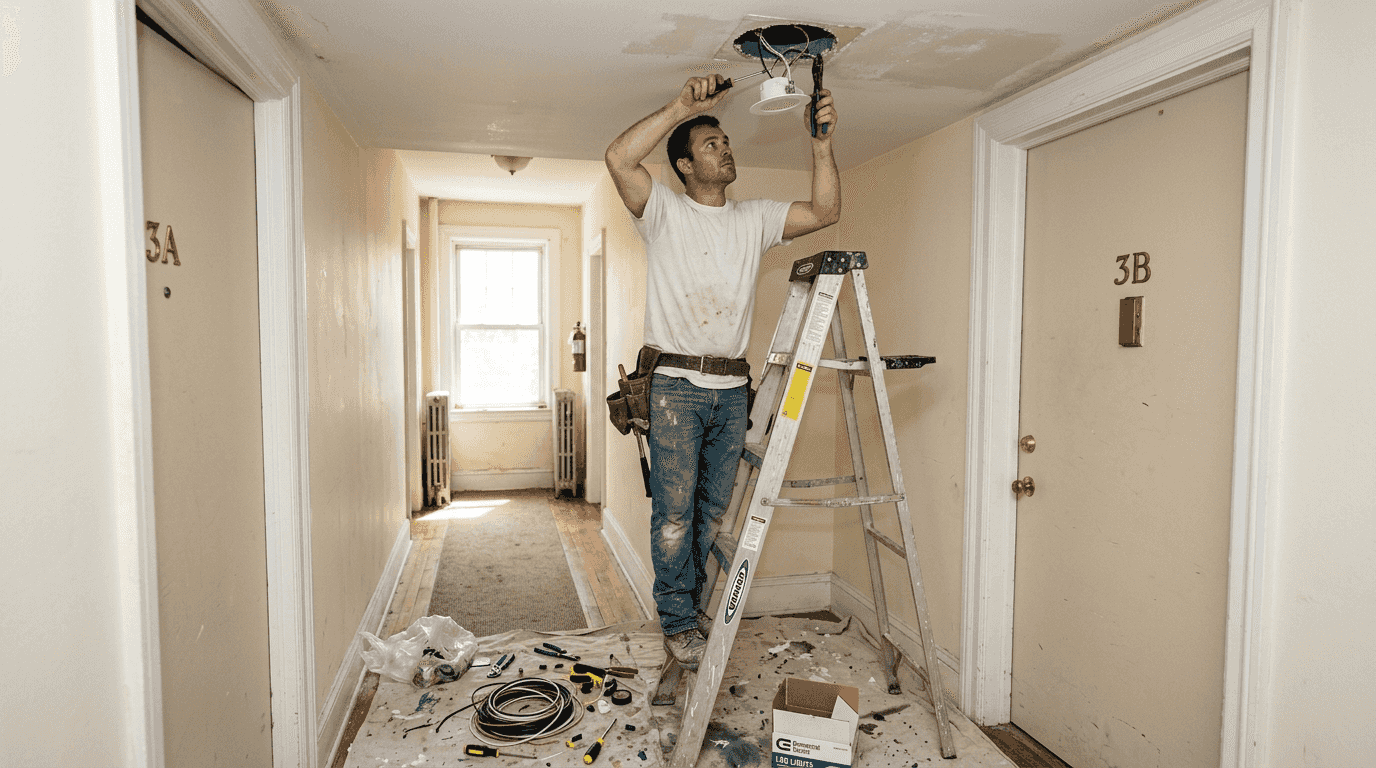
Recessed lighting offers unobtrusive illumination perfect for low ceilings and tight quarters. These fixtures install flush with ceiling surfaces, eliminating visual bulk while providing even ambient light distribution. Recessed lights work exceptionally well in kitchens, bathrooms, and hallways where protruding fixtures create hazards or visual clutter. Installation requires ceiling access and electrical work, making them better suited for owned apartments or landlord-approved renovations.
Wall sconces free up valuable floor and table space while adding architectural interest. Mounted at eye level or higher, sconces provide ambient and accent lighting without consuming square footage. They frame doorways beautifully, illuminate artwork, and create layered lighting schemes when combined with overhead sources. Hardwired sconces require electrical modifications, but plug-in versions offer renter-friendly alternatives with similar aesthetic impact.
Multi-functional lamps combine illumination with storage, charging stations, or decorative elements. Floor lamps with built-in shelving provide reading light while displaying books or plants. Table lamps featuring USB ports eliminate cord clutter while keeping devices charged. These versatile fixtures maximize utility in spaces where every item must serve multiple purposes. Look for slim profiles and adjustable arms that direct light precisely where needed.
LED strip lights provide accent and task lighting in narrow, awkward areas traditional fixtures cannot reach. Install strips under kitchen cabinets for shadowless food prep lighting, along shelving for dramatic display illumination, or behind headboards for ambient bedroom glow. Adhesive backing makes installation simple and damage-free, perfect for rental situations. Smart LED strips offer color-changing capabilities and app control, adding entertainment value beyond basic illumination.
Popular lighting types for small apartments can enhance style and function in compact urban homes. Track lighting systems deliver adjustable, directional illumination from a single ceiling-mounted fixture. Individual heads pivot to highlight artwork, brighten dark corners, or provide task lighting as needs change. Modern track designs feature sleek profiles that complement contemporary decor without appearing industrial or dated.
Pendant lights work in small spaces when sized appropriately and hung strategically. Mini pendants over kitchen islands or dining nooks provide focused task lighting while defining separate zones within open layouts. Choose pendants with transparent or translucent shades that allow light to spread rather than containing it. Adjustable-height pendants offer flexibility as furniture arrangements evolve.
Pro Tip: Measure your space carefully before purchasing pendant lights, ensuring they hang at least 30 inches above surfaces to prevent head bumps while maintaining effective illumination.
Floor lamps with uplighting bounce light off ceilings, creating ambient glow that makes rooms feel taller and more spacious. Arc floor lamps extend over seating areas, providing reading light without requiring side tables. Torchiere styles direct light upward, softening harsh shadows and opening up vertical space perception.
Comparing lighting solutions: features and benefits
Lighting solutions comparison helps identify the best options for your needs and budget. Understanding trade-offs between different fixture types guides smarter purchasing decisions aligned with your space constraints and lifestyle requirements.
| Lighting Type | Key Features | Pros | Cons | Typical Cost |
|---|---|---|---|---|
| Recessed Lighting | Flush ceiling mount, even distribution | Space-saving, modern look, permanent solution | Requires installation, limited adjustability | $15-$50 per fixture |
| Wall Sconces | Wall-mounted, decorative options | Frees floor space, adds style, versatile placement | Installation complexity, limited coverage area | $30-$150 per fixture |
| Multi-functional Lamps | Combined utility, portable | Maximizes space efficiency, flexible positioning | May compromise on design, limited brightness | $40-$200 per lamp |
| LED Strip Lights | Flexible, adhesive-backed, accent lighting | Easy installation, customizable length, energy-efficient | Limited ambient light, visible mounting | $15-$60 per 16 feet |
| Track Lighting | Adjustable heads, single power source | Directional control, adaptable, modern aesthetic | Ceiling-mounted only, visible hardware | $50-$200 per system |
| Pendant Lights | Hanging fixtures, focused illumination | Defines zones, stylish focal point, task lighting | Requires ceiling height, installation needed | $40-$250 per fixture |
Installation complexity varies significantly among lighting types. Recessed lights and hardwired sconces require electrical expertise and permanent modifications unsuitable for renters. LED strips and plug-in fixtures offer damage-free alternatives that install in minutes without tools. Consider your lease terms and DIY skills when selecting options.
Energy efficiency impacts long-term costs beyond initial purchase prices. LED technology across all fixture types consumes 75% less electricity than incandescent bulbs while lasting 25 times longer. Smart lighting systems add automation and remote control, further reducing energy waste through scheduling and motion sensors.
Brightness output determines how many fixtures you need. Recessed lights typically provide 600-800 lumens each, requiring multiple units for adequate room illumination. Multi-functional lamps range from 400-1200 lumens depending on bulb choice. LED strips offer 50-300 lumens per foot, suitable for accent rather than primary lighting.
Style versatility affects how well fixtures adapt as your decor evolves. Neutral finishes like brushed nickel or matte black complement multiple design schemes. Adjustable and portable options like floor lamps and track lighting accommodate furniture rearrangements without reinstallation.
Choosing the right lighting for your small space
Assessing your apartment’s natural light establishes your artificial lighting baseline. North-facing units receive limited direct sunlight, requiring brighter, cooler-toned fixtures to compensate for dimness. South-facing spaces enjoy abundant natural light, needing softer evening illumination and dimmable options to avoid over-lighting. East and west exposures shift throughout the day, benefiting from adjustable lighting systems that adapt to changing conditions.
Room size and ceiling height dictate fixture selection and placement. Studio apartments under 500 square feet need 10,000-12,000 total lumens from combined sources. One-bedroom units require 15,000-18,000 lumens distributed across living and sleeping areas. Low ceilings under 8 feet demand flush-mount or recessed fixtures, while standard 9-foot ceilings accommodate pendants and chandeliers when properly scaled.
Lighting layering tips for small spaces create a dynamic, spacious feel in compact homes. Layering different light sources produces depth and dimension impossible with single overhead fixtures. Combine three lighting types for optimal results:
- Ambient lighting provides overall illumination through ceiling fixtures or wall sconces
- Task lighting focuses brightness on specific activities via desk lamps or under-cabinet strips
- Accent lighting highlights architectural features or artwork using directional spots or LED strips
Budget constraints need not compromise lighting quality. Prioritize high-impact areas like living rooms and kitchens with better fixtures, using budget options in closets and hallways. Phased implementation spreads costs over time while immediately improving the most-used spaces. Consider these budget-friendly strategies:
- Start with LED bulbs in existing fixtures before replacing hardware
- Choose plug-in sconces over hardwired versions to avoid electrician costs
- Install LED strips yourself using adhesive backing and extension cords
- Shop seasonal sales and clearance sections for discontinued styles at reduced prices
Color temperature adjustments enhance mood and functionality throughout your apartment. Use warmer 2700K bulbs in bedrooms and living areas for relaxation. Install cooler 4000K lighting in kitchens and bathrooms for energizing task performance. Adjustable color temperature smart bulbs eliminate the need for multiple fixture types, changing tone via smartphone apps.
Pro Tip: Create lighting zones with separate switches or smart controls, allowing you to illuminate only occupied areas and reduce energy waste while enhancing ambiance control.
Rental restrictions limit permanent modifications but numerous solutions exist. Damage-free options include plug-in wall sconces, freestanding floor and table lamps, and adhesive LED strips that remove cleanly. Battery-powered fixtures eliminate electrical work entirely while providing supplemental lighting in dark corners. Always photograph original conditions and save removed hardware for restoration when moving.
Seasonal adjustments optimize comfort year-round. Increase brightness and use cooler tones during short winter days to combat seasonal affective disorder. Dim lights and shift to warmer temperatures during long summer evenings for comfortable relaxation. Smart lighting systems automate these transitions based on sunset times and personal schedules.
Explore stylish lighting solutions at New Way Ref
Transforming your small urban apartment starts with the right lighting choices. New Way Ref offers a carefully curated lighting collection featuring space-saving fixtures designed specifically for compact living environments. Browse modern wall sconces, sleek LED options, and multi-functional lamps that deliver both style and practical illumination.
Each lighting solution complements small space living without sacrificing design quality or functionality. Pair your new fixtures with items from the home decor collection to create a cohesive, welcoming atmosphere throughout your apartment. Free shipping on orders over $50 makes upgrading your lighting both affordable and convenient.
FAQ
What type of lighting is best for very small apartments?
Compact, multi-functional fixtures work best in very small apartments where every inch matters. Wall-mounted sconces and recessed lighting eliminate floor footprint while providing adequate illumination. Combining ambient overhead lighting with targeted task lamps creates layered illumination without cluttering limited space.
How can I use lighting to make a small room appear larger?
Layered light sources eliminate shadows and brighten corners, making rooms feel more spacious and open. Choose cool to neutral color temperatures around 3500-4000K that create an airy, expansive perception. Uplighting that bounces off ceilings draws eyes upward, emphasizing vertical space and increasing the sense of height.
Are LED lights suitable for small living areas?
LED lights excel in small living areas due to exceptional energy efficiency and compact bulb sizes. They generate minimal heat compared to incandescent options, important in tight spaces with limited ventilation. LED technology offers versatile brightness levels and color temperatures, allowing customization for different moods and activities throughout your apartment.
How many light sources should a small apartment have?
Small apartments benefit from three to five light sources distributed across ambient, task, and accent categories. A studio might include one ceiling fixture, two table lamps, and LED strips under cabinets. One-bedroom units typically need five to seven sources covering living room, bedroom, kitchen, and bathroom areas for adequate layered illumination.
Can I install new lighting fixtures in a rental apartment?
Many lighting upgrades work perfectly in rental apartments without permanent modifications. Plug-in wall sconces, freestanding lamps, and adhesive LED strips install without damaging walls or ceilings. Battery-powered fixtures offer additional flexibility in spaces lacking convenient outlets. Always review your lease terms and photograph original conditions before making any changes.