

Most people think following the latest trends is the secret to beautiful interiors, but research reveals a surprising truth: homes reflecting personal style deliver far greater emotional benefits than trend-driven spaces. Your interior should feel like an extension of who you are, not a catalog page. When you prioritize personalizing your home over chasing fleeting aesthetics, you create environments that genuinely enhance well-being and comfort. This guide walks you through discovering your unique design preferences, balancing timeless elements with modern touches, and applying practical strategies to transform any space into a true reflection of your personality and lifestyle.
Table of Contents
- Why Personal Style Matters In Interior Design
- How To Discover Your Personal Interior Style
- Balancing Trends With Timeless Personal Style For Longevity
- Personal Style For Modern Young Professionals And Homeowners
- Explore Modern Stylish Furniture And Decor At New Way Ref
Key takeaways
| Point | Details |
|---|---|
| Personal style boosts comfort | Interiors reflecting your personality enhance mood and create authentic, comfortable living spaces. |
| Mood boards clarify preferences | Collecting inspirations helps identify recurring themes and emotional intentions for your design direction. |
| Timeless foundations prevent regret | Anchoring with durable, neutral elements allows trend accents without frequent overhauls. |
| Young professionals value personalization | Modern multifunctional furniture meets the dual need for style expression and practical living. |
| Balance aesthetics with function | Successful interiors merge personal artifacts with cohesive design to avoid clutter while staying livable. |
Why personal style matters in interior design
Your living space does more than house your belongings. It actively shapes your mental state, productivity, and overall happiness. Personal style in interiors enhances well-being by reflecting individual personality and lifestyle, making spaces feel authentic and comfortable. When your surroundings align with who you are, you experience reduced stress and increased satisfaction every time you walk through the door.
The psychology of living spaces reveals that environments influence behavior and emotions in measurable ways. Rooms filled with generic decor or copied trends often feel sterile, lacking the warmth that comes from genuine self-expression. Authenticity matters because your brain recognizes when something feels forced versus natural. Spaces designed around your preferences create a sense of belonging that trend-chasing simply cannot replicate.
Consider how personal artifacts transform a room. Family photos, travel souvenirs, or handmade items carry emotional weight that mass-produced decor never will. These pieces tell your story and anchor your space in real experiences. Modern stylish furniture serves dual purposes: it provides necessary function while offering opportunities to express taste through form, color, and material choices. A well-chosen coffee table or lighting fixture becomes both practical and personally meaningful.
“Design is not just what it looks like and feels like. Design is how it works. When your interior reflects your personality, it works better for your life.”
The shift toward personal style represents a rejection of one-size-fits-all approaches. Young professionals and homeowners increasingly recognize that cookie-cutter spaces fail to support their unique routines and values. Your home should adapt to your lifestyle, not the other way around. Whether you need a quiet reading nook, an energizing workspace, or a cozy gathering area, personal style ensures every design choice serves your specific needs. This alignment between environment and identity creates the foundation for genuine comfort and long-term satisfaction with your interior.
How to discover your personal interior style
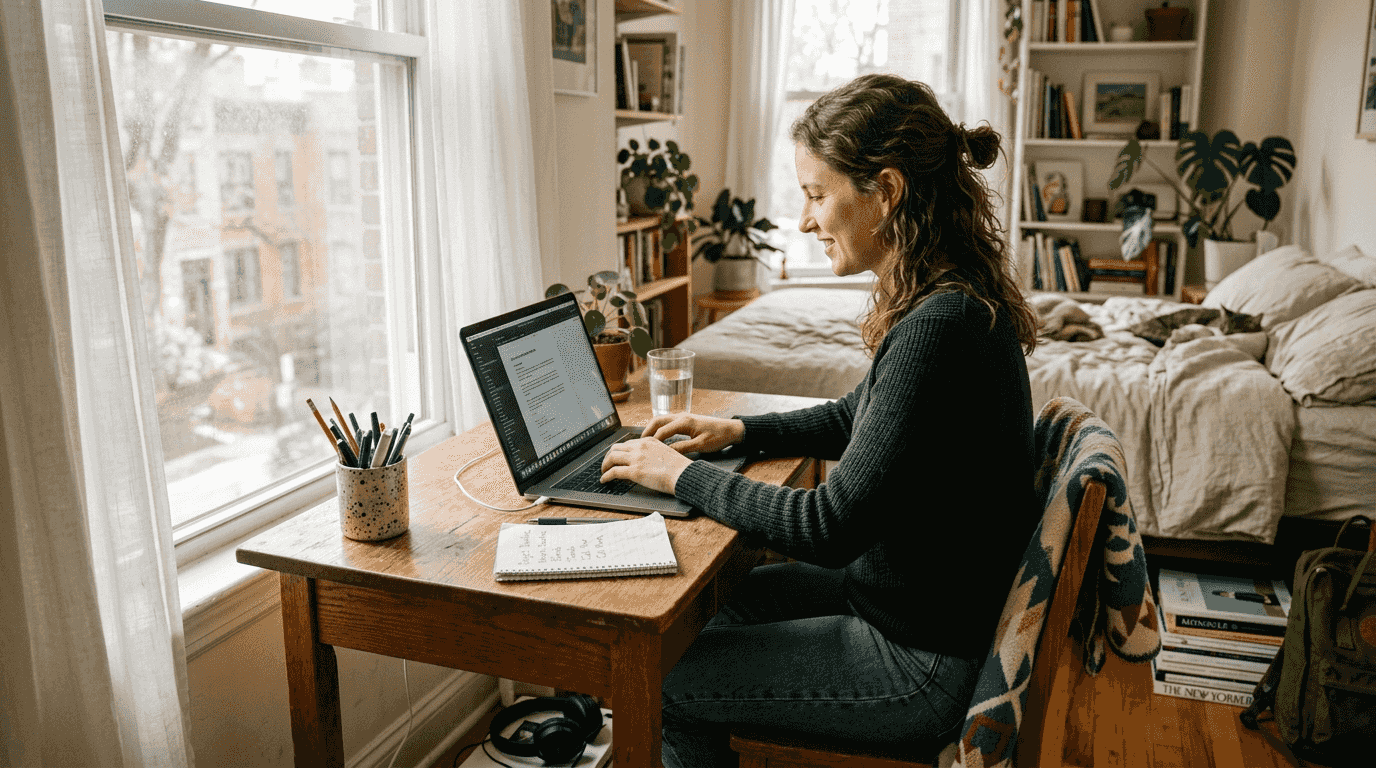
Finding your design voice starts with intentional observation and self-reflection. Create mood boards by collecting images that inspire you, whether from magazines, websites, or real spaces you encounter. Digital tools like Pinterest make this process simple, but physical boards offer tactile engagement that some find more revealing. As your collection grows, patterns emerge. You might notice a preference for warm wood tones, clean lines, or bold accent colors. These recurring elements point toward your authentic style.
Pay attention to emotional responses rather than just visual appeal. Ask yourself how each image makes you feel. Does it evoke calm, energy, joy, or focus? Your desired emotional state should guide design decisions as much as aesthetics. A space meant for relaxation demands different choices than one designed to energize creative work. This emotional intention becomes your north star when making furniture and decor selections.
Your home’s existing architecture provides valuable clues and constraints. High ceilings suit different treatments than cozy low ones. Natural light levels affect color choices. Work with these features rather than against them. Evaluate what you already own and love. Which pieces feel essential? What would you replace if budget allowed? These answers reveal priorities and preferences you might not consciously recognize.
Key steps for style discovery:
- Gather inspiration images across multiple sources to identify visual patterns
- Define emotional goals for each space based on how you want to feel
- Assess architectural features and existing elements you must accommodate
- Identify unifying threads like preferred color families, materials, or design eras
- Test ideas through small purchases before committing to major furniture investments
Consistency creates cohesion without requiring everything to match perfectly. Choose a limited color palette that appears throughout your space in varying proportions. Select materials that complement each other, like pairing warm metals with natural wood or cool grays with crisp whites. Scale matters too. Mixing furniture sizes adds visual interest, but extreme contrasts can feel chaotic. Balance large anchor pieces with smaller accents.
Pro Tip: Start your style discovery in the room where you spend the most time. Success in one space builds confidence and clarifies preferences for the rest of your home.
Function cannot be sacrificed for aesthetics. Beautiful furniture that fails to serve your daily needs creates frustration, not satisfaction. A stunning but uncomfortable sofa or a gorgeous table too small for actual use undermines the entire purpose of thoughtful design. Seek pieces that deliver both visual appeal and practical performance. Modern home decor guide 2026 approaches emphasize this dual requirement, recognizing that true style includes livability. Layer personal items gradually, allowing your space to evolve as you acquire meaningful pieces rather than rushing to fill every surface.
Balancing trends with timeless personal style for longevity
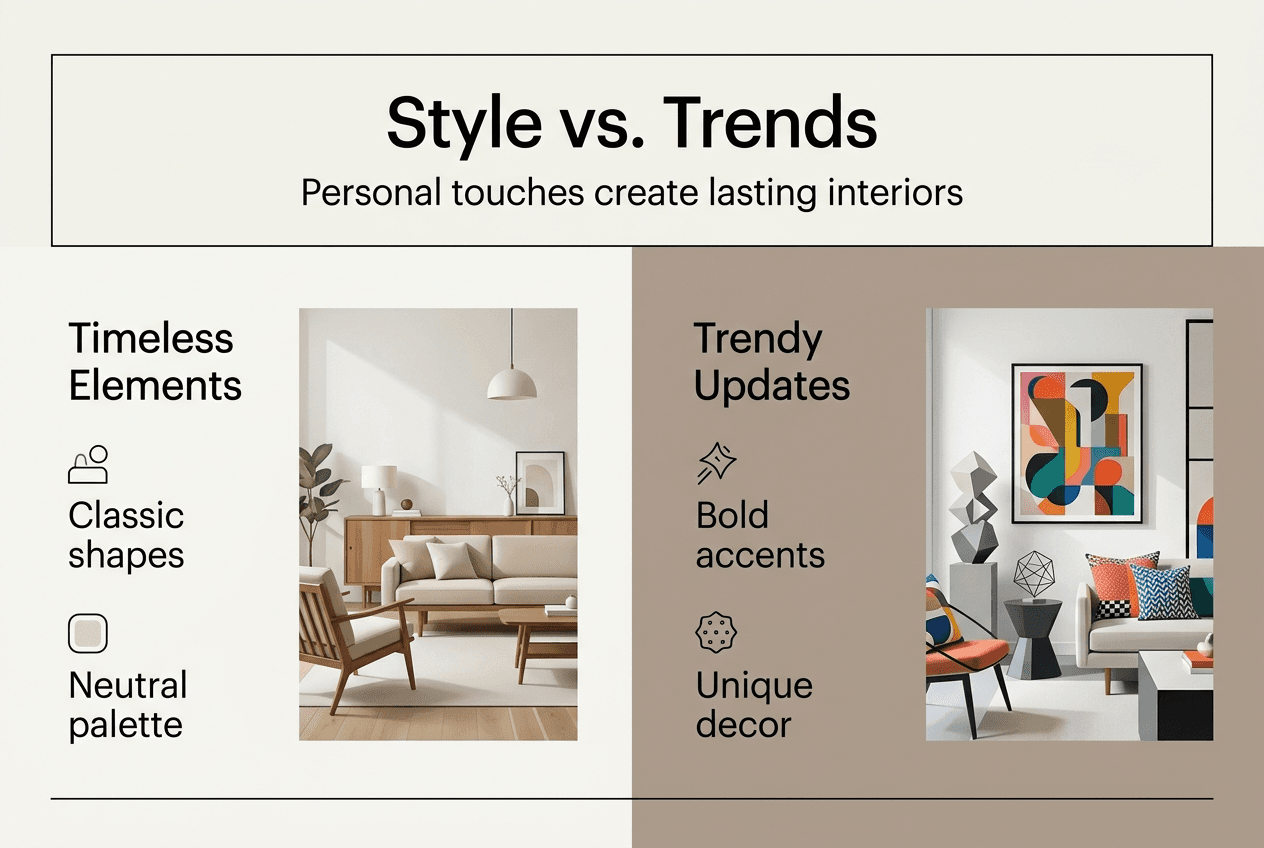
Pure trend following creates a predictable cycle of excitement followed by regret. What looks cutting-edge today often appears dated within months, leaving you with expensive furniture that no longer resonates. The 2026 shift emphasizes foundations over fads, with experts recommending 80% timeless value and durability in major pieces, reserving trend expression for easily changeable accents. This approach suits renters and young professionals who want current style without constant overhauls.
Timeless elements share common characteristics: quality construction, neutral color palettes, classic proportions, and versatile functionality. A well-made sofa in a solid neutral tone works across multiple design schemes and lasts for years. Natural materials like wood, metal, and stone age gracefully rather than looking worn. These foundational pieces provide stability while allowing you to experiment with trendier elements in lower-commitment ways.
Trends belong in accessories, textiles, and small decor items. Swap throw pillows, artwork, or lighting fixtures to refresh your space without replacing core furniture. This strategy delivers visual interest and keeps interiors feeling current while protecting your budget and avoiding waste. A trendy accent chair or bold rug can energize a room, but if the trend fades, replacing these items costs far less than new major furniture.
| Approach | Longevity | Flexibility | Cost Over Time | Best For |
|---|---|---|---|---|
| Pure Trend Following | Low | Limited | High | Short-term rentals |
| Timeless Foundation | High | Moderate | Low | Long-term homeowners |
| Blended Strategy | High | High | Moderate | Most lifestyles |
| Personal Style Focus | Very High | High | Low | Authentic expression |
Young renters particularly benefit from versatile, multifunctional furniture that adapts to changing spaces and needs. A dining table that functions as a workspace, storage ottomans, or modular shelving systems move easily and serve multiple purposes. These pieces support personal style while acknowledging the practical realities of rental living and potential relocations.
Mixing styles requires intentional balance. Too much variety creates visual chaos. Too little results in bland uniformity. The key lies in establishing a dominant style (60-70% of elements), a secondary complementary style (20-30%), and small accent pieces (10%) that add surprise. This formula, borrowed from contemporary style explained principles, prevents both sterility and confusion.
Pro Tip: Before buying trendy items, ask whether you would still love them in three years. If the answer is no, choose a more timeless alternative or commit only to inexpensive, easily replaceable versions.
The trending decor styles 2026 landscape shows movement toward personalization over uniformity. Rather than everyone adopting identical looks, successful interiors blend current influences with individual preferences. Interior design expert advice consistently emphasizes investing in quality over quantity, choosing pieces you genuinely love rather than items that merely look fashionable. This mindset shift transforms how you approach every purchase, leading to spaces that feel cohesive and authentic rather than assembled from a catalog.
Personal style for modern young professionals and homeowners
Modern eclectic styles dominate among U.S. young renters, reflecting a desire to blend influences rather than commit to single design movements. Personalization ranks as top priority, with 63% of millennials customizing homes to reflect individual tastes. This demographic values self-expression through multifunctional, stylish furniture that works in compact urban spaces. The focus extends beyond aesthetics to creating cozy, inviting environments that genuinely feel like home.
Key design goals for this group center on comfort and authenticity. Spaces should feel welcoming to both residents and guests while clearly reflecting the occupant’s personality. This means moving beyond generic rental aesthetics toward curated collections of meaningful items. Even in temporary living situations, young professionals invest in pieces that travel well and adapt to different layouts.
Multifunctional furniture solves the dual challenge of limited space and tight budgets. A storage bed eliminates the need for separate dressers. A sleeper sofa accommodates guests without requiring a dedicated guest room. Nesting tables provide surface area when needed but tuck away to preserve floor space. These practical solutions align with modern lifestyles that prioritize flexibility and efficiency.
Practical personalization strategies:
- Start with one statement piece that captures your style, then build around it
- Layer textures through rugs, throws, and pillows to add warmth and visual interest
- Use vertical space with wall-mounted shelves and hanging plants to maximize function
- Incorporate home accessories for millennials that serve dual decorative and practical roles
- Create distinct zones in open layouts using furniture placement and area rugs
- Display personal collections or hobbies as decor to showcase individuality
Mood-driven color palettes significantly impact ambiance and well-being. Warm tones like terracotta and ochre create cozy, grounding environments. Cool blues and greens promote calm and focus. Neutral bases with strategic color pops offer flexibility to shift moods through accessories. Understanding color psychology helps you design spaces that support your emotional needs throughout the day.
Personal artifacts transform generic spaces into homes. Travel souvenirs, family heirlooms, or handmade items carry stories that mass-produced decor cannot replicate. These pieces anchor your interior in real experiences and relationships. Stylish display methods, like gallery walls or curated shelving, elevate personal items from clutter to intentional design elements.
| Design Priority | Percentage of Young Professionals | Implementation Strategy |
|---|---|---|
| Personalized decor | 63% | Mix personal artifacts with modern pieces |
| Cozy atmosphere | 58% | Layer textiles and warm lighting |
| Multifunctional furniture | 52% | Choose pieces serving dual purposes |
| Self-expression | 48% | Display hobbies and collections |
The benefits of modern decor extend beyond aesthetics to practical advantages. Clean lines simplify maintenance. Neutral palettes provide flexibility for future changes. Quality construction ensures pieces last through multiple moves. Modern design principles align naturally with personal style goals by emphasizing intentionality over excess. Every item should earn its place through beauty, function, or emotional significance. This editing process creates spaces that feel curated rather than cluttered, stylish rather than sterile.
Explore modern stylish furniture and decor at New Way Ref
Transforming your interior with personal style requires the right pieces to bring your vision to life. New Way Ref offers a carefully curated selection of modern furniture and home decor designed specifically for homeowners and young professionals seeking to express individuality while maintaining functionality. Whether you need multifunctional pieces for compact urban spaces or statement items that anchor your design scheme, the collections provide options that balance aesthetics with practical living.
Browse the home decor collection to discover accessories that add personality without overwhelming your space. Explore the lighting collection for fixtures that set the right mood while serving as sculptural elements. Each product is selected to support the personalization strategies covered in this guide, making it easier to find pieces that truly reflect your style. Visit the New Way Ref homepage to start building interiors that feel authentically yours, with free shipping on orders over $50 to make your transformation even more accessible.
FAQ
How do I start identifying my personal style for my home?
Start by collecting images that inspire you and create mood boards to see recurring themes and feelings. Focus on how each image makes you feel to clarify your style direction. Look for patterns in colors, materials, and furniture shapes that appear repeatedly. This visual research reveals preferences you might not consciously recognize, providing a foundation for confident design decisions.
Can I mix modern furniture with vintage pieces effectively?
Yes, mixing works well if you unify elements such as color palettes and scale. Balance is key to avoid clutter or an incoherent look. Choose a dominant style for most pieces, then add contrasting items as intentional accents. This approach creates visual interest while maintaining cohesion, allowing both modern and vintage elements to shine without competing.
How can renters personalize their interiors without permanent changes?
Use removable decor like rugs, artwork, and lighting ideas for apartments to express style. Choose multifunctional, stylish furniture suitable for small or temporary spaces. Layer personal artifacts and textiles to add warmth without permanent alteration. Freestanding shelving, adhesive hooks, and furniture arrangement create personalized zones without damaging walls or requiring landlord approval.
What are the biggest mistakes to avoid when designing with personal style?
Avoid overcommitting to fleeting trends that date spaces quickly. Do not neglect functionality while focusing on aesthetics. Balance personal items with cohesive design elements to prevent clutter. Buying everything at once often results in spaces that feel incomplete or forced. Allow your interior to evolve gradually, adding pieces as you discover what truly resonates with your lifestyle and preferences.