

Upgrading an apartment in London, New York, or Tokyo often means balancing style with smart technology. For many young professionals, static decor no longer meets the demand for comfort or efficiency. The rise of intelligent, connected systems is changing how urban living spaces are designed and enjoyed. Discover how the evolution of smart home decor can transform your home into a user-aware environment while keeping it visually stunning and highly functional.
Table of Contents
- Defining Smart Home Decor And Its Evolution
- Types Of Smart Home Decor Solutions
- Core Features And How Integration Works
- Practical Benefits And Real-World Examples
- Risks, Costs, And Common Mistakes
Key Takeaways
| Point | Details |
|---|---|
| Integration of Technology | Smart home decor blends advanced technology with interior design for enhanced living spaces. |
| Types of Solutions | Various solutions like smart lighting and intelligent furniture cater to diverse needs. |
| Practical Benefits | Smart home technologies improve energy efficiency, security, and overall user comfort. |
| Consideration of Risks | Users must be aware of privacy, security risks, and costs associated with smart home tech. |
Defining Smart Home Decor and Its Evolution
Smart home decor represents a revolutionary intersection of design aesthetics and cutting-edge technology, transforming living spaces from static environments into dynamic, responsive systems. Emerging technological frameworks have reshaped how we conceptualize residential interiors, moving beyond mere functionality toward intelligent, adaptive experiences.
At its core, smart home decor integrates advanced technologies to enhance comfort, efficiency, and personalization. This approach goes far beyond traditional home design by embedding intelligent systems that can:
- Monitor and adjust environmental conditions automatically
- Provide real-time energy management
- Create personalized ambiance through adaptive lighting and sound
- Enable remote control of home systems
- Enhance security through intelligent monitoring
The evolution of smart home technology has been driven by significant advancements in artificial intelligence, Internet of Things (IoT), and interconnected communication technologies. What began as simple programmable thermostats and basic home automation has transformed into sophisticated, user-aware systems that anticipate and respond to inhabitants’ preferences and needs.
Modern smart home decor seamlessly blends technological intelligence with design aesthetics, ensuring that technological elements complement rather than disrupt interior design principles. Designers now view technology as an integral component of spatial planning, creating environments that are both visually appealing and functionally sophisticated.
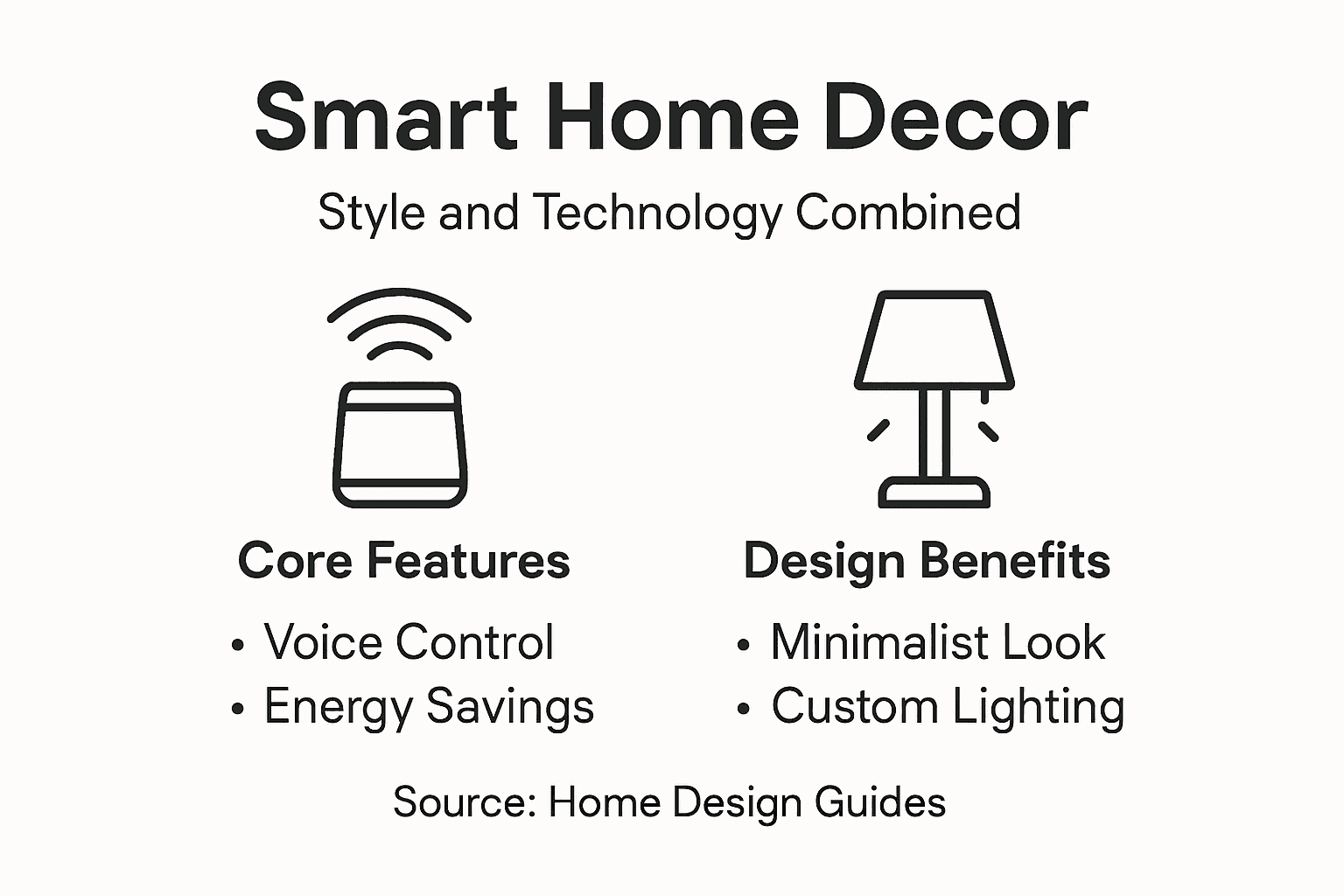
Pro tip: When integrating smart home technologies, prioritize devices that offer both aesthetic elegance and practical functionality to maintain your space’s visual harmony.
Types of Smart Home Decor Solutions
Smart home decor solutions have rapidly expanded, offering innovative ways to transform living spaces into intelligent, responsive environments. Advanced technological categories reveal a diverse landscape of solutions that blend cutting-edge technology with design aesthetics, catering to various lifestyle needs and preferences.
The primary categories of smart home decor solutions include:
- Smart Lighting Systems: Adaptive lighting that adjusts color, intensity, and mood
- Intelligent Furniture: Pieces with embedded sensors and connectivity
- Climate Control Devices: Automated temperature and environmental management
- Security Integration: Smart locks, cameras, and monitoring systems
- Entertainment Technology: Voice-controlled audio and visual systems
- Health and Wellness Devices: Air quality monitors and fitness-tracking furniture
Smart furniture represents a particularly innovative segment, integrating sensor technologies that transform traditional furniture into interactive, functional elements. These solutions go beyond mere decoration, offering practical features like health monitoring, energy optimization, and personalized user experiences.
The convergence of design and technology has enabled smart home decor solutions to become more intuitive and seamlessly integrated. Modern devices are no longer bulky or visually disruptive but instead complement interior design principles, creating environments that are both aesthetically pleasing and technologically advanced.
Here’s a summary of how key smart home decor solutions enhance residential environments:
| Solution Type | Unique Feature | Ideal Use Case | Example Benefit |
|---|---|---|---|
| Smart Lighting | Adaptive color/intensity | Living rooms, bedrooms | Personalized ambiance |
| Intelligent Furniture | Embedded sensors | Bedrooms, home offices | Health monitoring |
| Climate Control Devices | Automated environment | Whole home | Energy savings |
| Security Integration | Remote-access monitoring | Entrances, perimeter | Enhanced peace of mind |
| Entertainment Tech | Voice-controlled systems | Media rooms, common areas | Streamlined control |
| Wellness Devices | Air, sleep, fitness sensors | Bedrooms, gyms | Improved wellbeing |
Pro tip: When selecting smart home decor solutions, prioritize devices that offer multi-functional capabilities and align with your existing interior design aesthetic.
Core Features and How Integration Works
Smart home decor integration represents a sophisticated ecosystem of interconnected technologies designed to create intelligent, responsive living spaces. Core integration technologies enable seamless communication between various devices, transforming traditional home environments into dynamic, adaptive systems.
The fundamental components of smart home decor integration include:
- Sensor Networks: Embedded sensors that detect environmental changes
- Connectivity Protocols: Wi-Fi, Bluetooth, and Zigbee for device communication
- Microcontrollers: Small computers that process and manage device interactions
- Cloud Services: Remote data processing and storage
- User Interface: Mobile apps and voice control systems
- Machine Learning Algorithms: Adaptive systems that learn user preferences
Wireless connectivity frameworks enable sophisticated interactions between devices, allowing users to control multiple home systems through centralized platforms. These technologies support advanced features like automated climate control, security monitoring, and personalized environmental settings that respond intelligently to occupants’ needs.
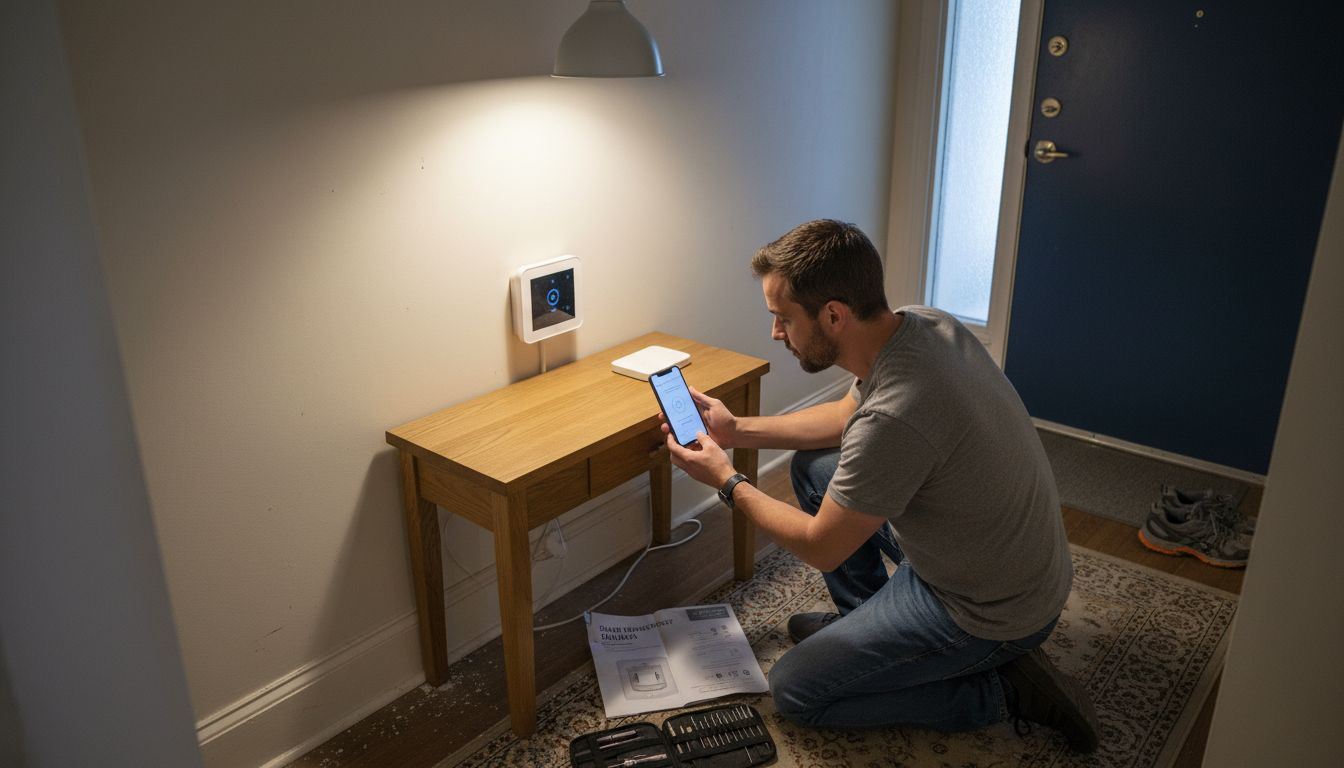
The integration process involves complex communication protocols that allow devices to share information, make autonomous decisions, and create cohesive user experiences. Smart home decor solutions now go beyond simple remote control, developing adaptive systems that anticipate user requirements and optimize home environments in real-time.
Pro tip: Invest in smart home systems with robust, open-standard communication protocols to ensure maximum device compatibility and future scalability.
Practical Benefits and Real-World Examples
Smart home decor technologies offer transformative benefits that extend far beyond aesthetic improvements. Smart home design strategies demonstrate significant potential for enhancing quality of life through intelligent, adaptive living environments that respond to individual needs and preferences.
The practical benefits of smart home decor solutions include:
- Energy Efficiency: Automated systems that optimize power consumption
- Enhanced Security: Intelligent monitoring and remote access controls
- Personalized Comfort: Environment settings tailored to individual preferences
- Health Monitoring: Sensors that track air quality and personal wellness
- Cost Savings: Reduced utility expenses through intelligent resource management
- Accessibility: Adaptive technologies supporting diverse user needs
Smart home technology benefits extend into multiple aspects of daily living, providing practical solutions that make homes more responsive and user-friendly. For instance, automated lighting can adjust based on time of day, occupancy, and personal mood, while smart thermostats learn and predict optimal temperature settings to maximize comfort and energy efficiency.
Real-world applications demonstrate how these technologies seamlessly integrate into everyday life. A smart bedroom might include circadian rhythm-aligned lighting, temperature control that adjusts for optimal sleep conditions, and air quality monitoring – creating an environment that actively supports physical and mental well-being.
Pro tip: Start with one or two smart home devices that solve specific problems in your living space, then gradually expand your integrated ecosystem.
Risks, Costs, and Common Mistakes
Smart home decor technologies, while innovative, come with significant potential risks that consumers must carefully navigate. Digital security vulnerabilities represent a critical concern, with privacy breaches and potential unauthorized system access posing substantial threats to personal information and home security.
The primary risks associated with smart home decor include:
- Privacy Breaches: Unauthorized data collection and potential information leaks
- Cybersecurity Threats: Potential hacking and malware infiltration
- High Initial Investment: Significant upfront costs for comprehensive systems
- Technical Complexity: Challenging installation and integration processes
- Rapid Technology Obsolescence: Quick depreciation of smart home devices
- Connectivity Reliability: Potential system failures and network interruptions
Smart home technology risks extend beyond immediate technical challenges, encompassing broader financial and operational considerations. Consumers frequently underestimate the total cost of ownership, which includes not just initial device purchases but ongoing maintenance, software updates, and potential system upgrades.
Common mistakes in smart home decor implementation often involve inadequate research, poor device compatibility, and insufficient understanding of long-term technological implications. Many users purchase devices without considering integration challenges, leading to fragmented and inefficient home technology ecosystems that fail to deliver promised convenience and efficiency.
Compare the main risks and common mistakes associated with smart home decor:
| Risk or Mistake | Typical Impact | How to Minimize |
|---|---|---|
| Privacy Breaches | Data theft or leaks | Use secure devices |
| High Upfront Costs | Financial strain | Budget and plan carefully |
| Device Incompatibility | Inefficient ecosystem | Choose open protocols |
| Rapid Obsolescence | Short device lifespan | Favor upgradable systems |
| Poor Research | Suboptimal solutions | Consult expert reviews |
Pro tip: Conduct thorough research, prioritize devices with robust security features, and budget for ongoing maintenance and potential upgrades before investing in smart home technologies.
Elevate Your Smart Home Decor With Stylish Solutions
Balancing technology and aesthetics can be challenging when designing a smart home environment. This article highlights the importance of seamless integration of intelligent systems with your living space while maintaining elegant design and practical functionality. If you’re looking to enhance your home with adaptive lighting, intelligent furniture, or smart accessories that complement your style, we have curated collections exactly for your needs.
Discover modern and stylish products in our Home Decor and Lighting collections that perfectly blend innovation with elegance. At New Way Ref, enjoy free shipping on orders over $50 and take the first step toward creating a smart, comfortable, and visually appealing living space today.
Frequently Asked Questions
What is smart home decor?
Smart home decor refers to the integration of advanced technologies into interior design, creating responsive living spaces that enhance comfort, efficiency, and personalization through intelligent systems.
How does smart home technology improve energy efficiency?
Smart home technology optimizes energy consumption by automating the management of lighting, heating, and cooling systems, allowing for real-time adjustments based on occupancy and user preferences, leading to significant cost savings.
What are the key features to look for in smart home decor solutions?
When choosing smart home decor solutions, prioritize features like compatibility with existing systems, multi-functional capabilities, aesthetic design, and robust security features to ensure a cohesive and efficient ecosystem.
What are some common mistakes to avoid when integrating smart home decor?
Common mistakes include purchasing incompatible devices, underestimating the total cost of ownership, neglecting security considerations, and failing to conduct thorough research on device functionalities and integration methods.
Recommended
- What Is Contemporary Style? Elevating Modern Living – New Way Ref
- Modern Home Decor: Defining Style for Small Spaces – New Way Ref
- 7 Essential Steps for a Smart Home Decor Checklist – New Way Ref
- Top 7 newmodern-home.com Alternatives in 2026 for Stylish, Affordable – New Way Ref
- Understanding What Blinds Are in Style for Your Home
- Modern Interior Window Treatments Guide 2025 | Shutter World