

TL;DR:
- Multifunctional and transformable furniture can maximize space and functionality in small apartments. Choosing full-sized, dual-purpose pieces and strategic design details creates an open, efficient living environment. Proper measurement and placement of versatile furniture enable small spaces to feel larger and more comfortable.
Space-saving furniture is defined as multifunctional or transformable pieces designed to serve more than one purpose in compact living areas. The best examples of space-saving furniture include fold-down desks, storage ottomans, wall beds, and lift-top coffee tables. These designs are not just clever. They are the difference between a small apartment that feels cramped and one that feels intentional. If you live in a studio, a one-bedroom, or any home under 600 square feet, the right furniture choices determine how well your space actually works for you.
1. What are the most common examples of space-saving furniture?
The most practical compact furniture ideas share one trait: they do more than one job. Interior design experts at Better Homes & Gardens confirm that every piece must serve at least two functions to succeed in a small space. That principle rules out decorative-only items and forces every purchase to earn its floor space.
Here are the most useful categories:
- Fold-down desks: Modern versions fold to just 1.5 inches thick when closed, making them nearly invisible on a wall between uses.
- Storage ottomans: These replace a coffee table, provide seating, and hide blankets or books inside a single unit.
- Lift-top coffee tables: The tabletop raises to desk height, turning your living room into a workspace in seconds.
- Wall beds (Murphy beds): The bed folds into a cabinet when not in use, freeing the entire floor for daytime activities.
- Ladder-style bookshelves: At as shallow as 5.9 inches deep, these use vertical wall space without blocking walking paths.
- Slim storage carts: Narrow rolling carts with locking wheels slide into gaps between appliances or furniture that would otherwise go unused.
- Floating shelves: Wall-mounted shelves keep floors clear and work in every room, from kitchens to bathrooms.
Pro Tip: Always measure the “active zone” around a piece of furniture, not just its footprint. You need 20–30 inches of clearance around any item that opens, folds, or extends.
2. How multifunctional furniture maximizes utility in small spaces
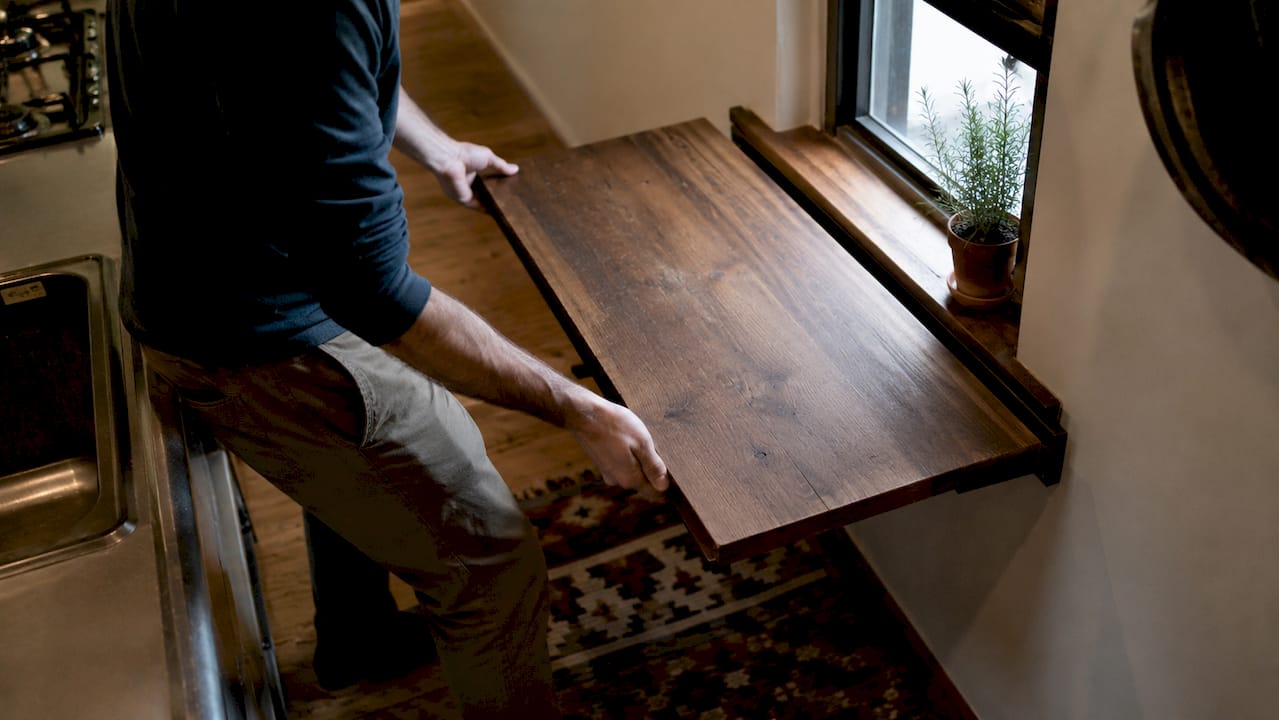
Multifunctional furniture works by collapsing multiple room functions into a single piece. Archiproducts design research shows that transformable furniture doubles the perceived usable space in a hybrid living area. That is not a styling trick. It is a structural shift in how a room operates throughout the day.
A convertible sofa becomes a guest bed at night. A storage bench at the foot of the bed holds linens and acts as a seat for putting on shoes. An extendable console table seats two for breakfast and expands to seat six for dinner. Each of these pieces replaces what would otherwise require two or three separate items.
| Furniture type | Primary use | Secondary use |
|---|---|---|
| Storage ottoman | Seating or footrest | Hidden storage for blankets or books |
| Lift-top coffee table | Coffee table | Raised work or dining surface |
| Convertible sofa | Seating | Guest sleeping area |
| Extendable console table | Narrow entryway table | Full dining or work surface |
| Wall bed with shelving | Sleeping | Bookcase or wardrobe when folded up |
Better Homes & Gardens experts also recommend full-sized versatile pieces over miniature “dollhouse-sized” furniture. Smaller items look proportional but often sacrifice durability and real utility. A full-sized storage ottoman, for example, holds far more and lasts longer than a decorative mini version.
3. Which design features create a sense of spaciousness?
The right design details make a small room feel larger without adding square footage. Visual weight is the key concept here. Furniture that looks heavy anchors the eye and makes walls feel closer. Furniture that looks light lets the eye move freely across the room.
These features reduce visual weight and open up your space:
- Exposed legs: Furniture with visible legs allows light to pass underneath, creating the optical illusion of more floor space.
- Acrylic or glass elements: Clear materials disappear visually. An acrylic chair or glass coffee table takes up physical space but almost none of your visual attention.
- Wall-mounted pieces: Floating consoles, shelves, and desks free the floor entirely, which makes the room feel less cluttered even when storage is the same.
- Mirrors paired with consoles: Mirrors combined with floating consoles visually expand compact rooms by reflecting light and creating the impression of depth.
- Low-profile sofas and beds: Keeping large pieces close to the floor draws the eye upward, making ceilings feel higher.
Pro Tip: Place a mirror directly across from your main light source, whether a window or a lamp. The reflected light makes the room feel twice as bright and noticeably larger.
Strategic use of mirrors is one of the most underused tools in small apartment design. Archiproducts notes that mirrors enhance light and depth perception in ways that no paint color or rug can replicate. Pair a large mirror with a floating console in your entryway and the effect is immediate.
4. How to choose and arrange compact furniture by room
Each room in a small apartment has different demands. The furniture you choose needs to match how you actually use that space, not just how it looks in a catalog photo.
Living room
An extendable console table is the most flexible piece you can own. It sits narrow against a wall during the day and expands for dining or work when you need it. Pair it with stackable or folding chairs that store flat. A storage ottoman replaces both a coffee table and a storage unit in one purchase.
Bedroom
Under-bed storage is the most overlooked square footage in any apartment. Beds with built-in drawers or lift-up platforms turn dead space into a full wardrobe extension. Floating nightstands free floor space and keep the room feeling open. If your bedroom doubles as an office, a wall-mounted fold-down desk disappears completely when work is done.
Kitchen and bathroom
Slim rolling carts are the best solution for narrow gaps in kitchens and bathrooms. A cart that fits between your refrigerator and the wall adds a full column of shelving without any renovation. In bathrooms, over-the-toilet shelving units and wall-mounted cabinets replace floor-standing furniture that blocks movement.
Here are practical tips for every room:
- Measure doorways before buying any large piece. A sofa that cannot enter the room is useless.
- Choose furniture with legs in the bedroom to make cleaning easier and the room feel lighter.
- Use vertical space in every room. Floor-to-ceiling shelving holds far more than a wide, low bookcase.
- Keep one clear path of at least 30 inches through every room for comfortable movement.
For more room-by-room strategies, Newwayref’s guide on small space decorating tips covers furniture placement in detail.
5. Budget-friendly and overlooked space-saving furniture options
The most expensive piece is not always the most effective. Several affordable options deliver the same utility as premium transformable furniture at a fraction of the cost.
Slim rolling carts are the best value in small apartment furniture. A narrow cart with locking wheels costs under $50 at most home goods stores and fits into gaps that no other furniture can use. It works in kitchens, bathrooms, laundry areas, and home offices.
Wall-mounted drop-leaf tables are another underused option. They fold flat against the wall and drop down to serve as a desk, dining surface, or craft table. The folded profile is just a few inches deep. When open, they provide a full work surface without occupying permanent floor space.
Pegboards are a zero-footprint storage solution. Mounted on a wall, they hold tools, kitchen utensils, office supplies, or accessories. They keep items accessible without requiring a single drawer or cabinet.
| Option | Approximate cost | Best use |
|---|---|---|
| Slim rolling cart | Under $50 | Kitchen, bathroom, office gaps |
| Wall-mounted drop-leaf table | $40–$120 | Desk or dining in tight spaces |
| Pegboard system | $20–$60 | Kitchen, garage, or office wall storage |
| Storage ottoman | $60–$200 | Living room seating and hidden storage |
| Ladder bookshelf | $50–$150 | Vertical storage in any room |
DIY options also work well for budget-conscious shoppers. A simple plank of wood mounted on wall brackets becomes a floating shelf. A wooden crate with casters becomes a rolling storage unit. These solutions cost almost nothing and can be customized to fit exact dimensions. For a broader look at storage options, Newwayref’s resource on home storage solutions covers both budget and premium choices.
Key takeaways
The most effective approach to space-saving furniture is choosing pieces that serve at least two functions, reduce visual weight, and fit the specific demands of each room.
| Point | Details |
|---|---|
| Multifunctionality is the core rule | Every piece must serve at least two purposes to justify its floor space in a small home. |
| Measure active zones, not just footprints | Allow 20–30 inches of clearance around furniture that opens, folds, or extends. |
| Visual weight affects perceived space | Exposed legs, glass, and acrylic elements make rooms feel larger without removing storage. |
| Budget options deliver real utility | Slim rolling carts and drop-leaf tables cost under $120 and outperform many premium pieces. |
| Room function drives furniture choice | Match each piece to how the room is actually used, not how it looks in a showroom. |
What I have learned from living with multifunctional furniture
I spent three years in a 420-square-foot apartment, and the biggest mistake I made early on was buying furniture that looked good in photos but ignored how I actually moved through the space. A beautiful sectional sofa that left only 18 inches of walking room taught me more about clearance than any design guide ever could.
The pieces that genuinely changed how I lived were not the most expensive ones. A wall-mounted fold-down desk gave me back my entire living room during evenings. A lift-top coffee table meant I stopped eating at my actual desk. A storage ottoman replaced three separate items and cost less than any of them individually.
The pitfall I see most often is people buying furniture based on folded dimensions without checking what happens when the piece is in use. A fold-down desk that opens into a doorway is not a space-saving solution. It is a hazard. Always simulate the full open position before you commit.
My honest recommendation: start with one multifunctional piece per room, live with it for a month, and then decide what else you need. Most people find they need less than they thought once the right pieces are in place. Experiment with placement too. Rotating a sofa 90 degrees or moving a bookshelf to a different wall can completely change how a room flows without spending a dollar.
— Enn
Transform your space with Newwayref
Newwayref offers a thoughtfully curated selection of compact and multifunctional furniture designed for real small-space living. From storage ottomans and lift-top coffee tables to slim shelving and modern accent pieces, every item in the collection is chosen for both design appeal and practical utility. Free shipping is available on orders over $50, making it easy to upgrade your space without overspending. Whether you are furnishing a studio apartment or rearranging a small bedroom, Newwayref has options that fit your layout and your budget. Explore the full collection at Newwayref and find the pieces that make your space work harder for you.
FAQ
What is the best example of space-saving furniture for a studio?
A wall bed paired with built-in shelving is the most effective single piece for a studio apartment. It reclaims the entire floor during the day and provides full sleeping space at night.
How shallow can a bookshelf be and still be useful?
Ladder-style bookshelves can be as shallow as 5.9 inches deep and still hold books, plants, and decor without blocking walking paths.
Does multifunctional furniture sacrifice quality?
Not when you choose full-sized pieces. Experts at Better Homes & Gardens recommend full-sized versatile furniture over miniature versions because they offer better durability and real storage capacity.
How much clearance do I need around furniture that folds or extends?
You need 20–30 inches of active zone clearance around any piece that opens, folds, or extends to move safely and comfortably.
Can mirrors actually make a small room feel bigger?
Yes. Mirrors paired with floating consoles reflect light and create the visual impression of depth, making compact rooms feel noticeably more open.