

TL;DR:
- Modern LED lighting offers urban homeowners energy efficiency, customizable control, and improved well-being. These systems enhance aesthetic flexibility, longevity, and can be easily integrated into rental spaces with smart controls. Thoughtful layered lighting design promotes comfort, mood, and visual harmony in compact city apartments.
Walk into any lighting store or browse any home decor website, and you’ll face an immediate wall of options: LED panels, smart bulbs, pendant fixtures, tunable strips, and everything in between. For urban homeowners and renters working with compact apartments and limited natural light, choosing the right lighting system is one of the highest-impact decisions you can make. Modern lighting does far more than replace a burned-out bulb. It shapes your mood, stretches your space visually, trims your energy bill, and supports your sleep. This article breaks down the real, evidence-backed reasons to make the switch.
Table of Contents
- Understanding the shift: Why modern lighting matters
- Top benefits of modern lighting solutions
- Health and well-being: Lighting’s hidden impact
- Smart features and personalization: Next-level convenience
- Design harmony: Merging aesthetics with well-being
- Why urban homes need nuanced lighting design—our take
- Upgrade your space with the best in modern lighting
- Frequently asked questions
Key Takeaways
| Point | Details |
|---|---|
| Save energy and money | Switching to modern lighting can cut your energy use and lower bills dramatically. |
| Boost well-being at home | LED lighting helps support better sleep, focus, and mental health in urban spaces. |
| Personalize your lighting | Smart controls let you tailor brightness and color for mood and activity throughout the day. |
| Enhance style and ambiance | Modern fixtures and dynamic designs make your home look and feel more inviting. |
Understanding the shift: Why modern lighting matters
Not all lighting upgrades are created equal. When we talk about modern lighting, we mean fixtures and systems built around LED technology, smart controls, and tunable color temperatures. These are a significant step beyond the incandescent bulbs most of us grew up with and the fluorescent tubes that still flicker in many older apartments.
Incandescent bulbs work by heating a wire filament until it glows. It’s simple, but wildly inefficient since about 90% of the energy goes out as heat, not light. Fluorescent tubes improved on that but introduced their own problems: harsh flicker, color rendering issues, and slow warm-up times. Modern LED fixtures, by contrast, produce light through a semiconductor process that wastes very little energy.
Modern LED lighting consumes up to 85% less energy than incandescents and 50% less than fluorescents, making it a practical necessity for urban dwellers watching their utility bills.
Here’s what sets modern lighting apart:
- LED technology converts electricity to light with minimal heat loss
- Tunable color temperature lets you shift from warm white (2700K) to cool daylight (6500K) based on activity or time of day
- Smart controls connect to your phone or voice assistant for scheduling, dimming, and scene-setting
- Compact fixture design works in small apartments where ceiling height and floor space are limited
- Instant full brightness with no warm-up delay, unlike older fluorescent lights
If you want to stay current on what’s available right now, check out the latest lighting trends shaping urban interiors this year. And if you’re still getting familiar with the basics, modern lighting explained is a solid place to start.
“The shift to LED-based modern lighting isn’t just about saving energy. It’s about gaining control over your environment in ways that older lighting systems simply couldn’t offer.”
Top benefits of modern lighting solutions
Now that you understand why modern lighting is gaining traction, let’s break down its most impactful benefits for your space.
Energy savings you’ll actually notice
The math is straightforward. Replacing ten 60-watt incandescent bulbs with LED equivalents in a one-bedroom apartment can cut lighting energy use by more than 80%. Over a year, that adds up to real money, especially in cities where electricity rates tend to run higher than the national average.
Long lifespan means fewer replacements
LEDs last between 25,000 and 50,000 hours, compared to just 1,000 hours for a standard incandescent. For a renter who doesn’t want to deal with frequent maintenance or a homeowner managing multiple rooms, that difference is significant. You’re not just saving on the bulb itself; you’re saving time, effort, and the cost of replacement bulbs over years of use.
Aesthetic flexibility for every room
Modern lighting gives you creative control. Pendant lights over a kitchen island, adjustable floor lamps in a reading corner, and LED strip lighting under a media console can all work together to create distinct zones within one open-plan space. That layered approach, which you can learn more about in our guide to arranging lighting for style and function, makes small urban apartments feel intentional and polished.
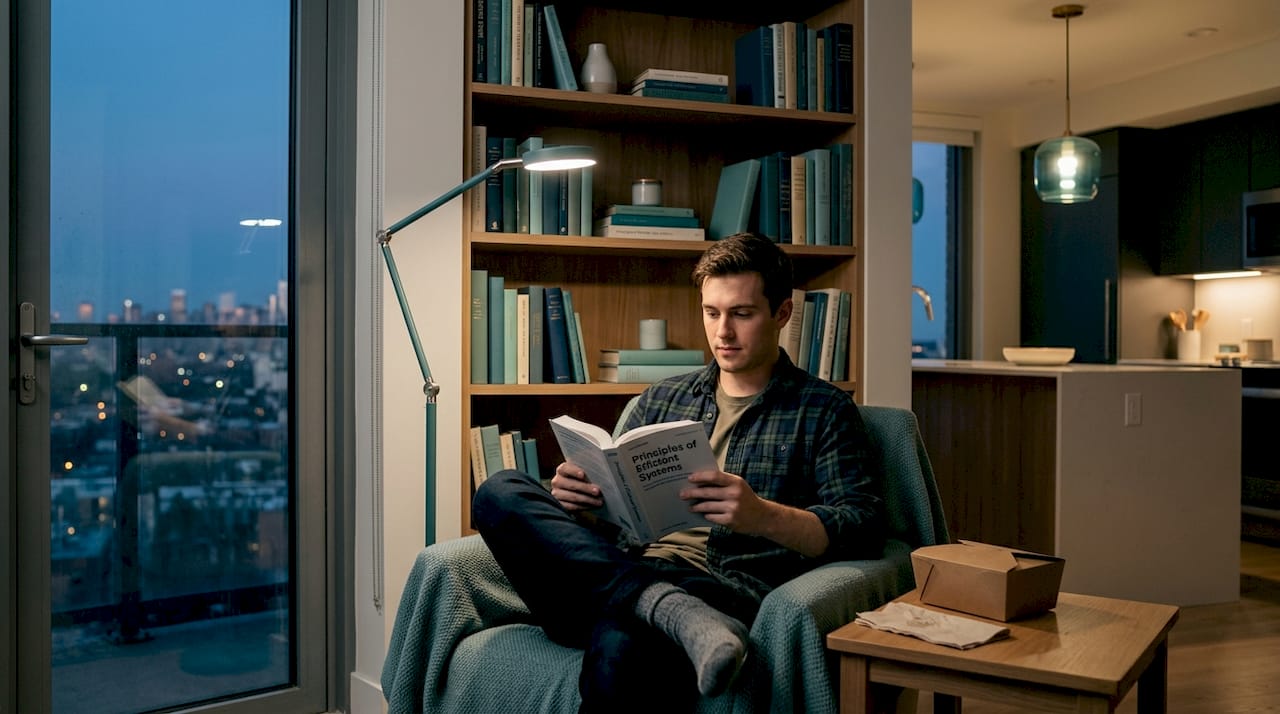
Here’s a quick comparison to put the key differences in perspective:
| Feature | Incandescent | Fluorescent | Modern LED |
|---|---|---|---|
| Energy use | High | Moderate | Very low |
| Lifespan (hours) | ~1,000 | ~8,000 | 25,000–50,000 |
| Color temperature control | Fixed | Limited | Full range |
| Smart control compatible | No | Rarely | Yes |
| Heat output | Very high | Moderate | Low |
| Dimmable options | Limited | Rarely | Widely available |
Pro Tip: If you’re starting from scratch, use our lighting selection guide to match fixture types to specific rooms before you buy anything. It saves time and avoids costly mismatches.
Health and well-being: Lighting’s hidden impact
Beyond style and utility, lighting can directly affect how you feel day-to-day.
Urban apartments, especially those on lower floors or in dense building clusters, often get minimal sunlight. Your body depends on light cues to regulate its internal clock, known as the circadian rhythm. When natural light is limited, your lighting choices become even more important for maintaining energy, mood, and sleep quality.
Research backs this up clearly. LED task lighting at 4000K significantly improves sleep quality in windowless environments, reducing scores on the Pittsburgh Sleep Quality Index by approximately 0.91 points. That’s a measurable, real-world improvement simply from changing the type and color temperature of light in a workspace or bedroom.
There’s also emerging research on the specific spectrum of light that LEDs emit. Phosphor-free white LEDs rich in 535 to 589 nanometer yellow-green wavelengths improve ocular function and melatonin secretion more effectively than standard LEDs or full-spectrum lamps. This is relevant if you spend long hours at home working or reading under artificial light.
Here’s a simple breakdown of how to apply lighting for health through your day:
- Morning (6:00–9:00 AM): Use cool white LEDs at 5000K to 6500K to signal wakefulness to your body and boost alertness before work.
- Midday (9:00 AM–3:00 PM): Maintain neutral white (4000K) in your workspace to support focus and reduce eye fatigue.
- Late afternoon (3:00–6:00 PM): Begin transitioning to warm white (3000K) if you work from home, easing the transition toward evening.
- Evening (6:00–9:00 PM): Switch to warm amber tones (2700K) to signal your body that rest is approaching.
- Bedtime routine: Dim all lights to the lowest setting or use a dedicated low-level nightlight to support natural melatonin production.
This kind of intentional scheduling is straightforward to set up and makes a real difference in how well you sleep and how alert you feel. Our guide on lighting and mood goes deeper into the connection between light choices and your emotional state throughout the day.
Pro Tip: Place a smart warm-white LED lamp on your nightstand and set it to dim automatically at 8:30 PM. That one change can meaningfully improve your wind-down routine without any effort after setup. For more practical ideas, see our lighting tips for small spaces tailored to urban apartments.
“For urban residents without access to abundant natural light, the right LED lighting isn’t a luxury. It’s a practical tool for protecting both sleep and mental clarity.”
Smart features and personalization: Next-level convenience
Now, let’s look at how modern lighting adapts to your lifestyle for maximum comfort.
The biggest leap from a standard LED bulb to a truly modern lighting setup is the addition of smart controls. These systems connect via Wi-Fi or Bluetooth to an app on your phone, and many also integrate with Amazon Alexa, Google Home, or Apple HomeKit. You can control your entire home’s lighting without touching a switch.
Smart controls and tunable white LEDs enable dynamic adjustment that mimics natural light cycles, optimizing energy use and human-centric comfort in urban settings. That means your lights can automatically shift color temperature and brightness as the day progresses, without you ever lifting a finger.
Here’s what smart lighting features can do for your space:
- Scheduling: Set lights to turn on and off at specific times, which also acts as a basic security feature when you’re away from home
- Geofencing: Some systems detect when you leave or return home and adjust lighting automatically
- Scene modes: Save preset combinations, like “movie night” or “dinner party,” and activate them with a single tap
- Voice control: Hands-free adjustments while cooking, working out, or getting ready in the morning
- Energy monitoring: Some smart hubs show you real-time electricity use, helping you identify which lights are running unnecessarily
- Remote access: Check or adjust your home’s lights from anywhere, which matters for renters who travel
For renters especially, smart lighting is a particularly smart investment. You’re not rewiring anything or making permanent changes. Smart bulbs screw into standard sockets, and smart plugs work with existing lamps. When you move, your entire lighting system comes with you. To understand what’s available in this category, our guide on smart lighting features covers the major options and what to look for.
Pro Tip: Start with one room, typically the living room or bedroom, and get comfortable with the app and controls before expanding to your whole home. It’s easier to build a system gradually than to configure everything at once.
Design harmony: Merging aesthetics with well-being
Finally, let’s explore how modern lighting can help you create inviting and healthy spaces.
A common mistake in urban home lighting is defaulting to uniform brightness everywhere. One bright ceiling light flooding the entire room might feel practical, but research tells a different story. Excessive uniform bright lighting causes cognitive fatigue and disrupts circadian rhythms, while subtractive designs that use shadows and varied light levels actually enhance intimacy and support mental health in urban homes.
This is where layered lighting design becomes essential. Instead of relying on a single overhead source, you build a room’s lighting from multiple layers:
- Ambient lighting: The base layer, providing general illumination without harsh shadows. Think recessed LEDs or a central pendant on a dimmer.
- Task lighting: Directed light for specific activities like reading, cooking, or working. A desk lamp or under-cabinet strip light handles this.
- Accent lighting: Used to highlight artwork, shelving, or architectural features. LED spotlights or picture lights work well here.
- Decorative lighting: Fixtures that serve as visual elements in their own right. A sculptural floor lamp or a string light installation adds personality.
When these layers work together, your apartment feels larger, warmer, and more intentional. You can also use lighting to visually zone an open-plan space, separating a dining area from a living area without any physical partition. Our guide to lighting and ambiance in interiors shows exactly how this works with real-room examples.
“A well-lit room isn’t always the brightest one. Strategic shadow and contrast are design tools as powerful as any fixture or finish.”
Why urban homes need nuanced lighting design—our take
Here’s our honest perspective after working through the research and hearing from urban homeowners and renters: most people overbuy brightness and underbuy control.
When people upgrade their lighting, the instinct is to go brighter. Brighter feels like progress. It feels clean and modern. But in a 600-square-foot apartment, a 1200-lumen overhead LED with no dimmer creates an almost clinical atmosphere that’s hard to relax in. More lumens do not equal a better living space.
What actually transforms a compact city home is the combination of layered sources, dimming capability, and warm color temperatures in the evening. You don’t need the most powerful bulb. You need the right bulb in the right place at the right brightness for the right moment. That’s a fundamentally different way of thinking about lighting, and it’s one that pays off in how comfortable your home actually feels to live in.
We’ve also noticed that renters often think smart lighting is out of reach, either too expensive or too complicated. That’s no longer true. Entry-level smart bulbs start under $15, and a two-bulb starter kit for a bedroom can transform your evening routine in one afternoon. The key is starting with one zone and building confidence before expanding. Our guide to lighting small spaces gives you a practical roadmap for doing exactly that.
The broader lesson: don’t approach your lighting upgrade as a one-time swap. Think of it as building a system you’ll adjust over time as your routines, furniture, and needs evolve. Modern lighting is flexible enough to grow with you.
Upgrade your space with the best in modern lighting
You now have a clear picture of what modern lighting can do for your home, from energy savings and longer bulb life to better sleep, smarter design, and a more comfortable daily environment. The next step is finding the right fixtures and solutions to bring these benefits into your specific space.
At newwayref.store, we’ve curated a thoughtful selection of modern lighting options that blend style, efficiency, and functionality. Whether you’re furnishing a studio apartment or refreshing a multi-room home, our collection is designed to help you build a lighting system that works for your lifestyle. Browse our full range of lighting solutions and find fixtures that match your space, your aesthetic, and your budget. Free shipping on orders over $50 makes it easy to get started today.
Frequently asked questions
Do modern LED lights really lower my power bill?
Yes, LEDs consume up to 85% less energy than incandescents and last far longer, which cuts both your monthly power bill and the ongoing cost of buying replacement bulbs.
Can changing lighting really help my sleep in a windowless apartment?
Absolutely. LED task lighting at 4000K has been shown to measurably improve sleep quality in windowless urban environments, making it one of the most practical upgrades for city apartments with limited natural light.
Are smart lighting systems difficult to install in rental apartments?
Most smart lighting systems use standard bulb sockets and connect via Wi-Fi or Bluetooth, requiring no rewiring or permanent changes. Renters can set up and take down these systems without affecting the apartment.
Is there a lighting option that mimics natural daylight best for city spaces?
Tunable white LEDs with smart controls can dynamically shift color temperature throughout the day to closely replicate natural daylight cycles, giving city residents a healthier indoor light environment even without windows.