

TL;DR:
- Home improvement trends for 2026 emphasize wellness spaces, natural textures, and warm earthy colors. Homeowners are prioritizing functional, tactile, and sustainable designs in kitchens, bathrooms, and living areas. Focusing on strategic upgrades and budgeting wisely for labor costs is essential for successful renovation projects this year.
The top home improvement trends 2026 center on wellness spaces, tactile natural materials, and curved architectural details that prioritize comfort over cold minimalism. Half of all U.S. homeowners plan to renovate in 2026, with kitchens and bathrooms leading the charge. Redfin frames this year’s design direction as warmth, personalization, and sustainability over highly polished perfection. Whether you are planning a full kitchen overhaul or a single-room refresh, these trends give you a clear, data-backed roadmap for where to put your money and your energy.
1. Top home improvement trends 2026: wellness rooms and spa retreats
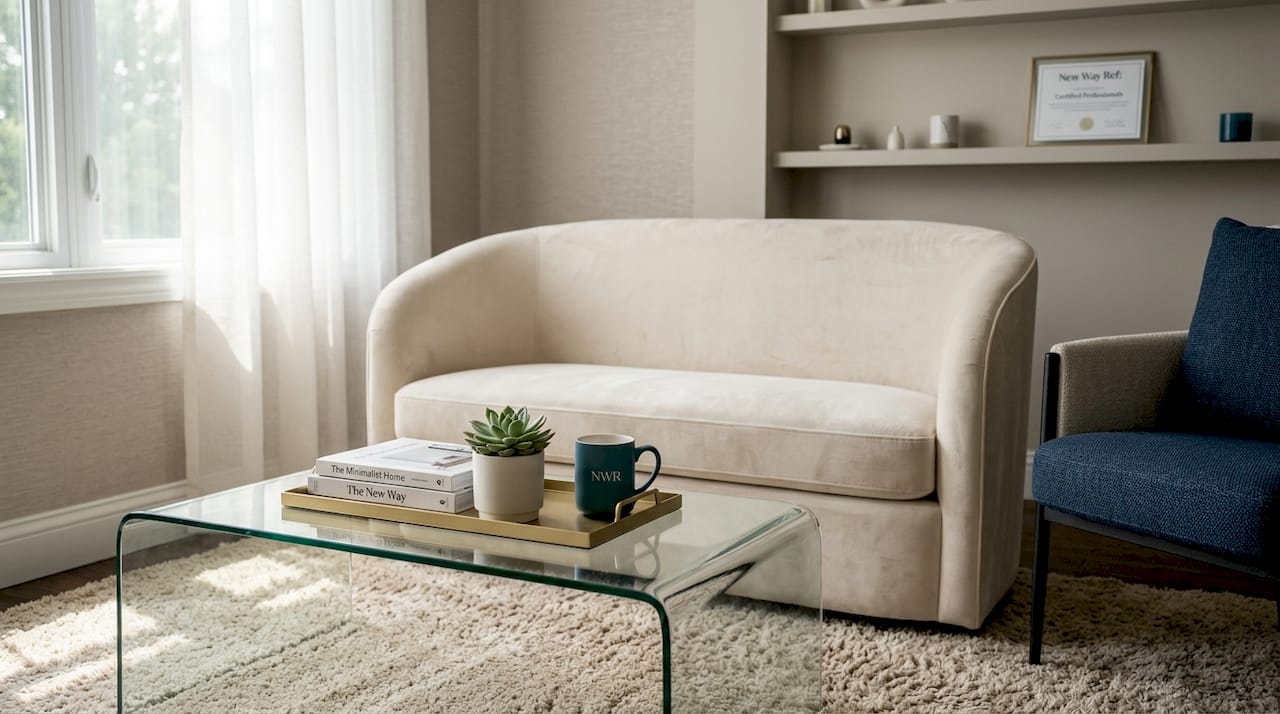
Wellness-centered design is the defining shift in home renovation ideas 2026. Wellness room searches rose 164%, spa-related searches climbed 68%, and biophilic design interest jumped 112% according to Houzz’s 2026 Emerging Summer Trends Report. That level of search growth signals a genuine behavioral shift, not a passing aesthetic preference.
Homeowners are converting spare bedrooms into home gyms, sensory rooms, and yoga studios. The layouts prioritize natural light, sound dampening, and materials that feel calming to the touch. Linen curtains, cork flooring, and matte stone surfaces appear repeatedly in these spaces because they reduce visual noise and support a quieter atmosphere.
The performance details matter as much as the finishes. Wellness rooms and spa bathrooms often underestimate the need for proper waterproofing, ventilation, and slip-resistant surfaces beneath the visible design layer. Getting those fundamentals right protects your investment and makes the space actually functional, not just photogenic.
- Add a dedicated wellness corner with a meditation mat, soft lighting, and a small water feature
- Choose non-toxic, low-VOC paints and finishes to support air quality
- Install radiant floor heating in spa bathrooms for year-round comfort
- Use biophilic design elements like living walls or potted plants to connect the space to nature
Pro Tip: Invest in a quality exhaust fan rated for your bathroom’s square footage before choosing any tile or fixture. Poor ventilation destroys finishes and creates mold problems that cost far more to fix than the fan itself.
2. Curved and rounded design elements
Curved architecture is one of the most visually striking future home design trends gaining traction right now. Scalloped tile searches grew more than three times over the previous year, arched range hood searches rose 177%, and curved staircase interest climbed 66%. These numbers reflect a clear departure from the sharp-edged, grid-based interiors that dominated the previous decade.
Wave tiles, scalloped backsplashes, arched doorways, and curved kitchen islands all soften a room’s energy without sacrificing a modern sensibility. The effect is a space that feels dynamic and considered rather than rigidly geometric. Curved sofas and rounded coffee tables from retailers like Newwayref translate this architectural trend directly into your furniture choices without requiring a contractor.
“Curved elements add softness and movement to a room. They work best when concentrated at one or two focal points rather than applied everywhere, which can make a space feel chaotic.” — Design insight from Houzz’s 2026 Emerging Summer Trends Report
Contractors note that curved architectural elements require more shop time and tighter tolerances than straight-line work. Limiting curves to focal points, such as a single arched doorway or a scalloped tile feature wall, keeps the look intentional and the build cost manageable. Trying to curve every surface in a room inflates both the budget and the timeline.
- Scalloped or wave-pattern tiles for kitchen backsplashes and bathroom feature walls
- Arched doorways or arched mirror frames as low-cost focal points
- Curved sofas and rounded accent chairs for living rooms
- Kidney-shaped or oval coffee tables to replace rectangular centerpieces
3. Natural materials and warm earthy color palettes
Natural textures and warm tones are the backbone of popular interior design trends in 2026. Sandstone searches rose 257%, rust color interest climbed 178%, and chocolate brown searches increased 153%. These are not subtle shifts. They represent a wholesale move away from stark white interiors toward spaces that feel warm, collected, and lived-in.
Designer Kendra Sinclair, quoted in Veranda’s 2026 renovation report, identifies layered tactile materials including plaster, limewash, tapestries, and wood panels as central to this year’s aesthetic. The goal is depth and texture rather than surface gloss. A limewash wall reads completely differently at different times of day, which gives a room a sense of life that flat paint simply cannot replicate.
Pro Tip: Layer two or three textures within the same warm palette rather than mixing multiple color families. Pair sandstone-toned linen wallpaper with a chocolate brown sofa and a rust ceramic lamp for a cohesive, grounded look that photographs well and ages gracefully.
| Trending material | Best application | Color pairing |
|---|---|---|
| Sandstone tile | Bathroom floors, kitchen backsplash | Warm white, terracotta |
| Linen wallpaper | Bedroom accent wall, dining room | Chocolate brown, rust |
| Limewash paint | Living room feature wall | Sage green, warm cream |
| Seagrass wallcovering | Entryway, home office | Natural wood, matte black |
| Reclaimed wood panels | Kitchen island cladding, TV wall | Rust, deep olive |
Sustainability runs through this entire material direction. Seagrass, reclaimed wood, and natural plaster are all lower-impact choices compared to synthetic finishes, which aligns with the sustainable home improvements direction many homeowners are prioritizing in 2026. The trend toward natural materials is not just aesthetic. It reflects a genuine shift in values.
4. Kitchen renovations: still the top investment
Kitchens lead all renovation categories, with 26% of homeowners tackling kitchen projects in 2025 and that figure holding steady into 2026. The median kitchen spend reached $24,000, which makes it the single largest renovation investment most homeowners will make. That level of spending demands careful planning and clear priorities.
The most popular kitchen upgrades combine functional improvements with the warm, textured aesthetic described above. Shaker cabinets in deep greens and warm browns are replacing white and gray. Curved kitchen islands, unlacquered brass hardware, and stone countertops in sandstone or warm limestone tones dominate the best home upgrades 2026 lists from designers and renovation platforms alike. For a deeper look at what is driving these choices, Newwayref’s guide on kitchen decor trends 2026 breaks down the specific style and material shifts in detail.
- Cabinet colors: deep forest green, warm navy, terracotta, and chocolate brown
- Hardware: unlacquered brass, aged bronze, and matte black
- Countertops: warm limestone, sandstone, and honed quartzite
- Lighting: statement pendants in organic shapes and warm-toned bulbs
Gen Z homeowners are increasingly active in this space, often tackling laundry rooms, closets, and secondary bathrooms alongside kitchens. This generational shift means renovation activity is spreading beyond the traditional primary spaces, which keeps overall project volume high even as median budgets tighten slightly.
5. Bathroom upgrades: primary and guest baths
Bathrooms rank just behind kitchens as renovation priorities, with guest bathrooms at 25% and primary bathrooms at 23% of homeowners renovating. Median spend sits at $15,000 for primary baths and $7,000 for guest baths. Those figures reflect a market where homeowners are spending meaningfully but with more discipline than in previous years.
The spa bathroom concept is the dominant design direction. Walk-in showers with large-format stone tiles, freestanding soaking tubs, and heated floors define the high end. At more accessible price points, homeowners are swapping builder-grade vanities for furniture-style pieces, adding warm-toned lighting, and replacing chrome fixtures with brushed brass or matte black alternatives. These changes cost a fraction of a full renovation but deliver a significant visual upgrade.
Lighting deserves special attention in bathroom renovations. The shift toward warm, layered lighting, including sconce lighting at mirror height and dimmer-controlled overhead fixtures, transforms how a bathroom feels at different times of day. Newwayref’s overview of modern lighting trends covers the specific fixture styles gaining traction in 2026 bathrooms and living spaces.
6. How to modernize your home on a tighter budget
Knowing how to modernize your home in 2026 means understanding where costs are actually going. Labor now accounts for 50 to 60% of total renovation costs, up from 40 to 50% five years ago. That single shift changes the math on almost every project. More of your budget goes to the contractor, which means less flexibility on materials and finishes.
Scheduling bottlenecks compound the problem. Trade availability is the primary driver of project delays, and delays almost always increase costs. Locking your scope and securing your contractor before you finalize material selections is the most practical step you can take to protect your budget. Choosing a custom curved staircase before you have a confirmed contractor and timeline is a reliable way to overspend.
- Define your project scope completely before contacting contractors
- Get three quotes and check availability before committing to a start date
- Choose trend-aligned materials that are in stock locally, not special-order items
- Reserve 15 to 20% of your budget for unforeseen structural or mechanical issues
- Consider DIY for cosmetic tasks like painting, hardware swaps, and wallpaper installation
Credit card use for renovation payments rose to 34% of homeowners, a 5% increase year over year. That trend signals tighter cash positions across the market. If you are financing any portion of your renovation, factor the carrying cost into your total project budget from day one.
Pro Tip: Swap cabinet hardware, light fixtures, and faucets before committing to a full renovation. These three changes alone can shift a kitchen or bathroom from dated to current for under $500, and they give you a clear picture of which direction you want to take a larger project.
Key takeaways
The top home improvement trends for 2026 reward homeowners who prioritize wellness, natural materials, and disciplined budgeting over chasing every trend at once.
| Point | Details |
|---|---|
| Wellness spaces lead demand | Wellness room searches rose 164%; prioritize ventilation and waterproofing alongside finishes. |
| Natural textures dominate | Sandstone, linen, and limewash replace stark white; layer textures within one warm palette. |
| Kitchens remain top investment | Median kitchen spend reached $24,000; focus on cabinet color, hardware, and countertop upgrades. |
| Labor costs have shifted | Labor now takes 50 to 60% of renovation budgets; lock scope early to protect your timeline. |
| Curved details add impact | Limit curves to one or two focal points for buildability and visual coherence. |
What I have learned from watching these trends play out
The data for 2026 is unusually consistent. Wellness, warmth, and texture are not competing directions. They reinforce each other, and that coherence makes this a genuinely good year to renovate if you approach it with a clear plan.
What I find most interesting is the shift away from the “perfect white box” aesthetic that dominated the 2010s. Homeowners are actively choosing materials that show age gracefully, like limewash walls and unlacquered brass, rather than finishes that look pristine on day one and tired by year three. That is a more mature relationship with design, and it tends to produce spaces that hold their value better.
The budget picture requires honesty. Labor costs are not coming down. If you are planning a renovation in 2026, the most expensive mistake you can make is underestimating trade costs and overcommitting to custom finishes before you have confirmed contractor availability. I have seen beautifully planned projects stall for months because the homeowner selected a custom curved island before securing a cabinetmaker with the capacity to build it.
My practical advice: pick two or three trends from this list that genuinely reflect how you live, not just what photographs well. A wellness corner in your bedroom costs far less than a full spa bathroom and delivers real daily value. Texture and warm color can be introduced through furniture and soft goods before you commit to a full renovation. Start there, see what resonates, and build from a foundation of what actually improves your daily experience at home.
— Enn
Bring 2026’s best trends into your home with Newwayref
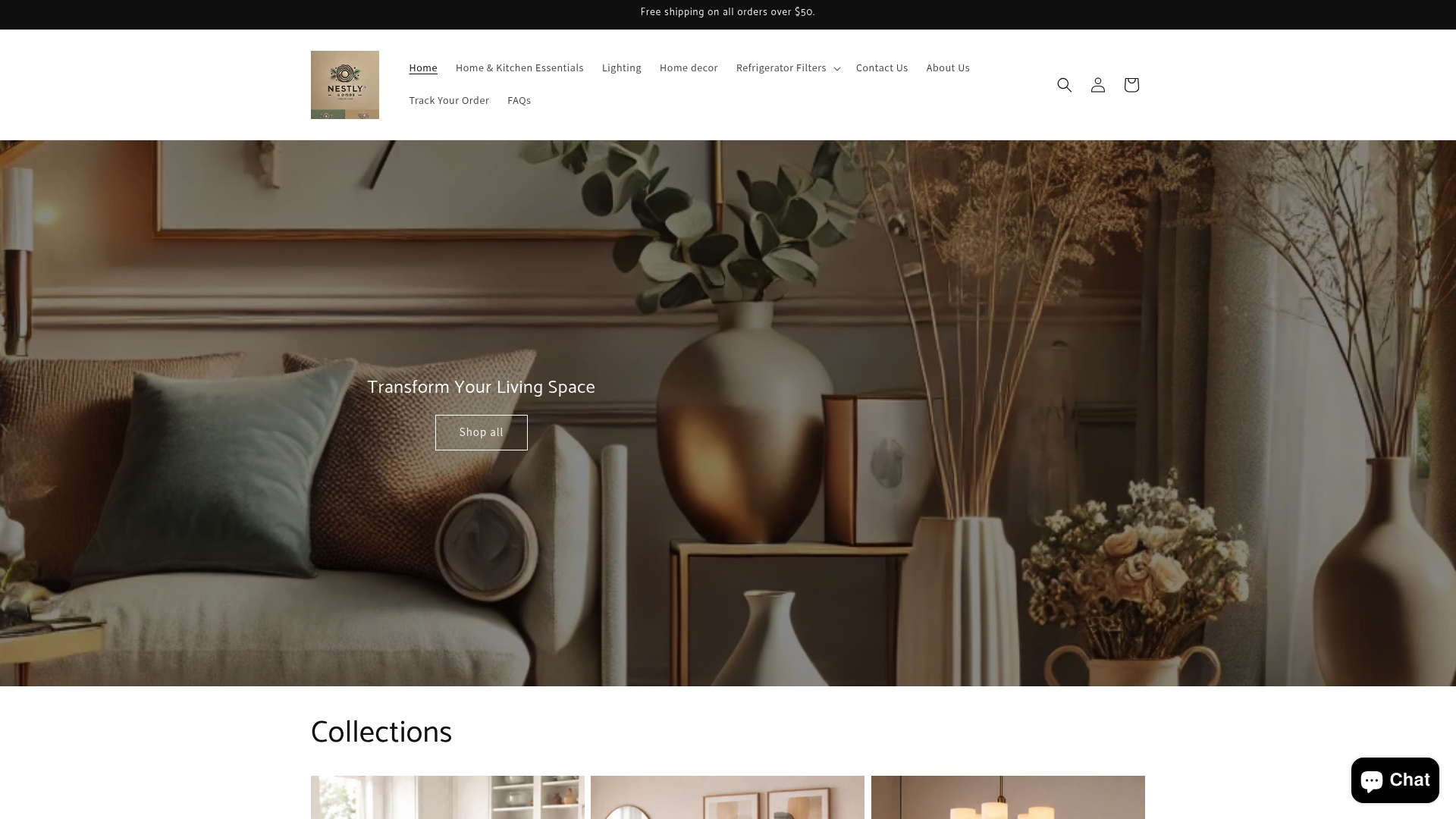
The trends shaping 2026 renovations, curved furniture, warm earthy tones, and tactile natural finishes, are all accessible without a full contractor project. Newwayref’s curated product selection covers the furniture and decor pieces that bring these directions to life in your space. From rounded sofas and organic-shaped coffee tables to warm-toned lighting and natural-finish accessories, you will find pieces that align directly with what is trending this year. Browse the full Newwayref collection to find trend-right pieces with free shipping on orders over $50. Your next upgrade is closer than you think.
FAQ
What are the top home improvement trends for 2026?
The top trends for 2026 are wellness rooms, curved and rounded design elements, natural textures like sandstone and linen, and warm earthy color palettes including rust and chocolate brown. Kitchens and bathrooms remain the most renovated spaces.
How much should I budget for a kitchen renovation in 2026?
The median kitchen renovation spend reached $24,000 in 2025 and holds at a similar level in 2026. Budget an additional 15 to 20% for unforeseen structural or mechanical issues.
What colors are trending in home interiors for 2026?
Rust, chocolate brown, sandstone, and warm cream tones are the dominant trending color palettes for 2026, replacing the cool grays and stark whites that defined the previous decade.
Are wellness rooms worth the renovation investment?
Wellness room search interest rose 164% in 2026, reflecting strong demand. The investment pays off most when you address performance details like ventilation and waterproofing alongside the visible finishes.
How can I update my home without a full renovation?
Swap cabinet hardware, light fixtures, and faucets for an immediate visual upgrade under $500. Adding natural-texture soft goods like linen cushions, seagrass rugs, and warm-toned ceramics delivers the 2026 aesthetic without structural work.