

TL;DR:
- A modern NYC living room balances multifunctional furniture, architectural features, and edited decor to maximize small spaces. Renters can achieve this look through non-permanent upgrades like peel-and-stick tiles, layered lighting, and vintage furniture. Proper scaling, natural light, and a neutral palette with texture create a calm, cohesive environment that feels intentional.
A modern NYC living room is a carefully curated space that merges multifunctional furniture, contemporary minimalism, and the city’s rich architectural heritage to make every square foot count. For city dwellers and young professionals navigating compact apartments, this design approach is not optional. It is the only practical way to live well in New York. The standard industry term for this approach is “small-space contemporary design,” and it covers everything from flexible furniture layouts to intentional color palettes that keep tight rooms feeling open and calm.
What is a modern NYC living room, really?
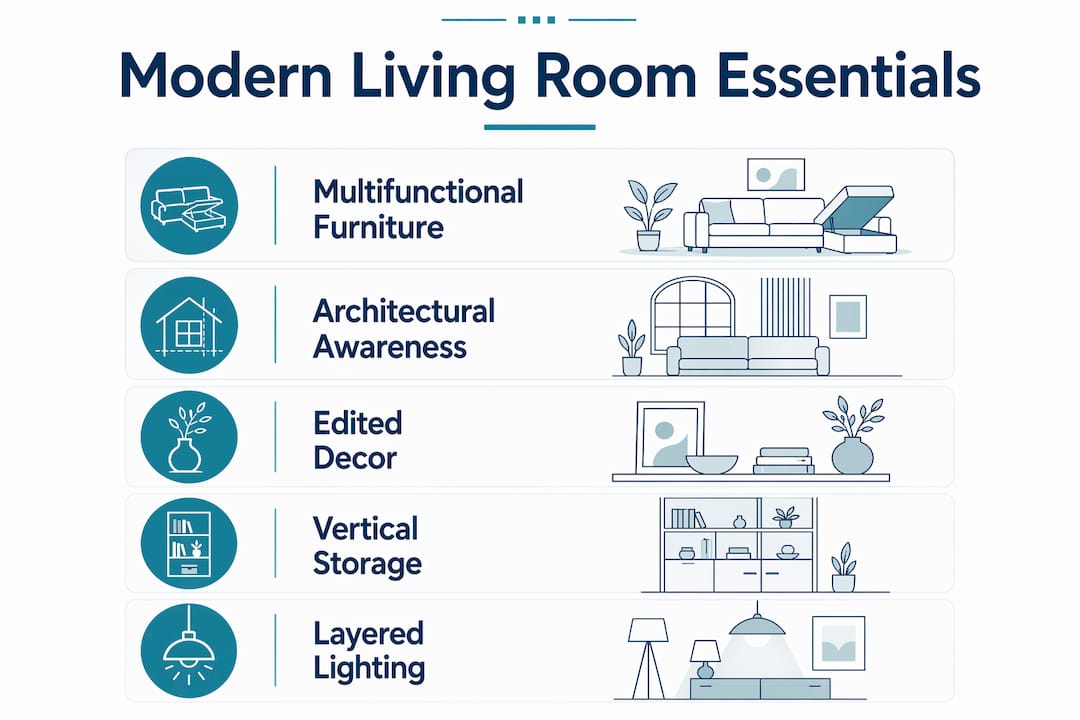
A modern NYC living room is defined by three non-negotiable qualities: multifunctionality, architectural awareness, and edited decor. Every piece of furniture must earn its place. Every surface must serve a purpose. The result is a room that feels both stylish and genuinely livable, not just photogenic.
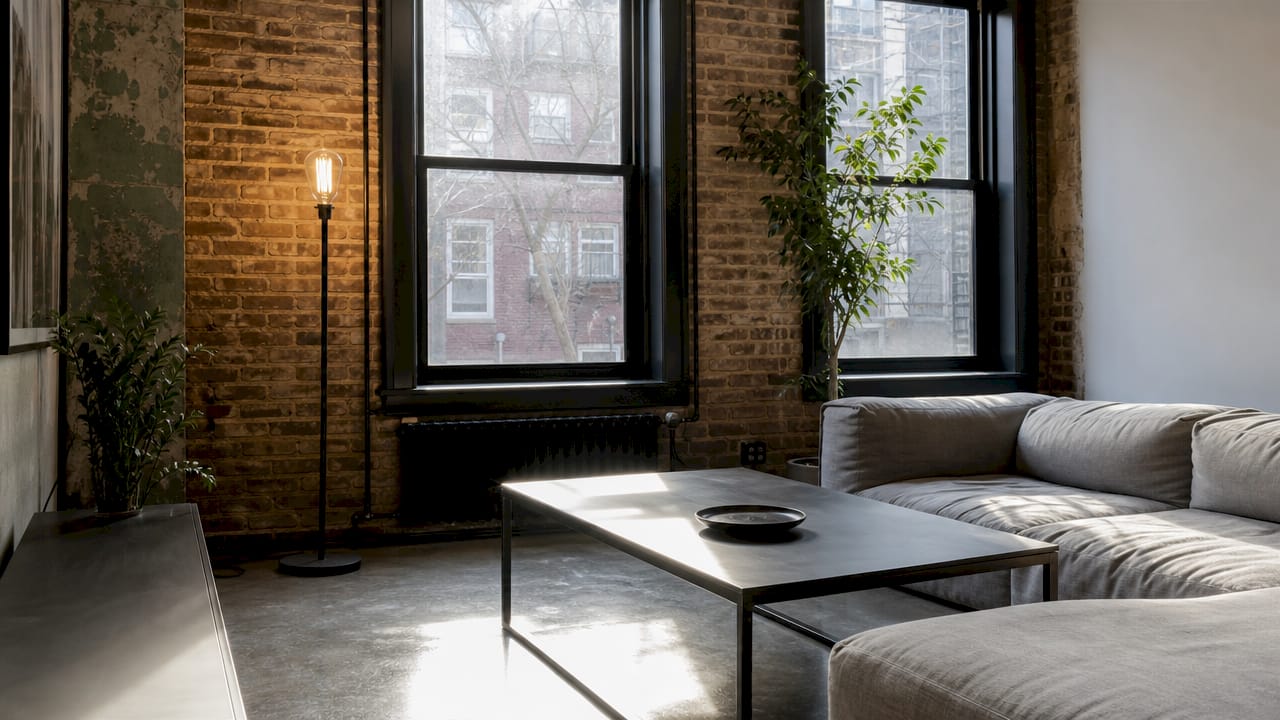
Pre-war buildings across Manhattan and Brooklyn give many apartments exposed brick, parquet floors, and arched doorways. Modern interior design in NYC works with those features, not against them. Designers pair clean-lined contemporary furniture with traditional textures to create a look that feels grounded and current at the same time.
The third quality, edited decor, separates good NYC living rooms from great ones. Interior designer Mike Rupp describes the goal as treating decor like storytelling, where every object contributes to the narrative and “shouting” pieces get edited out for harmony. The room should feel like a deep exhale, not a showroom.
How to maximize space with multifunctional furniture and hidden storage
Space is the defining constraint of NYC apartment living. Successful small-space renovations in New York consistently rely on multifunctional furniture to make rooms serve more than one purpose without feeling crowded.
The most effective furniture choices for a compact living room include:
- Murphy beds with integrated shelving that convert a living room into a guest room overnight
- Partition walls with built-in storage that divide open-plan spaces while adding hidden cabinet space
- Storage ottomans and lift-top coffee tables that replace single-purpose pieces with dual-function alternatives
- Custom dining banquettes with built-in drawers that optimize seating and storage in one footprint
Vertical storage is equally critical. Floor-to-ceiling shelving units and custom millwork behind architectural features keep clutter off surfaces while maintaining visual flow. When walls work as hard as floors, the room breathes.
The most common mistake NYC renters make is choosing furniture that is too small. Undersized sofas and tiny rugs make a room feel more cramped, not less. Correctly scaled anchor pieces define zones and give the eye a place to rest. Designers recommend placing the front legs of your sofa on the area rug to anchor the furniture grouping and signal that the space is intentional.
Pro Tip: Measure your room before buying any sofa. A sectional that fits a 12-by-18-foot room will overwhelm a 10-by-14-foot space. Scale is everything in a small NYC apartment.
How do historic architectural features blend with modern minimalist design?
Pre-war NYC buildings offer details that most new construction cannot replicate. Exposed brick, herringbone parquet floors, plaster crown molding, and arched doorways are assets, not obstacles. The key is knowing how to edit them so they enhance the room rather than compete with it.
Here is a practical approach to blending old and new in a modern NYC living room:
- Keep one dominant historic feature per room. If exposed brick is your focal wall, paint the remaining walls a warm neutral so the brick reads as intentional, not accidental.
- Choose furniture with clean lines. Mid-century modern sofas and low-profile credenzas sit comfortably alongside traditional moldings without visual conflict.
- Add industrial accents selectively. A matte black floor lamp or a raw steel side table nods to the city’s industrial past without overwhelming softer textures.
- Let natural light lead. Trim back heavy window treatments to let light hit parquet floors and brick walls. Both materials look richer in natural light.
- Use rugs to separate eras. A geometric wool rug grounds contemporary furniture while creating a visual boundary between modern pieces and original hardwood floors.
The contrast between old and new is what gives a modern NYC living room its character. The goal is not to erase history but to frame it.
| Design element | Historic approach | Modern minimalist approach |
|---|---|---|
| Exposed brick | Left raw, dominant | Used as one accent wall, balanced with neutral paint |
| Parquet floors | Covered with wall-to-wall carpet | Exposed, paired with a single area rug |
| Crown molding | Painted in contrasting trim color | Painted same tone as ceiling to recede |
| Arched doorways | Fitted with heavy curtains | Left open to improve flow and light |
Renter-friendly upgrades and budget-conscious styling tips
Renters in NYC face a real constraint: no permanent modifications. That rules out painting walls, installing built-ins, or changing fixtures without landlord approval. The good news is that the most effective modern upgrades require none of those things.
Practical renter-friendly updates that work in any NYC apartment include:
- Peel-and-stick tiles for kitchen or bathroom-adjacent walls that add texture without damage
- Battery-operated LED strip lights and plug-in sconces that create layered lighting without rewiring
- Large area rugs that zone open-plan spaces and add warmth to cold hardwood or tile floors
- Removable wallpaper in geometric or botanical patterns that add personality without permanent commitment
- Freestanding shelving units that provide vertical storage and display space without wall anchors
Budget is another real constraint. Vintage furniture restoration can cost as little as $300, making secondary marketplaces like estate sales, local consignment shops, and online resale platforms a practical source for quality pieces. A well-made vintage armchair or credenza adds character that flat-pack furniture rarely achieves.
Pro Tip: Layer your lighting. Use a floor lamp, a table lamp, and battery-operated candles or LED strips to create three levels of light. A single overhead fixture makes any room feel like a waiting room.
The goal for renters is to create a space that feels permanent and personal without making permanent changes. Thoughtfully curated furniture and lighting do that work without a single nail hole.
What color palettes and textures create a calm, cohesive modern ambiance?
Color is the fastest way to change how a room feels. In a modern NYC living room, the most effective palettes are neutral and muted, with texture doing the heavy lifting.
“Synthesizing diverse styles with intentional color blocking balances elegance and comfort.” Studio Zuchowicki’s Manhattan high-rise design blended Swedish Deco, American Deco, and Midcentury styles using cohesive color-blocked themes to achieve a look described as “handsome, soft, and elegant.”
That approach translates directly to smaller apartments. You do not need a designer budget to use color blocking. Painting one wall a deeper tone of your base color, then anchoring it with a sofa in a complementary shade, creates the same effect at a fraction of the cost.
Texture is what prevents a neutral palette from feeling flat. Layer these materials for depth:
- Linen or boucle upholstery on sofas and chairs for softness
- Jute or wool rugs for warmth underfoot
- Matte ceramic or stone accessories on coffee tables and shelves
- Natural wood tones in furniture legs, frames, or shelving
Art selection matters as much as furniture. A single large-scale print creates more impact than a wall crowded with small frames. Use art to unify the room by pulling one color from the palette into the artwork, so the piece feels chosen rather than placed. The goal is cohesion, not decoration for its own sake.
Key Takeaways
A modern NYC living room succeeds when multifunctional furniture, architectural awareness, and edited decor work together to make a small space feel intentional and comfortable.
| Point | Details |
|---|---|
| Multifunctional furniture is non-negotiable | Choose pieces like storage ottomans, Murphy beds, and partition walls to serve multiple purposes. |
| Scale your furniture correctly | Undersized sofas and rugs make rooms feel smaller. Anchor pieces should be proportional to the room. |
| Work with historic architecture | Use pre-war features like exposed brick and parquet floors as design assets, not problems to hide. |
| Renter-friendly upgrades are effective | Peel-and-stick tiles, removable wallpaper, and layered lighting create a modern look without permanent changes. |
| Edit, do not layer | Remove pieces that compete for attention. A calm, cohesive room has fewer objects, each chosen with purpose. |
Why editing beats decorating every time
I have seen more NYC living rooms ruined by too much than by too little. The instinct when you move into a small apartment is to fill it, to make it feel like home by adding things. That instinct is almost always wrong.
The rooms that actually feel good to be in, the ones you walk into and immediately relax, are the ones where someone made hard choices. They pulled out the rug that was almost right. They returned the lamp that was fine. They lived with empty wall space until the right piece appeared. That discipline is harder than shopping, and it produces better results every time.
Contractor communication is the other thing no one talks about enough. When you are moving walls, adding partition storage, or changing lighting layouts, get every agreement in writing before work starts. Written contractor agreements prevent the kind of unsightly wiring and layout surprises that cost twice as much to fix as they would have to prevent. I have watched beautiful renovation plans fall apart because a verbal agreement about outlet placement was forgotten by the time the electrician showed up.
Prioritize quality in the pieces you touch every day. Your sofa, your rug, your primary light source. Those are the investments that pay off. Everything else can be secondary market, vintage, or budget-friendly. The room will still feel considered if the anchors are right.
— Enn
Furniture and decor for your NYC living room from Newwayref
Your living room deserves furniture that works as hard as you do.

Newwayref carries a curated selection of modern living room furniture sized and styled for compact NYC apartments. From storage-forward coffee tables to clean-lined sofas that anchor small spaces without overwhelming them, every piece is chosen with urban living in mind. Free shipping applies to orders over $50, making it practical to update your space one quality piece at a time. If you are ready to put the ideas in this guide into practice, the small-space design guide at Newwayref is a strong next step.
FAQ
What makes a living room “modern NYC style”?
A modern NYC living room combines multifunctional furniture, minimalist decor, and respect for the building’s architectural history. The defining quality is intentional editing: every piece serves a purpose.
How do I make a small NYC living room feel bigger?
Use correctly scaled furniture, vertical storage, and layered lighting. Large rugs and floor-to-ceiling shelving create the perception of more space without changing the room’s actual dimensions.
Can renters create a modern NYC living room without permanent changes?
Yes. Peel-and-stick tiles, removable wallpaper, battery-operated lighting, and freestanding storage units deliver a modern look with no permanent modifications and no landlord conflict.
What is the best color palette for a modern NYC apartment?
Neutral and muted tones work best, with texture providing depth. Warm whites, greiges, and soft charcoals paired with linen, wool, and natural wood create a calm, cohesive atmosphere.
How much should I spend on vintage furniture for a NYC living room?
Vintage furniture restoration starts at around $300, making secondary marketplaces a practical source for quality pieces that add character without a high price tag.