

TL;DR:
- Interior design involves functionality, aesthetics, safety, and user well-being, beyond decoration.
- The design process includes stages like discovery, space planning, and implementation for effective results.
- Small, intentional changes can significantly enhance a home without major renovations or professional help.
Most people think interior design is just picking paint colors and arranging throw pillows. It’s actually much more than that. Interior design blends artistry, behavioral science, and practical problem-solving to shape how you feel and function inside a space every single day. Whether you own your home or rent an apartment, understanding the core ideas behind interior design gives you real tools to create rooms that look great and work even better. This guide breaks down the essentials, from formal definitions to actionable tips you can use today, no design degree required.
Table of Contents
- Defining interior design: Beyond decoration
- Fundamental elements and principles of interior design
- The interior design process: From vision to reality
- Modern approaches and breaking the rules
- Applying interior design at home: Practical tips for maximum impact
- Our perspective: Why living well starts with intentional design
- Take the next step in transforming your space
- Frequently asked questions
Key Takeaways
| Point | Details |
|---|---|
| Interior design versus decoration | Interior design shapes how a space functions and feels, going beyond surface aesthetics. |
| Core elements and principles | Using elements like color, light, and balance ensures harmonious and beautiful rooms. |
| The step-by-step process | There’s a clear process from vision to reality, which you can adapt at home. |
| Rules you can break | Today’s best interiors often mix styles, colors, and ideas—sometimes breaking the so-called rules. |
| Easy upgrades for any space | Small choices, like lighting and furniture, can have big, immediate impact. |
Defining interior design: Beyond decoration
Let’s start with what interior design actually means. According to CIDQ’s definition of interior design, interior design is “the art and science of enhancing interior spaces for functionality, aesthetics, and user well-being.” That’s a broad statement, but it captures something important: design is not just about looks.
Interior design can involve structural changes, building codes, and safety planning. Decoration, by contrast, focuses on surface-level choices like furniture, color, and accessories. Both matter, but they operate at different levels.
“Interior design addresses how people experience a space physically and emotionally, not just how it appears in photos.” This distinction shapes every decision a professional designer makes, from traffic flow to lighting placement.
Here’s a quick comparison to make it concrete:
| Interior design | Interior decorating |
|---|---|
| Involves space planning and layout | Focuses on aesthetics and style |
| May require permits or code compliance | No permits needed |
| Considers safety, function, and wellbeing | Prioritizes visual appeal |
| Trained professionals with formal credentials | No formal licensing required |
| Can alter structural elements | Works within existing structure |
What do interior designers actually address versus what decorators focus on?
Interior designers address:
- Space flow and traffic patterns
- Lighting design and electrical planning
- Accessibility and building code compliance
- Material durability and safety
- Acoustic and environmental factors
Decorators focus on:
- Color palettes and fabric choices
- Furniture selection and arrangement
- Art, accessories, and styling
- Seasonal or trend-based updates
If you’re exploring modern decor ideas for your own space, knowing this difference helps you figure out which kind of help or inspiration you actually need. The contrasting viewpoints between design and decoration show that both approaches have real value, depending on your goals.
Fundamental elements and principles of interior design
With definitions clear, let’s explore the building blocks every great interior design project uses.
Every well-designed room is built on seven core elements. The 7 elements of design are space, line, form, light, color, texture, and pattern. Think of these as your raw materials. The principles, including balance, rhythm, emphasis, proportion, harmony, contrast, and functionality, are how you use those materials well.
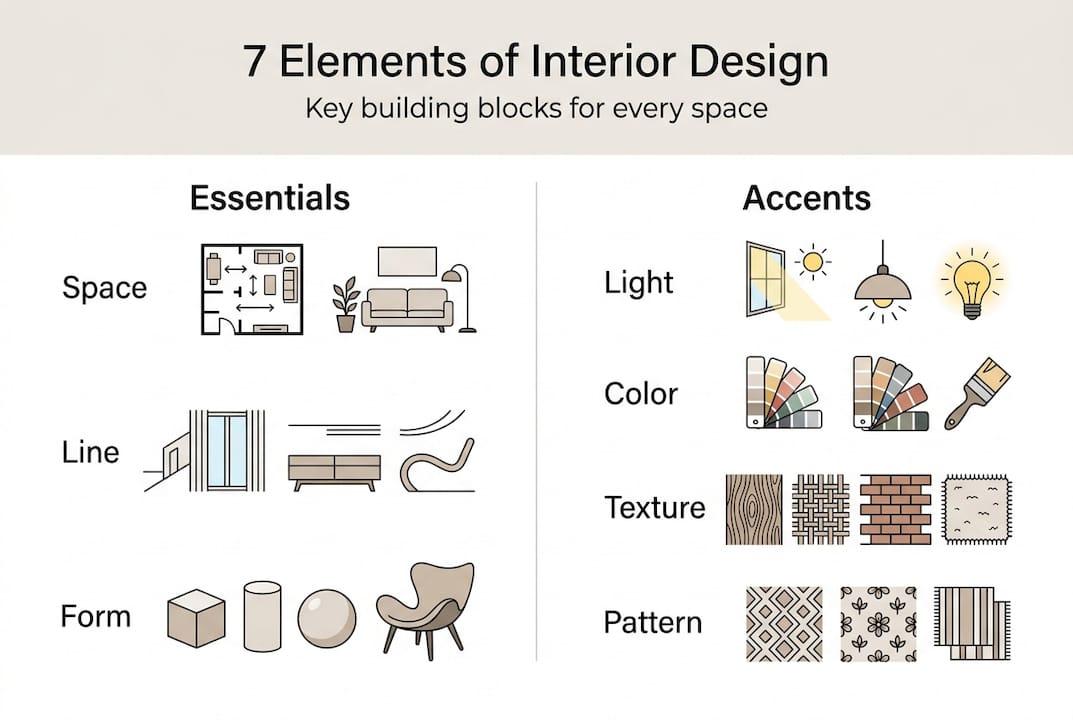
Here’s how elements and principles work together in real rooms:
| Element | Related principle | Practical example |
|---|---|---|
| Light | Emphasis | A pendant lamp draws focus to a dining table |
| Color | Harmony | Warm neutrals create a cohesive, calm living room |
| Texture | Contrast | A smooth sofa paired with a chunky knit throw adds depth |
| Line | Rhythm | Vertical shelving creates visual movement upward |
| Pattern | Balance | One bold rug grounds a room with simple furniture |
How to use these elements for a cohesive home design:
- Pick your anchor element. Choose one element, like texture or color, to lead your room’s story.
- Apply a dominant principle. Decide if you want balance, contrast, or emphasis as your guiding principle.
- Layer in supporting elements. Add pattern, line, and form to support your anchor without competing.
- Test with lighting. See how natural and artificial light change the feel before committing to finishes.
- Edit ruthlessly. Remove anything that doesn’t serve the anchor or principle you chose.
Understanding lighting’s impact on ambiance is especially valuable here. Light changes how every other element reads in a room, which is why designers treat it as a foundational decision, not an afterthought. You can also explore elements and principles explained in more depth if you want to go further.
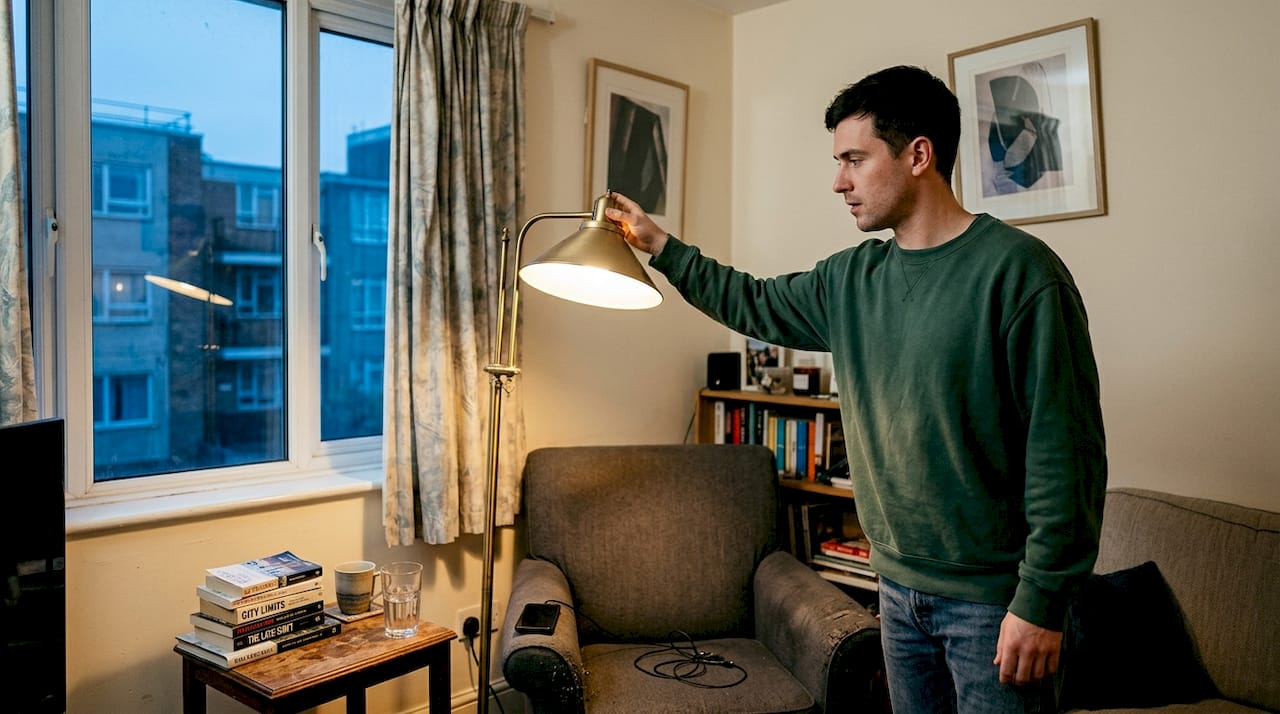
Pro Tip: Start your next room refresh by choosing just one element as your anchor. If your space feels flat, try layering two different textures before buying anything new.
The interior design process: From vision to reality
Having covered the what and why, let’s look at how interior design actually comes to life, step by step.
Professional designers follow a structured process. The interior design process typically involves 7 stages, and understanding them helps you apply the same thinking to your own home projects.
- Discovery. Define your goals, lifestyle needs, and budget. Ask yourself how you actually use each room, not just how you want it to look.
- Concept development. Gather inspiration through images, color swatches, and material samples. Build a mood board, even a simple digital one.
- Space planning. Map out furniture placement and traffic flow before buying anything. Free tools like room planners make this easy.
- Design development. Select specific materials, finishes, furniture, and lighting. Prioritize function first, then style.
- Documentation. Create a shopping list, timeline, and budget tracker. This keeps projects from spiraling.
- Installation. Bring everything together. Work in layers: large furniture first, then lighting, then accessories.
- Evaluation. Step back and assess. Does the room feel and function the way you intended? Adjust as needed.
This process works whether you’re redesigning a full living room or just refreshing a corner of your bedroom. If you want to avoid costly errors along the way, reading about avoiding common furniture mistakes is a smart early step.
Pro Tip: Renters, focus your energy on stages 1, 2, and 6. Flexible, non-permanent updates like rugs, lighting swaps, and modular furniture give you the biggest impact without touching the property.
Modern approaches and breaking the rules
You might be surprised how much flexibility and creativity can elevate your own interior transformations.
Classic design rules exist for good reason. But experts regularly break rules like the 60-30-10 color formula, the idea that metals must match, and the rule that furniture should always face each other. Breaking these rules intentionally, with purpose, often produces more interesting and personal results.
The market reflects this creative energy. Residential renovations now drive over 40% of the design market’s value globally, showing that homeowners and renters are investing in their spaces more than ever.
Quick changes for renters and small-space dwellers:
- Modular furniture that reconfigures as your needs change
- Removable wallpaper for bold pattern without commitment
- Strategic mirror placement to double perceived space
- Peel-and-stick tiles for kitchen or bathroom updates
- Layered rugs to define zones in open-plan spaces
- Swappable light fixtures (check your lease first)
The design world is also shifting between two poles. Minimalism favors clean lines, neutral palettes, and intentional negative space. Maximalism embraces bold color, layered pattern, and curated collections. Neither is wrong. The best approach is the one that fits how you actually live. Sustainability is also rising fast, with more designers choosing reclaimed materials, energy-efficient lighting, and long-lasting pieces over fast-furniture trends.
Explore trending decor styles and urban space transformation tips to see how these ideas apply to real homes right now.
Pro Tip: To maximize a small room, hang curtains as close to the ceiling as possible and layer at least two light sources. This makes ceilings feel taller and rooms feel warmer at the same time.
Applying interior design at home: Practical tips for maximum impact
Armed with expert-approved strategies, let’s apply all this to your home, where small changes create the biggest difference.
You don’t need a full renovation to see real results. These entry-point projects deliver noticeable impact fast:
- Update your lighting. Swap a single overhead fixture for a layered setup with floor lamps and table lamps. This alone changes a room’s entire mood.
- Balance your color. Choose one dominant color, one supporting tone, and one accent. Keep it simple and you’ll avoid the “too much going on” problem.
- Use textiles as grounding elements. A well-chosen rug anchors a seating area and ties furniture together without moving a single piece.
- Add biophilic accents. Plants, natural wood, and stone textures connect your space to the outdoors and improve how the room feels to be in.
Common pitfalls to avoid:
- Over-matching everything. When your sofa, rug, and curtains are all the exact same shade, the room looks flat. Intentional contrast adds life.
- Ignoring traffic flow. Furniture placed without thinking about how people move through the room creates frustration every single day.
- Relying on one light source. A single ceiling light creates harsh shadows and makes rooms feel smaller. Layer your lighting for atmosphere instead.
- Pushing all furniture to the walls. Floating furniture toward the center of a room creates intimacy and better conversation zones.
For renters, modular furniture and flexible decor are your best tools. Choose pieces that move with you and decor that expresses your personality without requiring a paint job or a contractor.
Our perspective: Why living well starts with intentional design
With these practical tools in hand, let’s reflect on what truly matters when shaping your living space.
Here’s something the design industry doesn’t say loudly enough: you don’t need a big budget or a professional to design a space that genuinely supports your life. The biggest shifts often come from the smallest, most intentional choices. Moving a lamp. Replacing a rug. Choosing furniture that fits how you actually sit, eat, or work.
We believe real style is not about following trends. It’s about understanding what you need from a space and making deliberate choices to get there. That might mean breaking the 60-30-10 rule because you love bold color. Or it might mean keeping things minimal because clutter makes you anxious.
Design thinking is for every home and every budget. A $30 floor lamp and a secondhand chair, placed with intention, can outperform a $3,000 sofa in the wrong spot. If you’re looking for inspiration on where to start, kitchen trends and smart design show how even functional spaces can feel beautiful and personal. Start small, stay intentional, and your space will reflect who you are.
Take the next step in transforming your space
Ready to make those changes real? You don’t have to design alone. Whether you’re starting with a single room or rethinking your entire home, having the right furniture and decor makes every principle in this guide easier to apply.
At newwayref.store, you’ll find a thoughtfully curated selection of modern furniture, lighting, and home accessories built for real living. From statement coffee tables to layered lighting solutions, every product is chosen to help you design with intention. Check out our urban home decor guide for room-by-room inspiration, and enjoy free shipping on orders over $50. Your next great space is closer than you think.
Frequently asked questions
How is interior design different from interior decorating?
Interior design involves professional planning and safety considerations like space planning and building codes, while decorating focuses on aesthetic choices like colors and furnishings.
Can renters apply interior design concepts without making permanent changes?
Yes. Renters can use modular furniture and flexible decor along with layered lighting to personalize a space without altering the property.
What are the most important elements of interior design?
The seven key elements are space, line, form, light, color, texture, and pattern. Together they form the foundation of every design decision.
What is the 60-30-10 rule in interior design?
It’s a color proportion guideline: 60% dominant color, 30% secondary, and 10% accent. Experts frequently adapt or break this rule to create more dynamic, personal results.
Does interior design impact home value?
Yes. Residential design and renovations drive a large segment of the global market, and well-designed spaces consistently improve flow, appearance, and buyer appeal.