

TL;DR:
- Minimalist interior design emphasizes purpose and intentionality, creating calm and personal spaces rather than emptiness. It incorporates negative space, material honesty, and functional furniture, often with warm textures and natural tones for inviting atmospheres. To achieve this, focus on quality, storage, and defining each room’s primary purpose, starting with small, deliberate changes.
Most people assume minimalist interior design means bare walls, cold surfaces, and a home that feels more like a showroom than a place to live. That assumption is wrong, and it keeps a lot of people from ever trying the style. What is minimalist interior design, really? It is a deliberate, function-first approach where every element earns its place based on purpose or genuine pleasure. Nothing is random. Nothing is filler. The result is a space that feels calm, intentional, and surprisingly personal.
Table of Contents
- Key Takeaways
- What is minimalist interior design, really?
- Stylistic variations: warm minimalism and beyond
- Common challenges and design pitfalls
- How to create minimalist interiors in your home
- My honest take on minimalist design
- Transform your space with Newwayref
- FAQ
Key Takeaways
| Point | Details |
|---|---|
| Intentionality over emptiness | Minimalism is not about having less. It is about keeping only what serves a clear purpose or brings real value. |
| Negative space is a tool | Open space is an active design element, not an afterthought. It shapes how a room feels. |
| Warm minimalism is the current direction | Natural textures, earthy tones, and soft materials make minimalist spaces feel inviting rather than stark. |
| Storage is non-negotiable | Hidden or integrated storage prevents clutter from creeping back onto surfaces and undermining the look. |
| Quality beats quantity every time | One well-chosen piece of furniture does more for a minimalist room than three mediocre ones combined. |
What is minimalist interior design, really?
Minimalism in design is often described with the phrase “less is more,” but that shorthand glosses over what actually makes a space minimalist. At its core, minimalist design reduces a room to only what serves a function or brings genuine pleasure. Every object, every piece of furniture, every decorative choice must justify its presence. If it cannot, it does not belong.
There are five principles that define minimalist modern interior design with real precision. According to key design principles, they are: reduction, negative space, material honesty, function-first thinking, and light as a design element. These are not trends. They are the structural logic behind why minimalist rooms work.
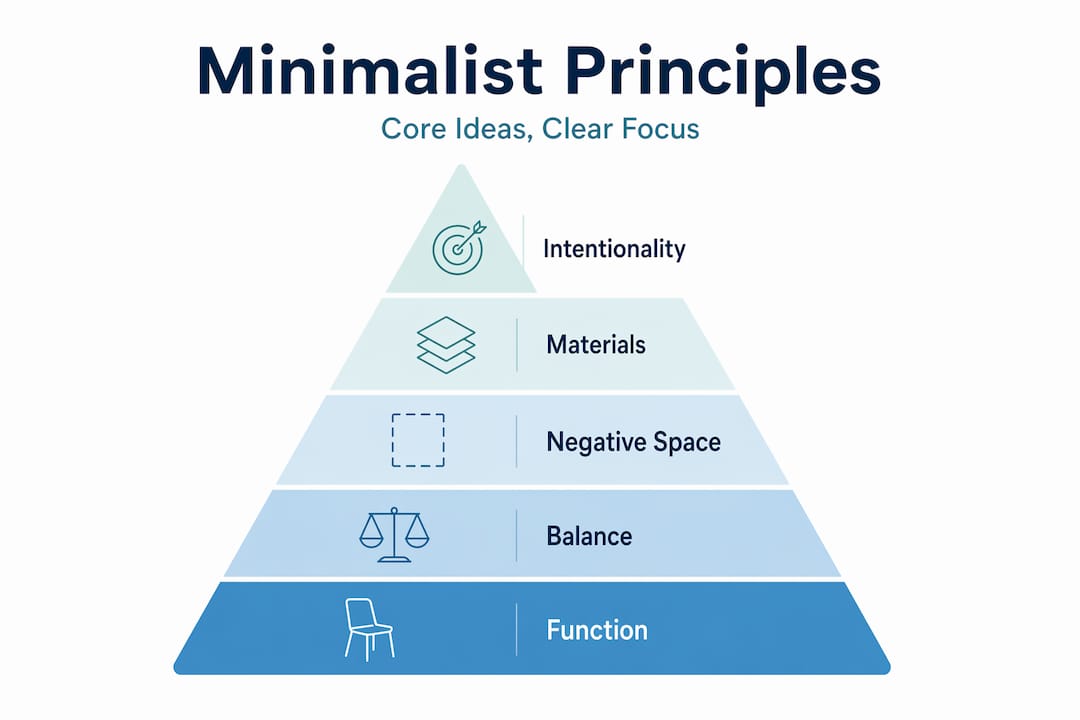
Negative space deserves special attention because it is the most misunderstood principle. In a minimalist interior, open floor area, blank walls, and unadorned surfaces are not signs of an unfinished room. They are deliberate choices that give the eye a place to rest and make the objects you do include feel intentional and significant.
Material honesty is equally important and rarely discussed in surface-level articles. Material honesty means materials should authentically express what they are. A concrete floor should look like concrete. A wood shelf should show its grain. Covering or disguising materials with decorative treatments works against the philosophy.
Pro Tip: Before adding anything to a minimalist room, ask one question: does this serve the room’s primary purpose? If the answer is no, leave it out.
“Good design is as little design as possible.” — Dieter Rams, whose philosophy shaped modern minimalist thinking across architecture, product design, and interiors alike.
The difference between a sparse space and a minimalist space comes down to intention. A sparse room feels unfinished. A minimalist room feels complete, precisely because every choice was made on purpose.
Stylistic variations: warm minimalism and beyond
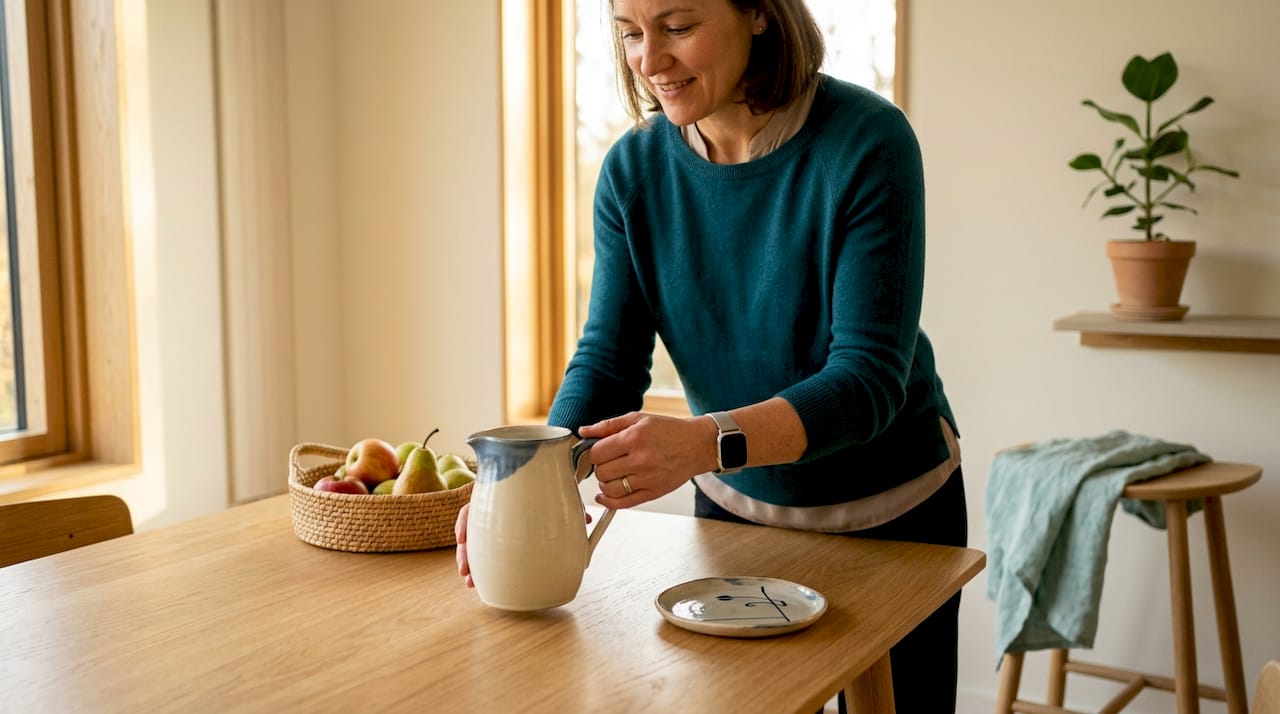
The coldest version of minimalism, all white walls with polished concrete and nothing on the shelves, peaked around 2015. What has replaced it is something more livable. Warm minimalism incorporates natural textures, earthy tones, and tactile materials while keeping the same principles of restraint and function. Think linen, raw wood, aged terracotta, and muted greens rather than a stark white palette with chrome fixtures.
This shift reflects a broader understanding that minimalism in home design is not a single fixed aesthetic. It draws from multiple design traditions.
- Japanese minimalism prioritizes harmony between objects and space, influenced by the concept of ma, which is the meaningful use of empty space.
- Bauhaus minimalism focuses on the relationship between form and function, with clean geometry and honest use of industrial materials.
- Scandinavian design blends minimalism with comfort, using pale woods, soft textiles, and warm lighting to create spaces that are simple but never cold.
Each of these traditions contributes something different to what we now call warm minimalism. Designer Katie Harbison emphasizes that a restrained and well-considered palette is fundamental, drawing clear inspiration from Japanese minimalism to create spaces that feel cohesive rather than empty.
What is Scandinavian design, exactly, within this context? It is minimalism that prioritizes human comfort as much as visual simplicity. That means soft rugs underfoot, textured throw blankets, and warm overhead lighting placed thoughtfully. The room stays uncluttered, but it never feels unwelcoming.
For your own home, the easiest way to move toward warm minimalism is to swap one cool-toned material for a natural one. Replace a glass coffee table with a solid oak version. Swap synthetic curtains for unbleached linen. These are small shifts, but they change the temperature of a room significantly.
Common challenges and design pitfalls
Applying minimalist principles in a real home is harder than it looks in magazine photographs. Here are the four most common mistakes people make, and how to avoid each one.
-
Confusing minimal with cheap. Minimalist rooms rely on the quality of individual pieces to carry the space. A poorly proportioned sofa or a flimsy side table stands out immediately because there is nothing else to distract from it. Invest more in fewer pieces rather than filling a room with budget items.
-
Ignoring storage. Continuous built-in storage helps maintain visual calm, especially in smaller homes. Without deliberate storage solutions, everyday items pile up on surfaces and the minimalist look collapses within weeks. Think built-in cabinetry, furniture with concealed storage, and wall-mounted shelving with doors.
-
Designing around aesthetics instead of function. Rooms that look sparse but lack purpose feel unfinished and accidental rather than thoughtfully curated. Always define what the room needs to do first. A living room needs comfortable seating, good lighting, and surfaces for daily use. A minimalist living room is all of those things, with nothing extra added.
-
Removing too much personality. Minimalism does not mean anonymous. One or two personal objects, a piece of art you love, a plant, a book collection displayed with care, give a minimalist room its identity. The goal is to edit down to what matters, not to erase yourself from the space.
Pro Tip: Use integrated storage solutions that create a continuous surface. An uninterrupted wall of cabinetry in a 377-square-foot apartment can hold an entire household’s worth of objects while keeping every surface completely clear.
How to create minimalist interiors in your home
Getting started with minimalist design does not require a full renovation. You can apply minimalist design principles room by room, starting with the space where clutter bothers you most.
Start by defining room purpose. Every room has a job. A bedroom is for rest. A kitchen is for cooking and eating. Once you name the function clearly, you have a filter for every object in that room. If it does not support the primary function, it goes elsewhere or it goes away.
Here is a practical comparison to help you make furniture decisions:
| Choice | Minimalist approach | What to avoid |
|---|---|---|
| Sofa | One quality sofa with clean lines | Multiple seating pieces that crowd the space |
| Coffee table | One table with storage or open lower shelf | Multiple surfaces that fragment the room |
| Lighting | Recessed lighting plus one statement fixture | Several competing light sources on every surface |
| Decor | Two or three intentional objects | Groupings of unrelated small items |
| Color | Neutral base with one or two accent tones | Many competing colors across textiles and walls |
Furniture selection. Choose pieces that do more than one thing. An ottoman with interior storage, a bed frame with built-in drawers, or a dining bench that slides under the table entirely. Multifunctional furniture reduces the total number of pieces you need without reducing comfort. You can explore modern functional furniture options to find pieces that balance style and purpose.
Color and texture. A neutral palette does not mean a dull one. Uncluttered layouts and neutral palettes create calm and easy-to-maintain environments. Use texture to add visual interest without adding color complexity. A wool throw on a linen sofa against a white wall creates richness through material, not pattern.
Light. Natural light interaction with space is arguably the most important design element in minimalist interiors, shaping how the room feels as the day progresses. Keep window treatments simple, use sheer or unlined fabrics, and position mirrors to reflect light deeper into the room. For guidance on getting the most from your lighting setup, check out these lighting tips for small spaces.
Surfaces. Maintaining clear surfaces is the daily practice of minimalism. Use creative space-saving storage to keep everyday items off tables and counters. Trays, baskets behind cabinet doors, and designated landing zones for keys and mail all help. The goal is not sterility. It is discipline applied consistently.
My honest take on minimalist design
I have seen a lot of people approach minimalism like a subtraction exercise. Remove the clutter, remove the color, remove the personality. What they end up with is a room that feels hollow rather than calm. That is not minimalism. That is just an unfinished space with expensive furniture in it.
What I have learned is that the most successful minimalist interiors start with a specific understanding of what comfort means to the person living there. One person’s necessary object is another person’s clutter. The editing process is personal. A well-styled minimalist living room reflects the occupant, not a design template copied from a magazine.
The other thing I have noticed is that minimalism today looks nothing like it did a decade ago. The shift toward warm minimalism has made the style genuinely accessible for people who want calm spaces without sacrificing warmth or character. That evolution is a good thing. Minimalism was always supposed to serve the people living in the space, not the other way around.
My advice: start with one room, define its purpose ruthlessly, invest in two or three quality pieces, and live with it for a month before adding anything else. The results will surprise you.
— Enn
Transform your space with Newwayref
If this guide has you ready to rethink your living space, Newwayref has a curated selection of furniture and decor built around exactly these principles: clean lines, practical function, and materials that age well. Whether you are starting with a new coffee table, looking for a sofa with storage, or just want to explore minimalist-friendly accessories, the Newwayref home collection gives you real options at straightforward prices. Every product is chosen with the same criteria minimalist design demands. It must look good, work well, and justify its place in your home. Browse the full range and find the pieces that fit your space and your lifestyle.
FAQ
What does minimalist interior design mean?
Minimalist interior design means reducing a room to only what serves a function or brings genuine pleasure, with intentional use of space, a restrained color palette, and furniture chosen for quality over quantity.
Is minimalist decor the same as having an empty room?
No. Minimalist decor is about deliberate curation, not emptiness. A well-designed minimalist room feels complete and personal, with every object chosen on purpose rather than by default.
What are the main features of minimalist decor?
The main features include clean lines, neutral or earthy color palettes, hidden or integrated storage, natural materials, and an emphasis on negative space and natural light.
How do I start applying minimalism in my home?
Define the primary function of the room first, then keep only the furniture and objects that directly support that function. Start with one room and resist the urge to add items back in.
What is the difference between minimalist and Scandinavian design?
Scandinavian design is a warm variation of minimalism that adds comfort-focused elements like soft textiles, pale woods, and cozy lighting. Both share the principles of simplicity and function, but Scandinavian design places more emphasis on warmth and livability.