

TL;DR:
- A modular sofa is a customizable furniture system made of interchangeable pieces that can be rearranged or expanded. Buyers should prioritize quality joinery and confirm collection continuity to ensure flexibility and longevity. Most owners rarely reconfigure their modular sofas, so they should be purchased based on current needs and comfort.
A modular sofa is a customizable furniture system made of separate, interchangeable pieces that you can rearrange, expand, or reconfigure to fit your living space and lifestyle. Unlike a traditional sofa or a fixed sectional, a true modular system gives you real control over your floor plan. That distinction matters more than most buyers realize before they shop. Understanding why choose modular sofas starts with knowing exactly what separates a genuine modular system from a sofa that simply ships in multiple boxes.
Why choose modular sofas over traditional and sectional options?
Modular sofas are defined by their standardized, interchangeable components: arms, middles, corners, and ottomans that can be added or reconfigured after the original purchase. That is the core difference between a true modular system and a standard sectional. A sectional sofa is sold as a fixed shape. A modular sofa is sold as a system.
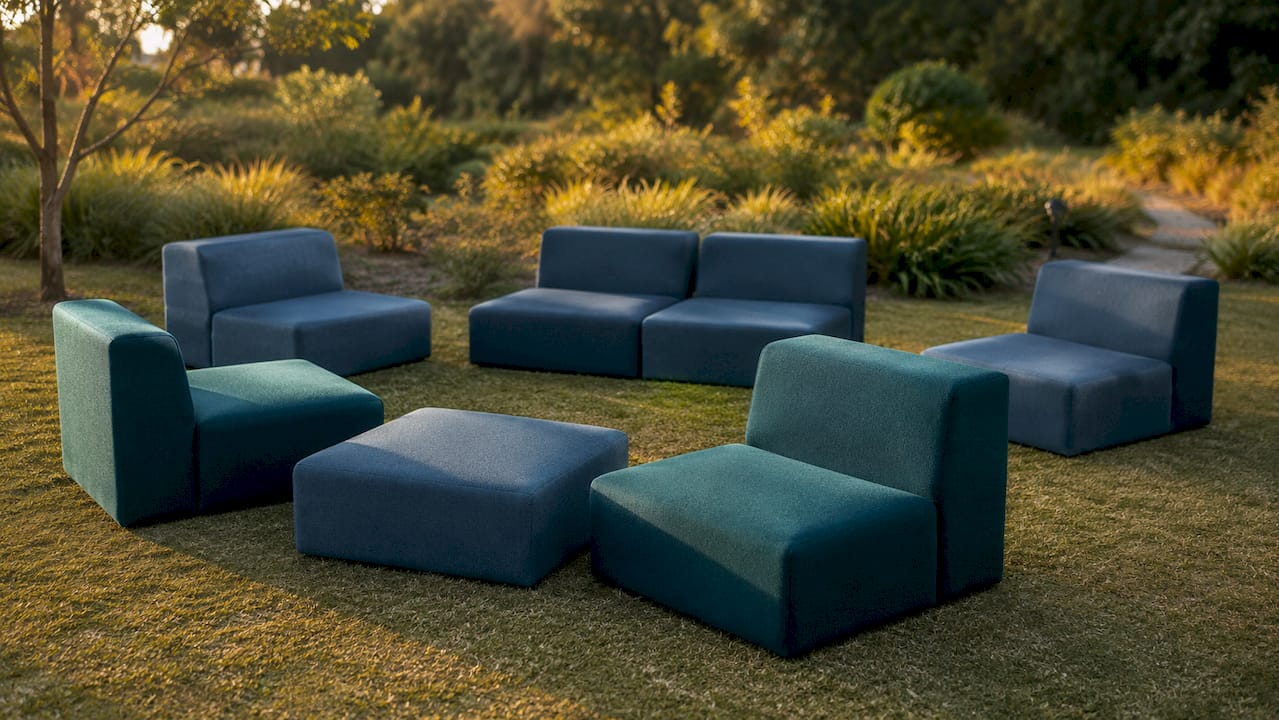
Traditional sofas lock you into one size and one configuration. Sectionals offer more seating but commit you to a specific layout, often an L-shape or U-shape that cannot change. Modular systems let you start with three pieces and add a corner or ottoman two years later when your family grows or you move to a bigger apartment.
The construction quality of the connection hardware matters enormously here. Weak connectors cause modules to drift apart during normal use, creating gaps and uneven seat heights. When you evaluate a modular sofa, check that the joinery is metal-based and that seat cushions align flush across modules. A sofa that looks great in the showroom but shifts after a week of use defeats the purpose entirely.
- True modular: Components are designed to be purchased and added later, with matching upholstery guaranteed across production runs.
- Fixed sectional: Sold in pieces but assembled into one permanent shape; not intended for reconfiguration.
- Hybrid systems: Sold with some flexibility but limited to two or three preset configurations.
Pro Tip: Ask the retailer whether the specific modular collection will remain in stock for at least three to five years. If they cannot confirm that, you may not be able to add matching pieces later.
What are the key benefits of choosing modular sofas?
The flexibility of modular sofas is their most cited advantage, but the real benefits go deeper than simple rearranging. Here are the six strongest reasons to invest in a modular system over a conventional sofa.
-
Room layout flexibility. Modular sofas adapt to rooms that traditional sofas cannot handle. An L-shape works in one apartment; a straight configuration fits your next place. You buy the sofa once and reconfigure it as your life changes.
-
Space optimization for small rooms. Separate modules maximize seating without overcrowding a compact floor plan. You can spread pieces apart to open up traffic flow or push them together for a movie night.
-
Expandability over time. A modular system grows with you. Start with a two-seat sofa and a corner piece. Add an armless middle section when you need more seating. This approach costs less upfront and avoids replacing the entire sofa when your needs change.
-
Upholstery and configuration customization. Many modular collections offer fabric choices, leg finishes, and armrest styles. You can mix a performance fabric on the main seating with a velvet accent on the ottoman, creating a customizable sofa option that reflects your style.
-
Comfort choices. Fixed back cushions look tidy and hold their shape. Loose back cushions feel more relaxed but need straightening regularly. Modular systems often let you choose per module, so you can have a firm seat for reading and a plush lounge section for watching TV.
-
Long-term investment value. A well-built modular sofa outlasts most traditional sofas because you replace only damaged modules rather than the entire piece. That makes it a smarter financial choice over a five to ten year horizon.
The versatility of modular sofas also makes them practical for renters who move frequently. You are not stuck selling a sofa that does not fit your next apartment. You reconfigure it instead.
What common misconceptions about modular sofas should buyers know?
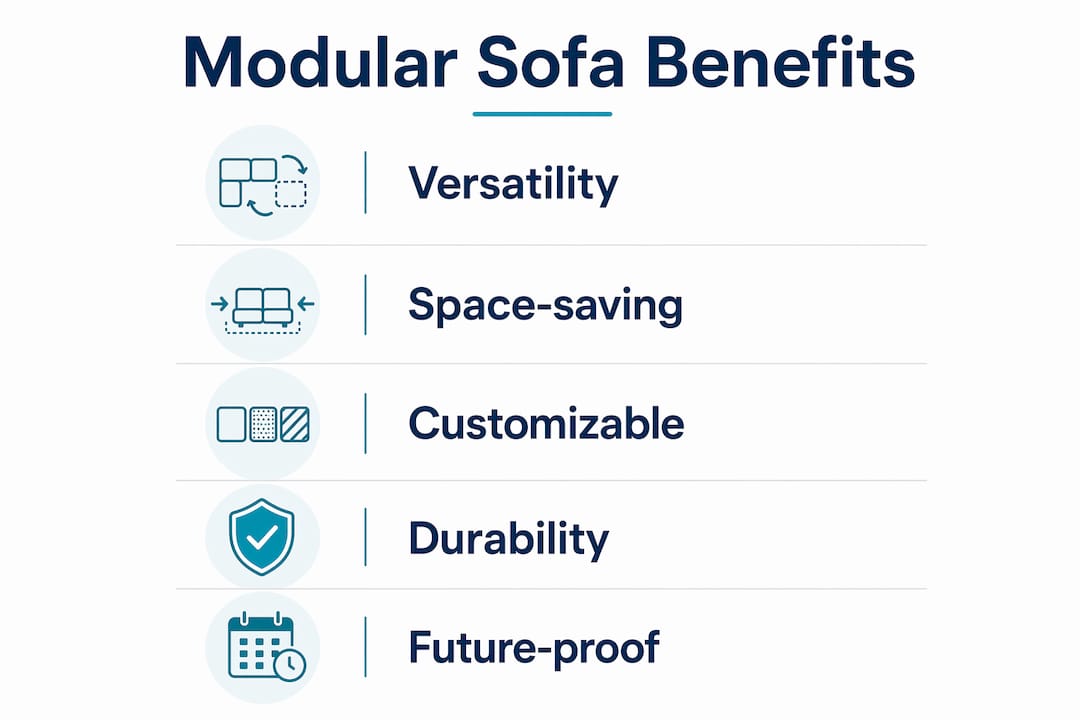
The biggest misconception is that modular sofas offer endless, effortless flexibility. Marketing images show the same sofa in five different configurations across five different rooms. The reality is more grounded. Most owners reconfigure their modular sofa rarely, typically only when moving to a new home or adding family members.
That is not a flaw. It means you should buy a modular sofa for the configuration you actually want today, with the confidence that it can adapt when your life changes. Buying an ultra-modular system with eight pieces because you imagine weekly rearranging is a waste of money for most households.
A second misconception involves the chaise versus ottoman trade-off. A fixed chaise section looks luxurious but commits a large floor area permanently. A separate ottoman gives you similar comfort and can be moved to another room, used as a coffee table, or stored when guests arrive. For smaller living rooms, the ottoman wins on practicality every time.
- Myth: Modular means you will rearrange constantly. Reality: Most owners rearrange only during major life changes.
- Myth: All sofas sold in pieces are modular. Reality: Many are fixed configuration sectionals that cannot be reconfigured.
- Myth: More modules equals more value. Reality: Complexity adds cost and visible seams without proportional benefit for most families.
- Myth: Modular sofas always look casual or unfinished. Reality: Well-designed systems with tight joinery and matched upholstery look as polished as any traditional sofa.
Pro Tip: Before buying, sit in the sofa for at least ten minutes in the store. Comfort and fabric quality matter more than the number of configuration options the system offers.
How to choose the right modular sofa for your needs
Choosing the right modular sofa requires honest answers to three questions: How often will you actually rearrange it? How large is your room? What is your budget for both now and future additions?
Evaluate your room and traffic flow
Measure your room before you shop, not after. A modular sofa that fills 70 percent of a living room leaves no space for traffic flow or other furniture. Use painter’s tape on the floor to mark the sofa’s footprint in your preferred configuration. Optimizing your room layout before purchasing prevents expensive mistakes.
Decide on your level of modularity
Not every buyer needs a fully modular system. If you plan to keep the same configuration for five years and only want the option to add one piece later, a simpler system with four or five components is enough. If you move every two years or host large gatherings regularly, invest in a more flexible system with more interchangeable parts.
Compare fabric and cushion options
| Feature | Best for | Trade-off |
|---|---|---|
| Tightly woven fabric | Families, pets, high use | Less soft to the touch |
| Velvet or bouclé | Style-focused, low traffic | Shows wear and pet hair faster |
| Fixed back cushions | Neat appearance, low maintenance | Less lounging comfort |
| Loose back cushions | Relaxed feel, adjustable support | Requires regular straightening |
| Performance fabric | Spills, stains, outdoor-adjacent use | Can feel less luxurious |
Durability and fabric texture that masks wear are the top priorities for high-use family sofas. Tightly woven fabrics in mid-tone colors hide stains and extend the sofa’s life significantly.
Confirm collection continuity
Verify that the modular collection will remain available for several years so you can add matching pieces later. A modular sofa loses its core advantage if the manufacturer discontinues the line before you can expand it. Ask directly, and check the brand’s track record on keeping collections in production.
For guidance on sofa selection across budgets, consider how much you are willing to spend on future additions before committing to a specific system.
What are the best modular sofa design ideas for your home?
Modular sofas work across a wider range of interior styles than most buyers expect. The key is choosing the right configuration and fabric for your room’s scale and aesthetic.
The L-shape is the most popular layout for good reason. It defines a seating zone in open-plan living areas without requiring walls to anchor it. Place the longer arm along the room’s main wall and the shorter arm facing the TV or fireplace. This creates a natural conversation area that also works for solo lounging.
Pit seating, where multiple modular pieces form a low, square arrangement, suits larger rooms and casual households. It reads as intentional and social rather than informal. Pair it with a low-profile coffee table and pendant lighting to keep the room feeling open. Interior staging professionals note that flexible furniture arrangements photograph better and appeal to a wider range of tastes, which matters if you ever plan to sell or rent your home.
- L-shape: Best for open-plan rooms and TV-facing layouts; defines space without walls.
- Straight configuration: Works in narrow rooms or as a secondary seating area in larger spaces.
- Pit seating: Suits large rooms and social households; creates a defined lounge zone.
- Sofa plus separate ottoman: Maximizes flexibility in small rooms; ottoman doubles as a coffee table or extra seat.
- Curved or arc modules: Add visual interest and soften rooms with sharp architectural lines.
Fabric and color choices shape the room as much as the configuration does. Neutral tones in gray, beige, or warm white work with almost any wall color and age well as your décor evolves. If you want a statement piece, a modern sofa in a bold color reads best in rooms with otherwise restrained palettes. Armrest styles also affect the visual weight of the sofa. Slim, low armrests make a room feel larger. Wide, padded armrests add comfort but take up more visual and physical space.
Key Takeaways
Modular sofas are the most adaptable seating investment you can make, provided you choose a system that matches your actual lifestyle rather than an idealized version of it.
| Point | Details |
|---|---|
| True modular vs. sectional | Confirm pieces are designed for future addition, not just sold separately. |
| Rearranging is rare | Most owners reconfigure only during moves or major life changes; buy for today’s layout. |
| Ottoman beats fixed chaise | Separate ottomans offer similar comfort with far more flexibility in small rooms. |
| Fabric durability first | Tightly woven, mid-tone fabrics extend sofa life and hide wear in high-use homes. |
| Confirm collection continuity | Verify the line stays in production so you can add matching modules later. |
The honest case for modular sofas (and when to skip them)
I have spent years watching people buy modular sofas for the wrong reasons. The marketing is seductive: one sofa, infinite configurations, a living room that reinvents itself on demand. That vision sells a lot of sofas. It also sets up a lot of buyers for disappointment.
Here is what I have found to be true. The best reason to buy a modular sofa is not flexibility for its own sake. It is the ability to make one good purchase that survives your next move, your next roommate, or your next phase of life. That is a genuinely compelling value proposition, and it holds up in practice.
What does not hold up is buying the most complex modular system available because you imagine yourself rearranging it every season. Most people do not. The seams are visible. The connectors need checking. The cushions need realigning. A simpler system with three or four solid modules, built from durable fabric and stable joinery, will serve you better than an eight-piece puzzle you rearrange twice in five years.
My advice: prioritize comfort and build quality first. Choose modularity second. A sofa you love sitting on in one configuration is worth more than a system you tolerate in six. And always, always sit in it before you buy.
— Enn
Modular sofas at Newwayref: quality built for real living
Newwayref carries a thoughtfully curated selection of modular sofas designed for homeowners and renters who want style, comfort, and real adaptability in one piece.
Whether you are furnishing a compact city apartment or a spacious family room, Newwayref’s modular sofa collection includes options with customizable armrests, fabric choices, and configurations that fit your space today and grow with you over time. Products like the blue modular sofa armrests and beige modular sofa armrests show the level of component-level customization available. Free shipping on orders over $50 makes it easy to add pieces as your needs change. Browse the full selection at Newwayref and find the configuration that fits your life.
FAQ
What makes a sofa truly modular?
A truly modular sofa uses standardized, interchangeable components designed to be purchased and added after the original assembly. Fixed sectionals sold in pieces do not qualify as modular because they cannot be reconfigured or expanded.
Are modular sofas good for small spaces?
Modular sofas are well suited to small spaces because separate modules can be arranged to maximize seating without overcrowding the room. A sofa plus a separate ottoman is often the most practical combination for compact living rooms.
How often do people actually rearrange modular sofas?
Most owners rearrange their modular sofa only when moving to a new home or accommodating a major lifestyle change. Buying a simpler system for your current layout is smarter than over-investing in flexibility you will rarely use.
What fabric is best for a modular sofa in a family home?
Tightly woven fabrics in mid-tone colors are the best choice for high-use family sofas. They resist staining, hide wear, and extend the sofa’s life compared to looser weaves or very light or dark solid colors.
Can I add pieces to my modular sofa later?
You can add pieces later only if the manufacturer keeps the collection in production. Always confirm with the retailer that the specific modular line will remain available for at least several years before purchasing.