

You probably keep items around your home thinking they might come in handy someday. But this mindset creates clutter that quietly steals your space, peace of mind, and functionality. Clutter can reduce usable space and increase stress levels in homeowners, turning rooms into storage zones rather than living areas. This guide reveals why decluttering transforms your home into a more functional, beautiful environment. You’ll discover practical reasons to let go of excess belongings and learn actionable steps to reclaim your space for better living.
Table of Contents
- Key takeaways
- Understanding the impact of clutter on your living space
- Common misconceptions about clutter and decluttering
- Practical benefits of decluttering your space
- How to start decluttering your home effectively
- Explore home decor solutions to complement your decluttered space
- FAQ
Key Takeaways
| Point | Details |
|---|---|
| Enhances space usability | Removing excess items frees floor space and surfaces, making rooms more usable and visually calm. |
| Reduces mental strain | Decluttering lowers visual clutter that drives anxiety and decision fatigue in daily life. |
| Safer and more comfortable | Clearing clutter reduces tripping hazards, blocked exits, and crowded pathways throughout the home. |
| Easier cleaning and upkeep | Fewer items mean dusting, wiping, and organizing take less time and effort. |
| Boosts home satisfaction | A clutter free space helps you live in a way that matches your current needs. |
Understanding the impact of clutter on your living space
Clutter silently sabotages your home’s potential. Every unused item occupying floor space, countertops, or storage areas limits what you can actually do in that room. You might struggle to find a clear surface for meal prep, or your living room feels cramped despite its square footage. The visual chaos of scattered belongings creates a sense of disorder that follows you from room to room.
Beyond aesthetics, clutter poses real safety concerns. Stacked boxes create tripping hazards, especially in hallways or near stairs. Overloaded shelves risk collapse. Fire exits become blocked. These dangers multiply in homes with children or elderly residents who need clear pathways.
The psychological toll runs deeper than most realize. Walking into a cluttered room triggers low-level anxiety. Your brain processes every visible object, creating mental fatigue without you noticing. Decision fatigue sets in when you constantly navigate around stuff or search for misplaced items. This ongoing stress compounds over weeks and months.
Removing clutter becomes the foundation for any home improvement effort. You can’t properly arrange furniture when boxes crowd the corners. You can’t appreciate benefits of modern decor when visual noise overwhelms the space. Clean surfaces and open floors let your home’s actual features shine through.
Pro Tip: Take photos of each room from the doorway. Visual documentation reveals clutter blindness, showing accumulation you’ve stopped noticing in daily life.
Common clutter culprits include:
- Clothing that no longer fits or suits your style
- Kitchen gadgets used once or never
- Expired pantry items and duplicate utensils
- Old magazines, mail, and paperwork
- Broken items awaiting repair for months
- Gifts you feel obligated to keep
- Craft supplies for abandoned projects
Common misconceptions about clutter and decluttering
The biggest myth preventing action is the belief that keeping everything saves money. You rationalize purchases by imagining future scenarios where you’ll need that bread maker or camping gear. Reality check: if you haven’t used something in a year, you probably won’t. The cost of storing unused items, both in space and mental energy, exceeds any theoretical future savings.
Another misconception paints decluttering as ruthless purging where you throw away everything. This extreme view stops people from starting because they fear losing valuable or sentimental items. Effective decluttering means thoughtful curation, not wholesale elimination. You keep what serves your current life while releasing what doesn’t.
Many keep items ‘just in case’ though rarely using them, leading to unnecessary clutter that prevents better use of living space. This hoarding instinct stems from scarcity mindset rather than practical need. The irony is that cluttered homes make it harder to find and use what you actually own.
The time excuse ranks high on the list of barriers. People assume decluttering requires marathon weekend sessions that disrupt normal life. This all or nothing thinking creates paralysis. Small, focused efforts of 15 to 20 minutes yield significant progress over time without overwhelming your schedule.
“The space in which we live should be for the person we are becoming now, not for the person we were in the past.” This principle guides effective decluttering by focusing on present needs rather than past versions of yourself.
Five steps to overcome decluttering resistance:
- Start with one drawer or shelf, not an entire room
- Set a timer for 15 minutes to prevent overwhelm
- Use the one year rule: discard unused items
- Take before photos to track visible progress
- Celebrate small wins to build momentum
Practical benefits of decluttering your space
Cleaning becomes dramatically faster when surfaces stay clear. You can wipe counters in seconds rather than moving dozens of objects. Vacuuming takes half the time without navigating obstacle courses. This efficiency compounds weekly, giving you hours back for activities you actually enjoy.
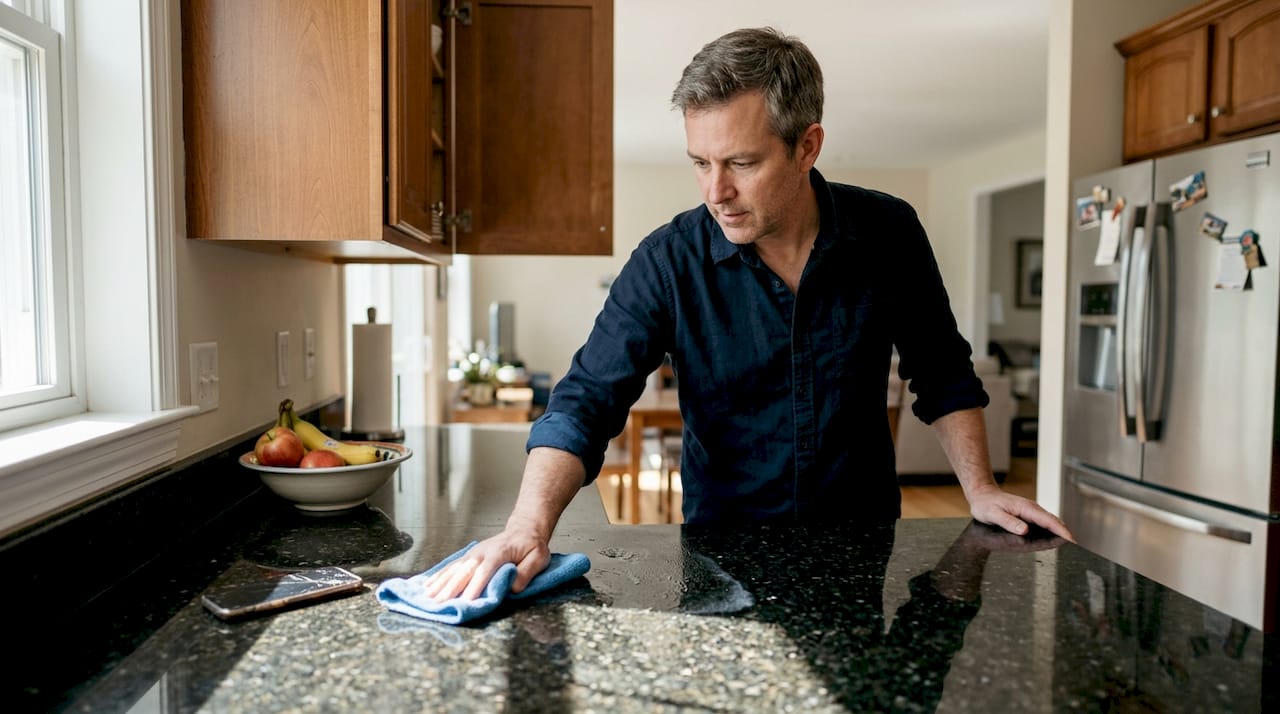
Furniture arrangement options multiply in decluttered rooms. That awkward corner suddenly works for a reading nook. You can finally optimize living room layout to improve traffic flow and conversation areas. Open floor space lets you experiment with different configurations until you find what works best.
Decluttering reduces stress, enhances comfort, and improves home functionality by creating environments that support rather than hinder daily activities. Mental clarity follows physical order. You think more clearly in organized spaces. Focus improves. Creativity flows more easily when your environment feels intentional rather than chaotic.
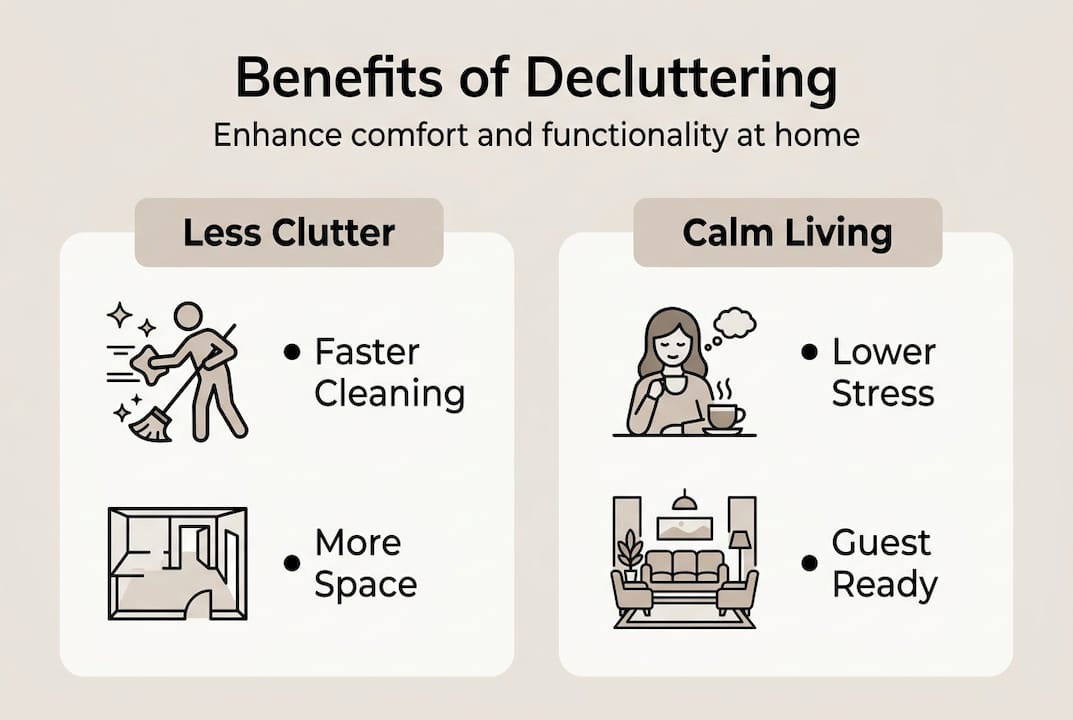
| Cluttered Space | Decluttered Space |
|---|---|
| Constant visual distraction | Calm, focused atmosphere |
| Difficult to clean thoroughly | Quick, efficient maintenance |
| Limited furniture options | Flexible arrangement possibilities |
| Embarrassment about guests | Pride in showing your home |
| Wasted time searching for items | Everything has a designated place |
| Feeling overwhelmed at home | Genuine relaxation and comfort |
Social benefits emerge as your home becomes guest ready. You stop making excuses about having people over. Spontaneous visits don’t trigger panic cleaning. This openness strengthens relationships and creates opportunities for connection that cluttered homes prevent.
Personal satisfaction skyrockets when you upgrade living room functionality and aesthetics through intentional space management. You feel more in control. Your home reflects your current priorities rather than accumulated past decisions. This alignment between space and lifestyle creates genuine contentment.
Pro Tip: Photograph your favorite decluttered area and set it as your phone wallpaper. This visual reminder maintains motivation and prevents backsliding into old habits.
Additional functional improvements:
- Better air circulation and reduced dust accumulation
- Easier identification of maintenance needs
- More efficient use of storage solutions
- Reduced pest attraction from food debris and hiding spots
- Lower risk of mold in overstuffed closets and cabinets
How to start decluttering your home effectively
Begin with the easiest area to build confidence and momentum. Your bathroom medicine cabinet or kitchen junk drawer makes an ideal starting point. These small spaces provide quick wins that prove you can make progress without massive time investment. Avoid starting with sentimental items like photos or keepsakes that slow decision making.
The three box method streamlines sorting decisions. Label containers as keep, donate, and discard. Handle each item once and immediately place it in the appropriate box. This system prevents the common trap of moving clutter from one spot to another without actually reducing it. Be honest about the donate category. Items in good condition deserve new homes where they’ll be used.
Following a systematic approach simplifies decluttering and reduces overwhelm by breaking the process into manageable steps. Working room by room prevents the chaos of pulling everything out simultaneously. Complete one space before moving to the next. This containment strategy maintains livable conditions throughout your home during the decluttering process.
Storage solutions come after decluttering, not before. Many people buy organizing products for stuff they should discard. Once you’ve reduced belongings to what you actually use and love, then assess storage needs. Clear containers let you see contents at a glance. Vertical storage maximizes space in closets and cabinets. Label everything to maintain organization long term.
Step by step decluttering process:
- Choose one specific area with clear boundaries
- Remove everything from that space completely
- Clean the empty area thoroughly
- Sort items using the three box method
- Return only keep items with designated spots
- Immediately remove donate and discard boxes
- Maintain the space for one week before starting another area
Family involvement matters for shared spaces. Schedule a decluttering session where everyone participates. Set ground rules that each person decides about their own belongings. Kids learn valuable lessons about consumption and letting go. Roommates gain mutual respect through collaborative space improvement. This shared effort prevents resentment and ensures everyone benefits from the results.
Maintaining decluttered spaces requires new habits. Implement the one in, one out rule for categories like clothing or books. Conduct quick 10 minute resets each evening to prevent daily accumulation. Schedule quarterly reviews of problem areas that tend to collect clutter. These small practices prevent backsliding and protect your investment of time and effort.
Explore home decor solutions to complement your decluttered space
Your newly decluttered rooms deserve furnishings that enhance their functionality and beauty. New Way Ref offers carefully curated home decor that transforms empty space into intentionally designed living areas. From sleek storage solutions that prevent future clutter to statement pieces that showcase your style, you’ll find options that fit your vision and budget.
Proper lighting dramatically impacts how you experience your refreshed spaces. Strategic illumination highlights your home’s best features while creating ambiance for different activities. Browse modern fixtures that complement clean lines and open areas. Free shipping on orders over $50 makes upgrading your entire home affordable and convenient.
FAQ
Is decluttering a one-time event or ongoing process?
Decluttering works best as a regular practice rather than a single project. Initial deep decluttering creates the foundation, but maintaining that clarity requires consistent habits. Schedule brief monthly reviews of high-traffic areas to catch accumulation early. This ongoing approach prevents the overwhelming buildup that necessitated your original effort.
How can I decide what to keep and what to discard?
Evaluate each item based on three criteria: current usefulness, physical condition, and genuine emotional value. If you haven’t used something in 12 months and it’s not seasonal, it’s probably safe to release. Avoid keeping things out of guilt about money spent or gifts received. Your space should serve your present life, not memorialize past purchases.
Will decluttering help improve my mental well-being?
Decluttering can reduce stress and increase feelings of calmness by removing visual chaos that creates background anxiety. Clear spaces allow your mind to rest rather than constantly processing environmental stimuli. Many people report better sleep, improved focus, and greater overall life satisfaction after decluttering their homes. The psychological benefits often surprise people who initially focused only on physical space improvements.
What should I do with items I’m not ready to discard?
Create a transition box for uncertain items and store it out of sight for three months. If you don’t retrieve anything during that period, donate the entire box without reopening it. This strategy respects your attachment while proving through time that you don’t actually need those belongings. Most people forget what they placed in transition boxes, making final release much easier.
How do I prevent clutter from returning after decluttering?
Establish a designated home for every item you own. When something doesn’t have a specific spot, it becomes clutter. Practice the two-minute rule: if putting something away takes less than two minutes, do it immediately. Be mindful about new acquisitions by asking whether each potential purchase has a clear purpose and storage location. These habits create sustainable systems that maintain your decluttered spaces long term.