

TL;DR:
- A quality sofa relies on durable construction, such as kiln-dried hardwood frames and eight-way hand-tied springs. Investing in such a sofa provides better long-term value, comfort, and resilience than budget options that wear out quickly.
A quality sofa is defined by its internal construction, not its price tag or showroom appearance. Homeowners and renters who understand why invest in quality sofas make better decisions, spend less over time, and live more comfortably every day. The difference between a sofa that lasts 15 years and one that sags in 18 months comes down to four things: frame material, spring type, foam specification, and upholstery grade. This guide breaks down each factor so you can buy with confidence.
Why invest in quality sofas: the core case for durability
A quality sofa delivers better value per year of use than a budget option, even when the upfront price is three times higher. Cheap sofas often look fine initially but rapidly display frame looseness, cushion sagging, and fabric wear, leading to early replacement costs that exceed the original savings. That pattern repeats with every cheap replacement you buy.
The sofa is also the most used piece of furniture in most homes. A family sitting on it for two or more hours daily puts serious stress on every joint, spring, and cushion. A well-built sofa absorbs that stress without failing. A poorly built one transfers it directly into your back and your wallet.
High-quality sofas combine aesthetic design with real-world durability features like modular flexibility, durable low-emission upholstery, and practical shapes that hold up visually and structurally. That combination is what separates a genuine investment in durable furniture from a purchase you regret within two years.
What makes a sofa “quality”? The key components explained
Quality in a sofa is not subjective. It comes from specific, measurable construction choices that affect how long the piece lasts and how comfortable it stays.
Frame: the foundation of every sofa
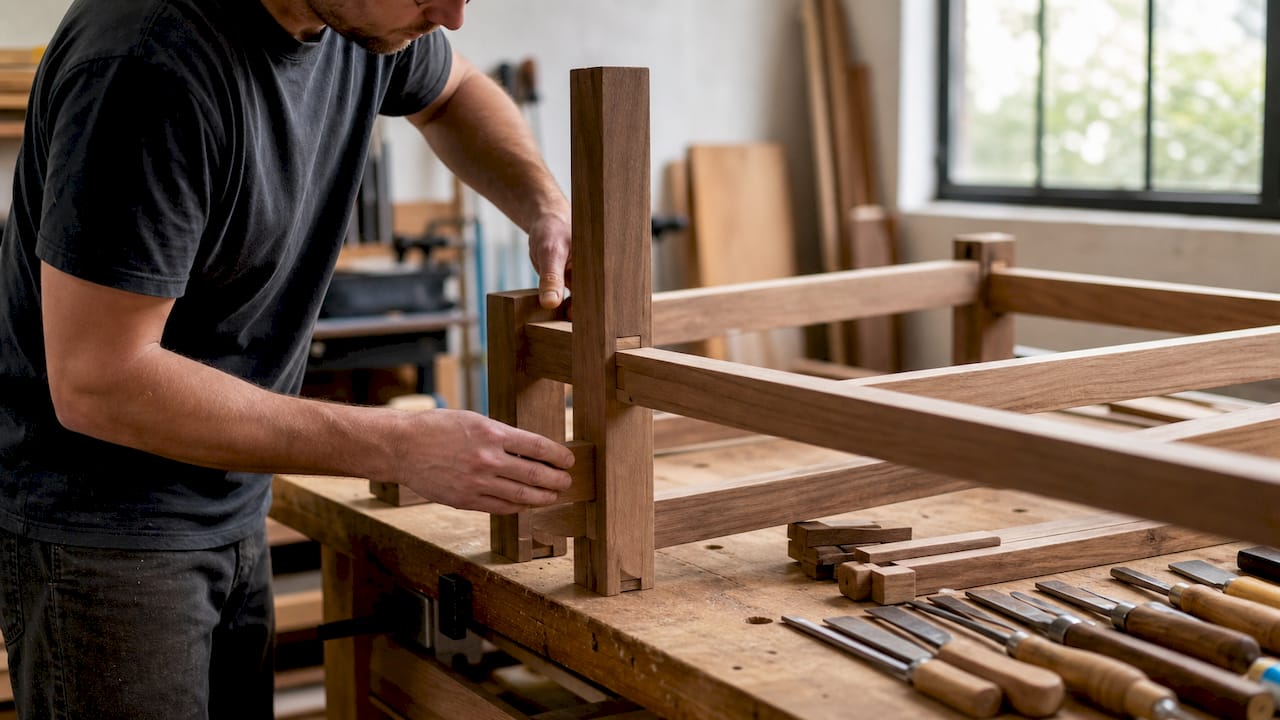
A strong sofa frame constructed with kiln-dried hardwood and fastened with dowels, screws, and corner blocks lasts far longer than frames made with particleboard or softwood. Kiln-drying removes moisture from the wood, which prevents warping and joint failure over time. Cheap frames use staples or nails and develop creaks or loosen quickly under regular use.
Springs: the hidden comfort system
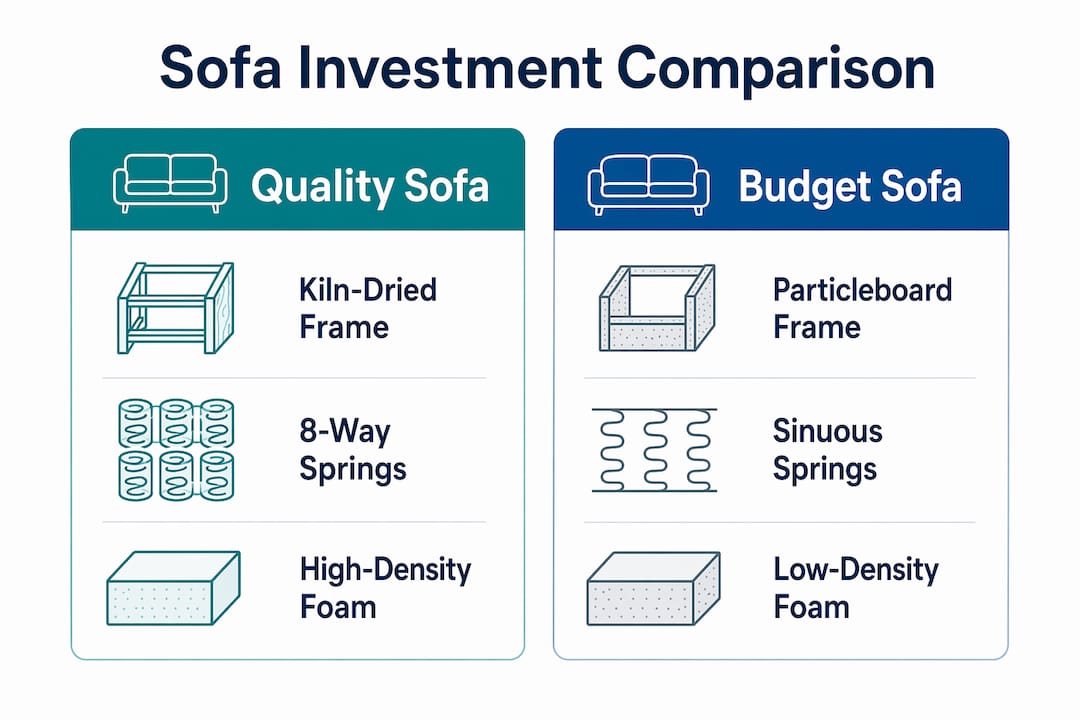
Eight-way hand-tied springs flex evenly and last 15–20 years, whereas sinuous springs flatten faster and cause discomfort over time. Eight-way hand-tied means each spring is tied to its neighbors in eight directions, distributing weight evenly across the seat. Sinuous springs, found in most budget sofas, are S-shaped wires that compress unevenly and lose tension faster.
Foam and upholstery: comfort you can measure
- Foam density measures mass per volume and predicts durability, not softness.
- ILD/IFD (Indentation Load Deflection / Indentation Force Deflection) measures firmness under compression.
- High-density foam can be soft or firm depending on its ILD/IFD rating. Density alone is insufficient to judge comfort.
- Upholstery seams, stain resistance, and fabric thread count all affect how long the surface holds up.
- Removable, washable covers add practical longevity, especially in homes with kids or pets.
Pro Tip: Ask the retailer for both the foam density and ILD/IFD rating before you buy. A sofa spec sheet that lists only “high-density foam” is incomplete. You need both numbers to predict how the cushion will feel and last.
Quality sofas vs. budget options: a real cost comparison
The true cost of a sofa is not the purchase price. It is the purchase price divided by the years of comfortable use you get from it.
| Factor | Quality sofa | Budget sofa |
|---|---|---|
| Frame material | Kiln-dried hardwood | Particleboard or softwood |
| Spring type | Eight-way hand-tied | Sinuous or no springs |
| Foam spec | High-density, rated ILD/IFD | Low-density, unrated |
| Expected lifespan | 10–20 years | 2–5 years |
| Warranty coverage | Frame, springs, cushions | Limited or none |
| Total cost over 10 years | Lower per year of use | Higher due to replacements |
Budget sofas fail in a predictable sequence. First the cushions flatten, then the frame loosens, then the fabric pills or tears. Each failure reduces comfort and forces a replacement purchase sooner than expected.
The high-quality sofa advantages go beyond materials. Premium sofas retain their shape, offer better ergonomics for your spine, and often come with warranties that cover the frame and springs for years. That warranty is not just a sales tool. It signals that the manufacturer trusts the construction enough to stand behind it.
Pro Tip: When comparing two sofas, divide the price by the warranty length in years. A $1,800 sofa with a 10-year frame warranty costs $180 per year of covered use. A $600 sofa with a 1-year warranty costs $600 per year of covered use.
Common misconceptions about foam density and cushion comfort
Most buyers assume a softer cushion means better foam. That assumption leads to poor purchases. Foam density measures mass per volume and is mainly related to durability and support over time, while ILD/IFD measures foam firmness under compression. A dense foam can feel plush if its ILD is low. A low-density foam can feel firm if its ILD is high. Neither tells the full story alone.
Here is how to read cushion specs correctly:
- Check foam density first. A density below 1.8 lb/ft³ signals a foam that will compress permanently within a few years of daily use.
- Check ILD/IFD second. A medium ILD (around 25–35) suits most adults for everyday seating. Lower ILD means softer; higher ILD means firmer.
- Ask about compression set testing. Cushions with more than 10% compression set typically feel bottomed out within 18 months of daily use. Foams with compression set below 8% remain like new at five years.
- Inspect the support system beneath the cushion. Weak webbing or springs undermine support regardless of foam density. The internal support system’s alignment under use is the real driver of long-term comfort.
- Consider the cushion wrap. A layer of Dacron or fiber wrap around the foam core softens the feel without reducing density. This is how manufacturers achieve a plush look with a durable core.
Pro Tip: Good cushion construction translates subjective comfort language like “soft” or “firm” into repeatable construction specs including density, ILD/IFD, foam type, wrap, and deck condition. Ask for those specs in writing before you commit.
Practical tips for choosing the right quality sofa for your home
Knowing the construction details is only half the job. Matching those details to your lifestyle is what makes the purchase right for you.
- Assess your daily use. If you sit on your sofa for more than one hour a day, or if you have kids or pets, spending $1,200–$2,500 on a sofa with removable covers, high-resilience foam, and an extended warranty is a practical choice.
- Prioritize removable, washable covers. Stain-resistant fabric adds years of clean appearance in active households. Microfiber and performance weaves like Crypton resist spills without sacrificing softness.
- Read the warranty carefully. A good warranty covers the frame, springs, and cushions separately. A warranty that only covers “manufacturing defects” for one year offers almost no real protection.
- Consider modular or sectional designs. Modular sofas give you flexibility to reconfigure your layout as your space changes. They also let you replace a single damaged section instead of the entire sofa.
- Think about resale value. A well-maintained premium sofa from a recognized brand holds resale value on platforms like Facebook Marketplace or Craigslist. A budget sofa is typically worthless after two years of use.
- Match the sofa to your room dimensions. A sofa that is too large for the room creates visual clutter and limits traffic flow. Use painter’s tape on the floor to mark the footprint before you buy.
For a broader look at how sofa selection fits your overall living space, Newwayref’s guide on sofa selection tips covers sizing, style, and budget considerations in one place.
Key takeaways
A quality sofa costs more upfront but delivers lower total cost per year of use, better ergonomics, and a longer lifespan than any budget alternative.
| Point | Details |
|---|---|
| Frame material matters most | Kiln-dried hardwood with dowels and corner blocks outlasts particleboard frames by years. |
| Foam needs two specs | Always ask for both foam density and ILD/IFD rating to predict durability and comfort accurately. |
| Springs define long-term feel | Eight-way hand-tied springs last 15–20 years; sinuous springs flatten and cause discomfort far sooner. |
| Budget sofas cost more over time | Frequent replacements and comfort losses make cheap sofas more expensive in the long run. |
| Warranty signals build quality | A multi-year warranty on frame, springs, and cushions shows the manufacturer trusts the construction. |
What I’ve learned from watching sofas fail and last
I’ve spent years looking at how furniture performs in real homes, and the pattern is consistent. The homeowners who regret their sofa purchase almost always made the same mistake: they chose based on how the sofa looked in the store and ignored the spec sheet entirely.
The buyers who are satisfied five years later did one thing differently. They asked questions. They wanted to know what the frame was made of, how the springs were tied, and what the foam density was. Those questions felt awkward at the time, but they paid off every single day.
There is also a sustainability angle that rarely gets discussed. A sofa that lasts 15 years instead of three keeps two or three pieces of furniture out of a landfill. The long-lasting sofa benefits are not just financial. They are environmental. Buying quality once is a more responsible choice than buying cheap repeatedly.
My honest advice: treat your sofa budget the way you treat a mattress budget. You spend a third of your life sleeping. You spend a significant portion of your waking hours on your sofa. The investment in durable furniture pays back in comfort, health, and money every single day.
— Enn
Newwayref’s curated sofa collection for your living room
Newwayref brings together a thoughtfully curated selection of sofas built for real daily use, not just showroom appeal. Every piece in the collection is chosen with strong frames, quality cushioning, and durable upholstery in mind, so you get lasting comfort without the guesswork of sorting through hundreds of options.
Whether you are a homeowner furnishing a family room or a renter who wants a sofa worth moving to your next place, Newwayref’s catalog covers modern styles at a range of price points. Free shipping is available on orders over $50, and the product pages include clear specifications so you can shop with the knowledge you need. Browse the full collection at Newwayref and find a sofa that fits your space, your lifestyle, and your budget.
FAQ
What makes a sofa worth the higher price?
A higher-priced sofa typically uses kiln-dried hardwood frames, eight-way hand-tied springs, and high-density foam with a rated ILD/IFD. These materials last significantly longer and maintain comfort better than budget alternatives.
Should I buy a quality sofa if I rent my home?
Yes. A quality sofa is portable and holds resale value, making it a practical investment even if you move. Premium sofas with modular designs are especially practical for renters because individual sections can be reconfigured or replaced.
How do I know if sofa foam will last?
Ask for the foam’s compression set rating. Foams with a compression set below 8% remain like new at five years of daily use, while foams above 10% compression set typically feel bottomed out within 18 months.
What is the difference between foam density and ILD?
Foam density measures mass per volume and predicts durability. ILD measures firmness under compression. A sofa cushion needs both a high density rating and an appropriate ILD to deliver lasting comfort.
How much should I spend on a quality sofa?
For families with kids or pets and daily use exceeding one hour, spending $1,200–$2,500 is a practical range. That investment typically covers removable covers, high-resilience foam, and extended warranties on frame and springs.