

TL;DR:
- Modular sofas are highly adaptable seating options that allow for customized configurations and easy reconfiguration to suit any living space. They offer benefits such as space efficiency, replaceable sections, and long-term value, making them ideal for dynamic lifestyles and small apartments. Although they require a higher initial investment, their flexibility and durability often justify the cost over traditional sofas.
A modular sofa is a seating system made of individual sections that connect and rearrange to fit any room layout or lifestyle need. If you are a homeowner or renter trying to get the most out of your living space, the case for modular seating is strong. Publications like StyleGuru and Living Designs have documented how this furniture category outperforms traditional sofas in flexibility, personalization, and long-term value. Understanding why opt for modular sofas means looking at real benefits: space efficiency, customizable style, and the ability to adapt as your home and life change.
Why opt for modular sofas: key benefits explained
Modular sofas deliver four core advantages that traditional sofas simply cannot match: customization, space efficiency, easy maintenance, and sustainability.
Customization that fits your style
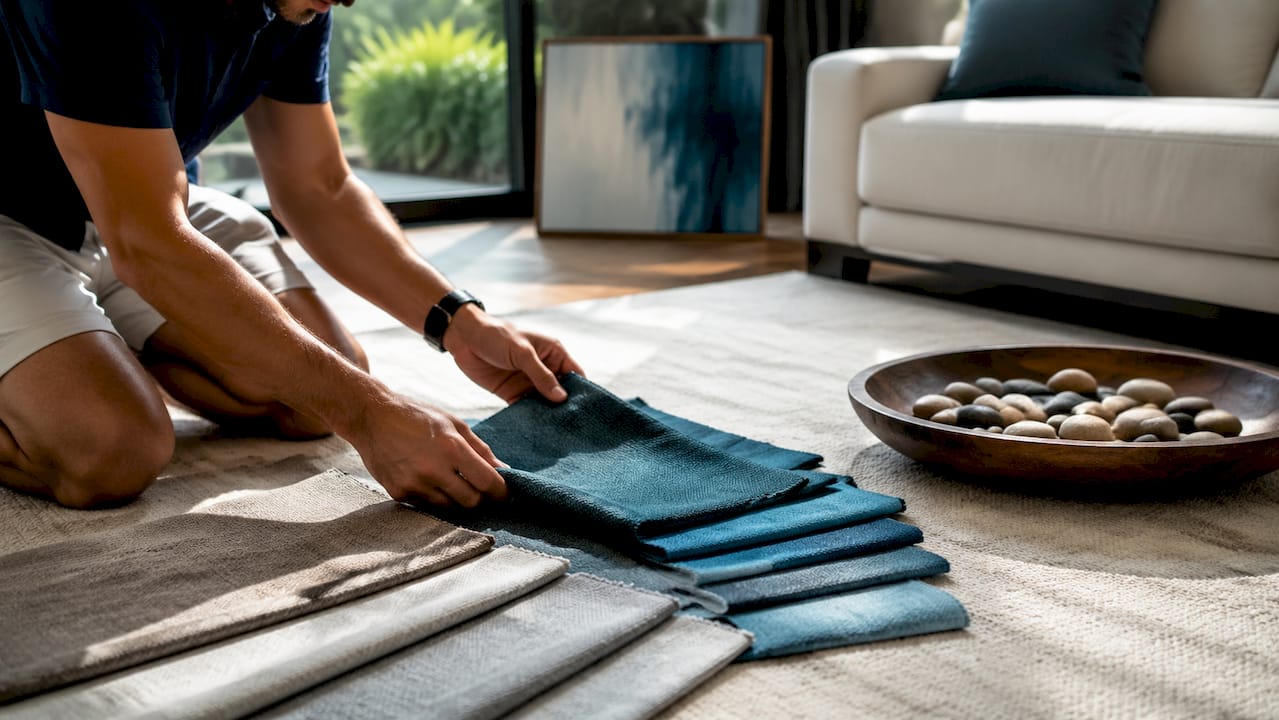
Customizable fabrics and layouts maximize personalization for virtually any design taste. You can choose from dozens of fabric types, colors, and module shapes to build a sofa that looks like it was designed specifically for your room. That level of control is rare in furniture retail and makes modular seating a natural fit for modern interior design trends.
Space efficiency for any room size
Reconfigurable layouts maximize space use in both small and large rooms. You can arrange modules into a compact L-shape for a studio apartment or spread them into a wide U-shape for an open-plan living area. This adaptability is why modular sofas for small spaces have become a go-to solution in urban homes. For more ideas on making the most of compact rooms, explore space-saving furniture solutions that pair well with modular seating.
Maintenance without the headache
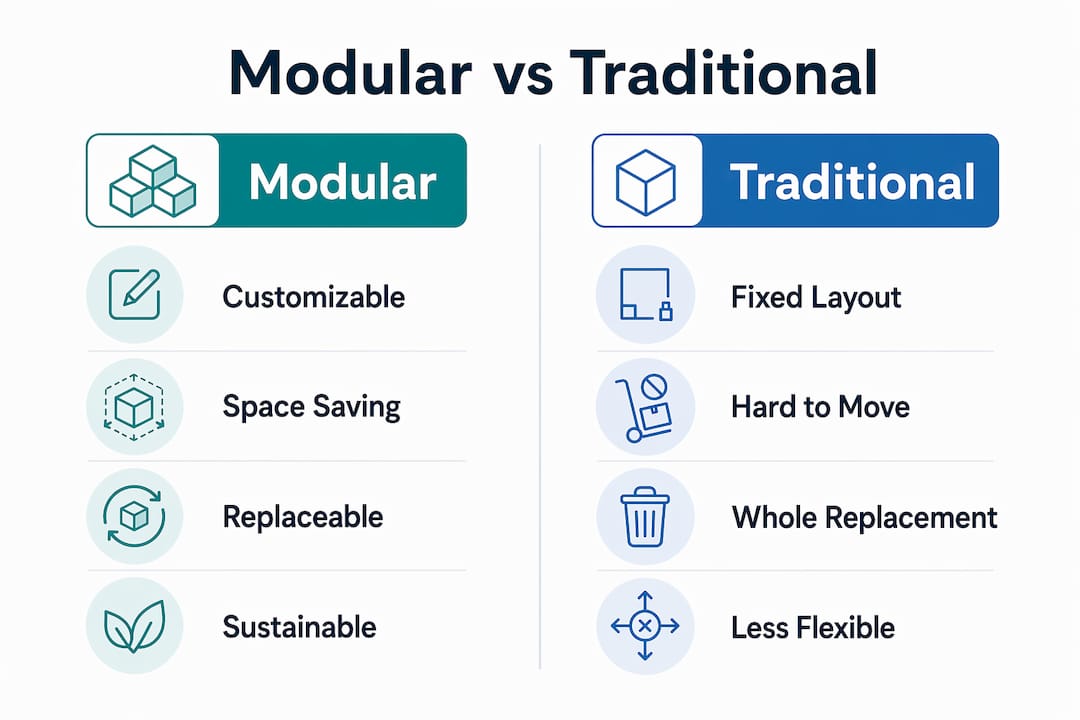
Individual sections can be replaced as needed, so a single damaged cushion does not mean replacing the entire sofa. This is a practical advantage most buyers overlook when comparing options. Over a 10-year ownership period, the ability to swap one module instead of buying a new sofa represents real savings.
Sustainability and long-term value
Long-term use reduces waste and supports eco-friendly living. Modular sofas also allow flexible seating arrangements for gatherings or intimate settings, making them as functional for entertaining as they are for everyday use. These benefits of modular sofas also connect to broader modern decor advantages that prioritize both style and function.
Pro Tip: Before purchasing, request fabric swatches from the retailer. Seeing and feeling the material in your actual lighting conditions prevents costly color mismatches.
How do modular sofas compare to traditional sofas?
The differences between modular sofas and traditional or sectional sofas go beyond looks. They affect how you live in your space day to day.
| Feature | Modular Sofa | Traditional Sofa | Sectional Sofa |
|---|---|---|---|
| Layout flexibility | Fully rearrangeable | Fixed | Limited reconfiguration |
| Customization | High (fabric, color, modules) | Low | Moderate |
| Maintenance | Replace individual sections | Full replacement needed | Partial replacement possible |
| Space adaptability | Fits small and large rooms | Best for fixed room sizes | Requires larger rooms |
| Long-term value | High | Moderate | Moderate |
| Upfront cost | Higher | Lower | Moderate to high |
Traditional sofas are designed for a fixed room and a fixed lifestyle. When you move, redecorate, or need more seating, a traditional sofa rarely adapts. Sectionals offer more seating but are typically sold as one connected unit, limiting how you can reconfigure them.
Modular sofas, by contrast, treat each section as an independent piece. You can add an ottoman module for a movie night, remove a corner piece to open up the room for a party, or reconfigure the whole layout when you move to a new apartment. That flexibility of modular sofas is the defining advantage for anyone whose living situation is likely to change.
The upfront cost is higher, which is the honest trade-off. But when you factor in the ability to replace sections rather than the whole sofa, the long-term math often favors modular seating.
Pro Tip: If budget is a concern, start with a three-piece modular set and add sections over time. Most quality brands sell individual modules separately, so you can build your configuration gradually.
What are the drawbacks of choosing modular sofas?
Balanced decision-making requires knowing the limitations. Modular sofas have real drawbacks worth considering before you buy.
- Higher upfront cost. Higher quality materials and customization add to the initial price compared to basic couches. A quality modular set can cost two to three times more than a comparable traditional sofa. That gap matters if you are furnishing on a tight budget.
- Space planning is non-negotiable. Accurate measurements and planning are critical for functional arrangements. Buying modules without measuring your room carefully can result in a configuration that blocks doorways or overwhelms the space.
- Aesthetic inconsistency. If you mix modules from different product lines or purchase add-ons years later, fabric dye lots may not match perfectly. This is a real risk with modular seating that most buyers discover too late.
- Durability varies by fabric choice. Cheaper fabric options may wear unevenly across modules, making the sofa look mismatched over time. Choosing a performance fabric from the start protects your investment.
- Connector quality matters. The hardware that holds modules together varies widely by brand. Loose connectors cause sections to drift apart during use, which is frustrating and affects the sofa’s overall look.
These challenges are manageable with research and planning. They are not reasons to avoid modular seating. They are reasons to buy thoughtfully.
How to select and style a modular sofa for your space
Choosing the right modular sofa requires a clear process. Follow these steps to avoid the most common mistakes.
- Measure your room precisely. Note the length, width, and the location of doorways, windows, and electrical outlets. Sketch two or three possible configurations before you shop. This prevents buying modules that do not fit your actual space.
- Define how you use the room. A family with young children needs durable, stain-resistant fabric. A couple who entertains frequently benefits from a U-shape or L-shape with extra seating. Your lifestyle should drive your configuration choice.
- Choose fabric based on use, not just looks. Performance fabrics like microfiber or treated polyester resist stains and wear better than linen or velvet in high-traffic rooms. If you have pets, look for tightly woven fabrics that resist snags.
- Match the sofa color to your existing decor anchor. Pick up a color already present in your rug, curtains, or artwork. Neutral tones like gray, cream, or navy give you the most flexibility as your decor evolves.
- Use the sofa to define zones in open-plan spaces. Structured lines and modular design create spatial definition without physical walls. Positioning a modular sofa with its back to the kitchen area, for example, clearly separates the living zone from the cooking zone. This is one of the most effective tools in open-plan interior design.
- Check connector and frame quality before buying. Ask the retailer about the frame material (hardwood is best) and how modules connect. Test the connection mechanism in the showroom if possible.
For a deeper look at matching sofa styles to your home’s aesthetic, the urban living sofa guide from Newwayref covers this in practical detail.
Are modular sofas worth it for small living spaces?
Modular sofas are especially well suited to small apartments and compact homes. The reason is simple: they give you control over exactly how much sofa you have and where it sits.
| Room Size | Recommended Configuration | Benefit |
|---|---|---|
| Under 200 sq ft | Two-piece loveseat modules | Maximizes floor space, keeps room open |
| 200–350 sq ft | Three-piece L-shape | Defines living zone without crowding |
| 350–500 sq ft | Four-piece L or U-shape | Adds seating without blocking traffic flow |
| Over 500 sq ft | Five-piece or larger U-shape | Creates social zones and visual anchoring |
In a studio apartment, a two-piece modular set can serve as both a sofa and a daybed. In a one-bedroom apartment, an L-shape configuration separates the living area from a home office corner without needing a wall or divider. This adaptability is why modular seating solutions have become the preferred choice for urban renters who move frequently.
The open-plan living design principles used in larger homes apply equally to small spaces. Defining zones with furniture placement, rather than walls, makes any room feel more intentional and spacious. A modular sofa is the most practical tool for achieving that effect in a compact home.
Key takeaways
Modular sofas are the most adaptable seating option available because they combine customizable configuration, replaceable sections, and space efficiency in one furniture system.
| Point | Details |
|---|---|
| Customization is the core advantage | Choose fabrics, colors, and layouts that match your exact decor and lifestyle needs. |
| Space efficiency suits any room | Configurations scale from two-piece studio setups to large U-shapes for open-plan homes. |
| Maintenance costs stay low | Replace individual damaged modules instead of buying an entirely new sofa. |
| Upfront cost requires planning | Budget for higher initial investment but expect better long-term value than traditional sofas. |
| Space planning is non-negotiable | Measure your room and sketch configurations before purchasing to avoid layout mistakes. |
What i have learned after years of watching people furnish their homes
Most people buy a sofa the same way they buy a car: they walk in, sit on a few options, and pick the one that feels good in the showroom. That approach fails with modular sofas because the real value only shows up after you live with the furniture for a year or two.
The homeowners I have seen get the most out of modular seating are the ones who treated the purchase as a system decision, not a single-item buy. They measured their rooms twice, planned three configurations, and chose fabric based on their actual daily habits rather than what looked good under store lighting.
The biggest mistake I see repeatedly is buying the maximum configuration upfront. People fill their living room with six or seven modules and then realize the room feels crowded. Starting with a core three-piece set and adding modules as you understand how you use the space is almost always the smarter path.
One more thing worth saying directly: modular sofas are not for everyone. If you have a large, permanent home with a fixed layout and no plans to move, a well-built traditional sofa may serve you just as well at a lower cost. But if your life involves any degree of change, whether that is moving apartments, growing your family, or simply wanting the freedom to redecorate, modular seating is the more practical long-term choice. The flexibility is not a marketing claim. It is a real, daily advantage.
— Enn
Transform your living space with newwayref’s modular sofa collection
Newwayref carries a thoughtfully curated selection of modular sofas and sectional components designed for modern homes. Whether you are furnishing a compact studio or a spacious open-plan living area, you will find configurations that fit your space and style.
The Blue Modular Sofa with Side Armrests is a strong starting point if you want to see how individual modules connect to create a cohesive, stylish look. Browse the full collection at Newwayref to explore fabric options, pricing, and configurations that work for your home. Free shipping is available on orders over $50, making it easy to start building your ideal setup today.
FAQ
What makes modular sofas different from sectional sofas?
Modular sofas consist of fully independent sections that can be rearranged in any configuration, while sectional sofas are typically sold as one connected unit with limited reconfiguration options. The key difference is that modular pieces work as standalone units.
Are modular sofas a good choice for renters?
Modular sofas are an excellent choice for renters because individual sections are easier to move and reconfigure when you change apartments. Their adaptable layouts mean the same sofa can fit a studio, a one-bedroom, or a larger space.
How do i keep a modular sofa looking consistent over time?
Buy all modules from the same product line and the same fabric dye lot at the time of purchase. If you plan to add modules later, confirm with the retailer that the fabric will match current stock.
Do modular sofas work in very small rooms?
A two-piece or three-piece modular configuration works well in rooms under 300 square feet. Accurate measurements and planning are critical to making the layout functional without crowding the space.
Is the higher cost of modular sofas justified?
The higher upfront cost is justified when you factor in the ability to replace individual sections, the long-term adaptability to different spaces, and the reduced need to buy a new sofa every time your living situation changes.