

TL;DR:
- Prioritizing purpose-built, scalable storage solutions improves safety, space efficiency, and reduces clutter in homes.
- Planning storage on a 3–5 year rolling basis prevents overspending and helps adapt to lifestyle changes for long-term ease.
Storage solutions are defined as purpose-built systems, furniture, and organizational tools that maximize usable space while reducing clutter, hazards, and daily friction in your home. Knowing why prioritize storage solutions matters is the first step toward a home that actually works for you. Organized spaces reduce physical injury risks, lower stress, and make every room more functional. Whether you rent a studio apartment or own a four-bedroom house, the right storage system changes how you live in your space every single day. This guide covers the core benefits, planning strategies, and selection criteria that homeowners and renters need to make smart storage decisions.
What are the key benefits of prioritizing storage solutions?
The most direct benefit of prioritizing storage is safety. Purpose-built storage addresses overloading, improper stacking, and inadequate support, significantly reducing injury risk. That matters at home just as much as in a warehouse. A poorly stacked closet shelf or an overloaded cabinet can cause real harm.
Beyond safety, organized storage improves how you use every square foot of your home. Vertical shelving units, modular cabinets, and purpose-built shoe cabinets from brands like Newwayref turn dead wall space into functional storage. Homes with clear storage systems also reduce daily stress, since clutter is a documented contributor to anxiety and cognitive overload.
Here are the core benefits you gain when you treat storage as a priority:
- Safety: Stable, purpose-built shelving prevents falls, tip-overs, and overloading accidents.
- Space efficiency: Vertical and modular storage reclaims floor space without requiring a larger home.
- Mental clarity: Organized environments lower background stress and make daily routines faster.
- Item protection: Proper storage prevents damage to clothing, tools, electronics, and household goods.
- Time savings: Knowing exactly where things are cuts the minutes you lose searching every day.
Pro Tip: Place your most-used items at eye level and within arm’s reach. Storage that requires effort to access gets ignored, and clutter builds up around it.
How do flexible and scalable storage options future-proof your space?
Fixed, one-time storage purchases are the most common mistake homeowners make. Your life changes. You add a roommate, start a hobby, or move to a smaller place. Storage that cannot adapt forces expensive replacements or chaotic workarounds.
Planning storage on a 3–5 year rolling basis matches your storage capacity to real lifestyle timelines rather than a single moment in time. That window aligns with typical furniture lifespans and prevents both overspending upfront and scrambling for space later. Think of it as buying storage for who you will be in three years, not just who you are today.
Scalable storage solutions adapt to fluctuating needs without requiring costly infrastructure changes. For homeowners, that means choosing modular shelving systems you can expand, stackable bins you can add to, and multi-function furniture like ottomans with hidden compartments or coffee tables with built-in drawers.
Here is a practical approach to building scalable storage at home:
- Audit your current storage. List every storage point in your home and note what is overcrowded, underused, or missing entirely.
- Estimate your time-to-fill. Calculate how quickly each storage area reaches capacity. This tells you when you need to expand, not just how much space you have now.
- Choose modular first. Select furniture and shelving systems that accept add-on components. Newwayref’s modular cabinet options are a good example of this approach.
- Plan one upgrade cycle ahead. If your closet will be full in 18 months, start planning the next solution now. Last-minute purchases are almost always more expensive and less effective.
- Reassess every year. Your storage needs shift with seasons, life events, and new purchases. A yearly review keeps your system from falling behind.
Stat to know: A 3–5 year rolling planning window for storage prevents both overspending on excess capacity and emergency purchases when space runs out.
What workflows and habits should influence storage solution choices?
The most effective storage integrates with your natural workflow habits rather than fighting them. Designing storage around how you actually move through your home leads to sustained organization and lower clutter over time. A beautiful storage system you never use is just expensive furniture.
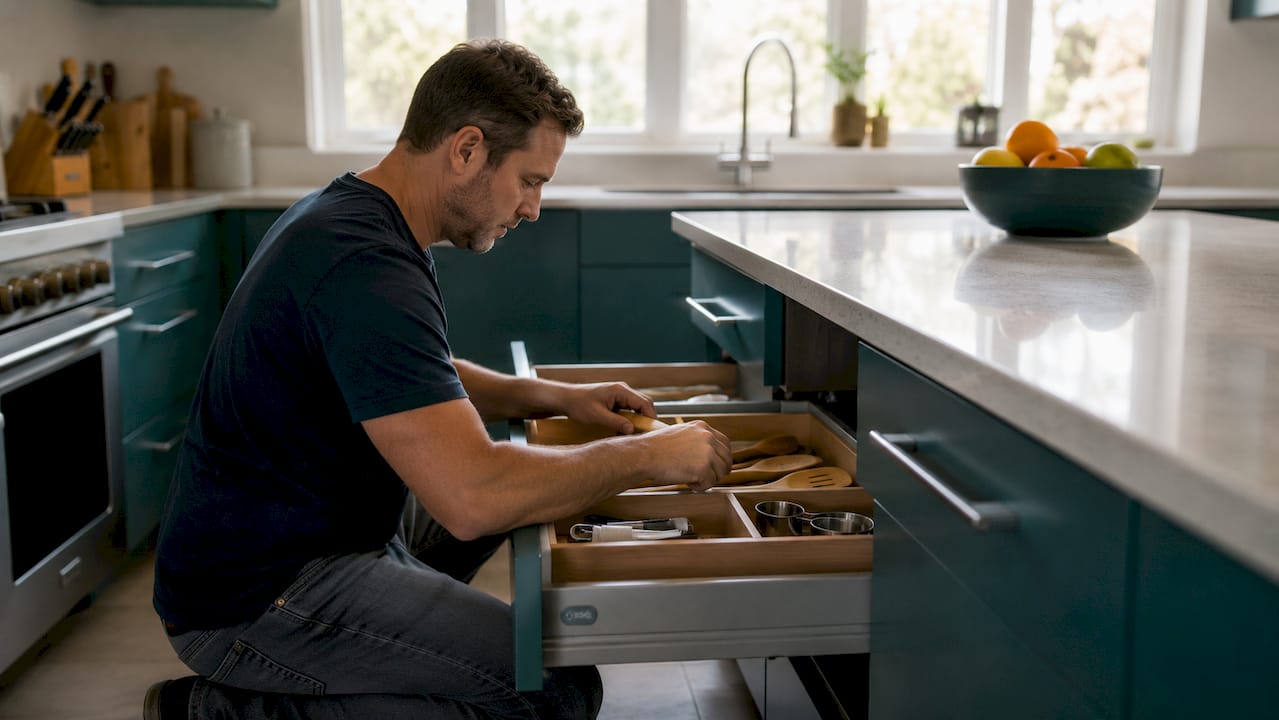
Think about your daily patterns. Where do you drop your keys? Where do shoes pile up? Where does mail accumulate? Those friction points reveal exactly where storage is missing or misplaced. A shoe cabinet near the front door solves the shoe pile problem permanently. A small shelf or tray near the entry handles keys and mail.
Common workflow-driven storage setups that work in real homes include:
- Entry zone storage: Shoe cabinets, coat hooks, and small trays placed at the door capture items that otherwise scatter through the home.
- Kitchen counter storage: Vertical organizers and pull-out cabinet inserts keep frequently used tools accessible without cluttering counters.
- Bedroom workflow storage: Nightstand drawers, under-bed bins, and closet organizers placed by category (not by item type) match how people actually get dressed.
- Home office storage: Desktop organizers and labeled drawer systems reduce the time spent searching for documents or supplies.
Pro Tip: Before buying any storage product, spend one week noting where clutter naturally collects in your home. Buy storage for those exact spots first. That approach delivers faster results than buying storage for areas that already work.
The biggest pitfall is buying storage based on aesthetics alone. A stylish open shelf looks great in a catalog but collects dust and visual noise in a real home. Closed storage, like cabinets and drawers, hides clutter and requires less daily maintenance. Prioritize accessibility and ease of use, then consider appearance.
How to select and maintain storage solutions for maximum efficiency
Choosing the right storage comes down to three factors: purpose, ergonomics, and simplicity. Purpose-built, ergonomic storage reduces strain and accidents by placing items at safe heights and within comfortable reach. Generic shelving placed too high or too low creates daily discomfort and long-term injury risk.
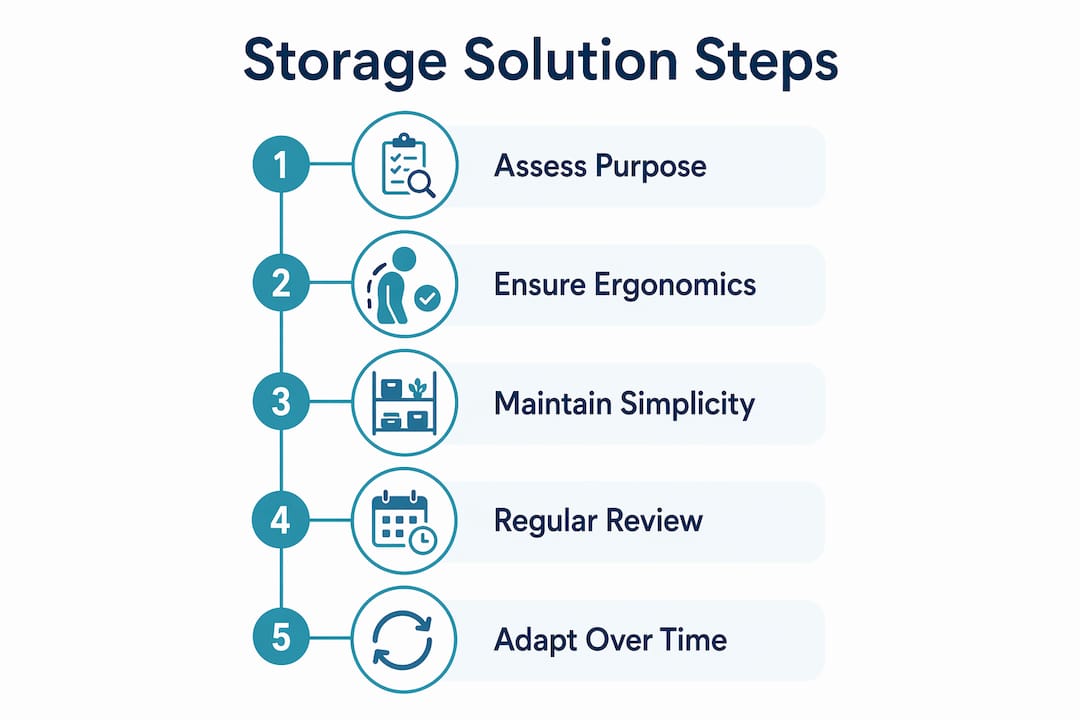
Simplicity is equally critical. Maintaining three to four storage tiers is the recognized best practice for balancing organization with manageable maintenance. More categories mean more decisions, more labels, and more chances for the system to break down. Keep your storage logic clear enough that anyone in your household can follow it without a guide.
Here is a side-by-side look at strong versus weak storage choices:
| Factor | Strong choice | Weak choice |
|---|---|---|
| Purpose | Purpose-built cabinet for shoes, tools, or linens | Generic box used for mixed, unlabeled items |
| Ergonomics | Shelves at waist-to-eye height for daily-use items | Heavy items stored above shoulder height |
| Scalability | Modular unit with add-on shelves available | Fixed single-piece furniture with no expansion |
| Simplicity | Three to four clear categories per storage zone | Ten-plus subcategories requiring constant sorting |
| Maintenance | Smooth surfaces, removable bins, easy to clean | Fabric-lined drawers or hard-to-reach corners |
Maintenance is the part most homeowners skip. Storage systems degrade when they are not reviewed regularly. Set a twice-yearly schedule to check for overloading, damaged shelves, and items that no longer belong in a given space. Upgrading storage organization consistently delivers faster returns than simply adding more furniture, because it reduces the waste and time lost in a disorganized system.
Explore types of home storage solutions to match specific furniture options to the rooms and workflows in your home.
Key Takeaways
Prioritizing storage solutions means choosing purpose-built, scalable systems aligned with your daily habits, which delivers lasting safety, space efficiency, and reduced clutter.
| Point | Details |
|---|---|
| Safety comes first | Purpose-built storage prevents tip-overs, overloading, and injury from unstable shelving. |
| Plan on a rolling timeline | Use a 3–5 year planning window to avoid emergency purchases and match storage to your lifestyle. |
| Match storage to workflow | Place storage where clutter naturally collects, not where it looks best in a floor plan. |
| Keep categories simple | Limit storage tiers to three or four zones to reduce maintenance and keep the system usable. |
| Upgrade before expanding | Reorganizing existing storage delivers faster results than buying more furniture or moving to a larger space. |
Storage planning is more strategic than most people realize
I have seen the same pattern repeat in home after home. Someone buys a beautiful set of open shelves, fills them up within two months, and then spends the next year stacking things in front of them. The problem was never a lack of storage. It was a mismatch between the storage purchased and the actual habits of the person living there.
The insight from lifecycle-focused storage planning is that storage should be treated as a dynamic, evolving part of your home, not a one-time purchase you make and forget. That mindset shift changes everything. Instead of asking “how much storage do I need right now,” you start asking “what will my storage needs look like in three years, and can my current system handle that?”
The other mistake I see constantly is over-complication. People buy elaborate organizer systems with dozens of bins, labels, and subcategories. Within six weeks, the system collapses because it requires too much daily decision-making to maintain. The simplest storage systems are the ones that actually stick. Three clear zones, logical placement, and furniture that closes are more effective than any elaborate organization scheme.
My honest recommendation: start with your front door and your bedroom. Those two areas drive the most daily friction in most homes. Fix them first with purpose-built, closed-door storage. Then work outward. You will see results faster, and the momentum will carry you through the rest of the home.
— Enn
Transform your space with Newwayref storage furniture
Newwayref offers a thoughtfully curated selection of home storage furniture designed to fit real living spaces. From shoe cabinets that keep entryways clear to multi-function coffee tables with built-in storage, every piece is chosen for both function and modern style. The collection covers the storage gaps that matter most: entryways, living rooms, bedrooms, and kitchens. Free shipping on orders over $50 makes it easy to start upgrading your space without extra cost. Browse the full range at Newwayref and find storage solutions built to grow with your home.
FAQ
Why should you prioritize storage solutions at home?
Prioritizing storage solutions improves safety, reduces clutter, and makes daily routines faster. Purpose-built storage prevents injury from unstable shelving and keeps your home organized long-term.
What is the best way to plan home storage capacity?
Plan storage on a 3–5 year rolling basis rather than buying for your current needs alone. This approach prevents last-minute purchases and aligns storage with how your lifestyle will change over time.
How do you choose storage that actually gets used?
Choose storage based on where clutter naturally collects in your daily routine, not based on appearance alone. Storage aligned with your workflow habits gets used consistently and stays organized.
How many storage categories should a home have?
Three to four clear storage categories per zone is the recognized best practice. More categories increase maintenance and make the system harder to follow for everyone in the household.
Is it better to reorganize storage or buy more furniture?
Reorganizing and upgrading existing storage delivers faster results than adding more furniture. Improving organization reduces wasted space and time before any new purchases are needed.