

Sorting through endless living room furniture options can feel overwhelming when you want your apartment to strike the right balance between style and practicality. For young professionals living in global cities, the perfect furniture is more than decoration—it is the functional core of your home environment. With modern trends bringing together smart design, sustainability, and personal expression, you will discover how to choose pieces that fit your lifestyle while maximizing every square foot.
Table of Contents
- Living Room Furniture: Purpose And Importance
- Modern Trends Shaping Furniture Choices
- Key Features Of Contemporary Models
- Wellness, Comfort, And Lifestyle Benefits
- Sustainability And Smart Design Integration
- Costs, Mistakes, And Upgrade Alternatives
Key Takeaways
| Point | Details |
|---|---|
| Versatile Furniture | Choose furniture that adapts to multifunctional needs, optimizing limited living spaces while providing comfort and style. |
| Sustainability Matters | Prioritize eco-friendly materials and sustainable production practices to minimize environmental impact and ensure durability. |
| Smart Design Integration | Look for modern furniture that incorporates technology for enhanced functionality, such as embedded charging stations and ergonomic features. |
| Strategic Budgeting | Develop a comprehensive furniture budget that accounts for purchase price, maintenance, and expected lifespan to make informed decisions. |
Living Room Furniture: Purpose And Importance
Living room furniture represents more than mere decorative elements - it forms the functional core of our home environments. Modern residential furniture design has evolved to address increasingly complex urban living challenges, transforming how we utilize our personal spaces.
The fundamental purposes of living room furniture extend well beyond simple seating and aesthetic appeal. These pieces serve critical functions in our daily lives:
- Facilitating social interactions
- Providing comfort and relaxation
- Creating functional workspace zones
- Defining spatial boundaries within open floor plans
- Expressing personal style and identity
Furniture plays a profound role in shaping human experiences. Furniture classification research highlights how these design elements contribute not just to physical comfort, but also to psychological well-being and social connectivity.
Modern urban dwellers require furniture that adapts to multifunctional needs. Versatility has become a key consideration, with pieces that can transform, expand, or serve multiple purposes gaining significant popularity. Young professionals especially seek furniture solutions that maximize limited living spaces while maintaining aesthetic elegance.
Furniture is not just about filling a room - it’s about creating an environment that supports your lifestyle and personal narrative.
Functional design now prioritizes:
- Space efficiency
- Modular configurations
- Ergonomic support
- Aesthetic flexibility
- Easy maintenance
Pro tip: When selecting living room furniture, prioritize pieces that offer multiple functions and can adapt to your changing lifestyle needs.
Modern Trends Shaping Furniture Choices
Furniture design has undergone a remarkable transformation, reflecting broader societal shifts and technological advancements. Furniture design evolution reveals a dynamic landscape where traditional aesthetics merge with cutting-edge innovations.
Contemporary furniture trends are characterized by several key principles:
- Sustainability and eco-friendly materials
- Digital integration and smart features
- Multifunctional and adaptable designs
- Minimalist aesthetic with maximum utility
- Personalization and customization options
Technological integration has become a cornerstone of modern furniture design. Young professionals and urban dwellers increasingly seek furniture that seamlessly blends form, function, and digital capabilities. This means pieces that can charge devices, adapt to changing spaces, and provide ergonomic support while maintaining a sleek, contemporary look.
Modern furniture is not just about appearance - it’s about creating intelligent living environments that respond to our evolving lifestyle needs.
Sustainability has emerged as a critical factor in furniture selection. Consumers now prioritize:
- Recycled and renewable materials
- Low-carbon manufacturing processes
- Furniture with long-term durability
- Ethical production practices
- Minimal environmental impact
Spatial efficiency represents another significant trend, particularly for urban residents with limited living areas. Furniture designers are developing innovative solutions that maximize functionality without compromising aesthetic appeal.
Pro tip: When selecting modern furniture, look for pieces that offer multiple functions, integrate technology, and demonstrate a commitment to sustainable design practices.
Key Features Of Contemporary Models
Contemporary furniture design represents a sophisticated fusion of form, function, and cultural innovation. Contemporary furniture design analysis reveals a complex landscape where aesthetic appeal meets practical performance.
The most distinctive features of modern furniture models include:
- Ergonomic design for superior comfort
- Modular and adaptable configurations
- Sustainable and eco-friendly materials
- Smart technology integration
- Minimalist aesthetic with maximum utility
Ergonomic engineering has become a paramount consideration in contemporary furniture development. Designers now prioritize human-centric approaches that support physical well-being, creating pieces that adapt to individual body mechanics and provide optimal support during extended use.
Contemporary furniture is no longer just about filling a space - it’s about creating intelligent environments that enhance human experience.
Material innovation plays a crucial role in modern furniture design. Consumers are increasingly demanding:
- Recycled and renewable material sources
- Lightweight yet durable construction
- Low environmental impact production
- Resistance to wear and aging
- Hypoallergenic and easy-to-clean surfaces
The intersection of cultural influences and technological advancements has transformed furniture from mere functional objects to personalized lifestyle statements. Urban professionals seek pieces that reflect individual identity while maintaining practical versatility.
Pro tip: Evaluate contemporary furniture models by assessing their ergonomic design, material sustainability, and potential for adapting to changing living spaces.
Here’s how contemporary furniture features address modern lifestyle needs:
| Feature | Lifestyle Benefit | Real-World Example |
|---|---|---|
| Modular Configuration | Easily reconfigures for activities | Sofa that splits into sections |
| Ergonomic Design | Reduces fatigue and discomfort | Adjustable reclining chair |
| Integrated Technology | Enhances digital connectivity | Coffee table with USB charging |
| Sustainable Materials | Supports environmental wellness | Bamboo or recycled wood options |
| Minimalist Shape | Maximizes usable living space | Wall-mounted storage units |
Wellness, Comfort, And Lifestyle Benefits
Upgrading living spaces represents far more than a cosmetic transformation - it’s a holistic approach to enhancing personal well-being and quality of life. Modern furniture choices directly impact our physical and psychological health, creating environments that support optimal living.
The wellness benefits of thoughtfully selected furniture extend across multiple dimensions:
- Improved physical comfort and ergonomic support
- Reduced stress through intentional design
- Enhanced mental clarity and cognitive function
- Better sleep and relaxation environments
- Increased personal productivity and motivation
Psychological wellness emerges as a critical consideration in contemporary furniture selection. Each piece becomes more than a functional object - it’s a contributor to mental health and emotional stability. Urban professionals increasingly recognize that their living environment profoundly influences their daily psychological experience.
Wellness is not an outcome, but a continuous process of creating spaces that nurture and support human potential.
Lifestyle enhancement through furniture design involves several key strategies:
- Creating flexible, multipurpose living areas
- Supporting work-from-home functionality
- Promoting physical movement and comfort
- Enabling social interaction and connection
- Reflecting personal identity and aesthetic preferences
Wellness in interior design demonstrates that carefully chosen furniture can transform living spaces into holistic environments that support physical and mental well-being. The right furniture becomes an investment in personal health and quality of life.
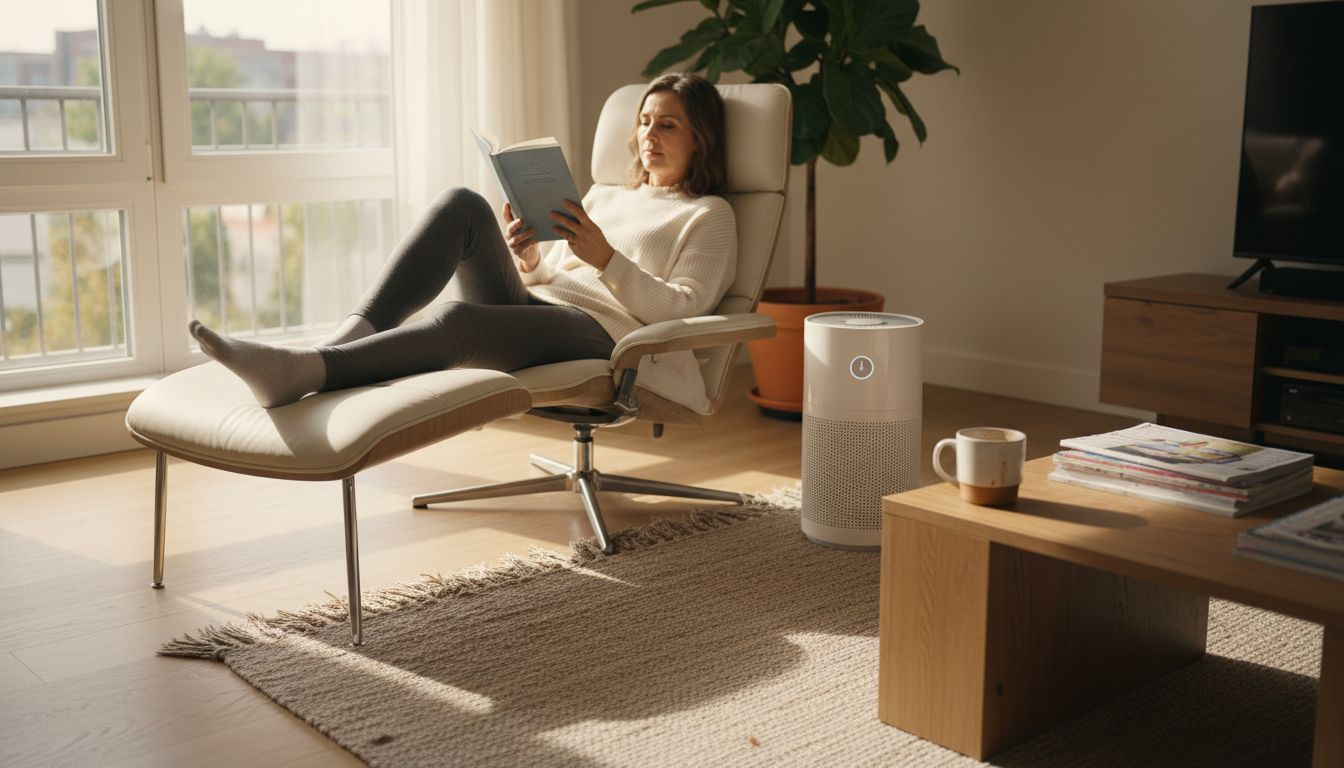
Pro tip: Select furniture pieces that not only look good but actively contribute to your physical comfort, mental well-being, and lifestyle goals.
Sustainability And Smart Design Integration
Furniture Life Cycle Design represents a revolutionary approach to creating living room furniture that balances environmental responsibility with cutting-edge technological innovation. Modern consumers are increasingly demanding furniture solutions that minimize ecological impact while maximizing functional performance.
Key principles of sustainable furniture design include:
- Using recycled and renewable materials
- Implementing modular and adaptable configurations
- Designing for long-term durability
- Minimizing carbon footprint during production
- Enabling easy repair and component replacement
Smart design integration goes beyond traditional manufacturing approaches. Urban professionals now seek furniture that seamlessly incorporates technological capabilities, transforming living spaces into intelligent, responsive environments. This means pieces that can adapt to changing needs, support digital connectivity, and enhance overall living experience.
Sustainability is not a compromise - it’s an opportunity to create more innovative, efficient, and meaningful design solutions.
Technological considerations for modern furniture now encompass:
- Embedded charging stations
- Wireless connectivity features
- Sensors for environmental monitoring
- Energy-efficient manufacturing processes
- Adaptive ergonomic configurations
The intersection of sustainability and smart design represents a profound shift in how we conceptualize living room furniture. Each piece becomes a potential instrument of environmental stewardship and personal productivity, reflecting a holistic approach to interior design.
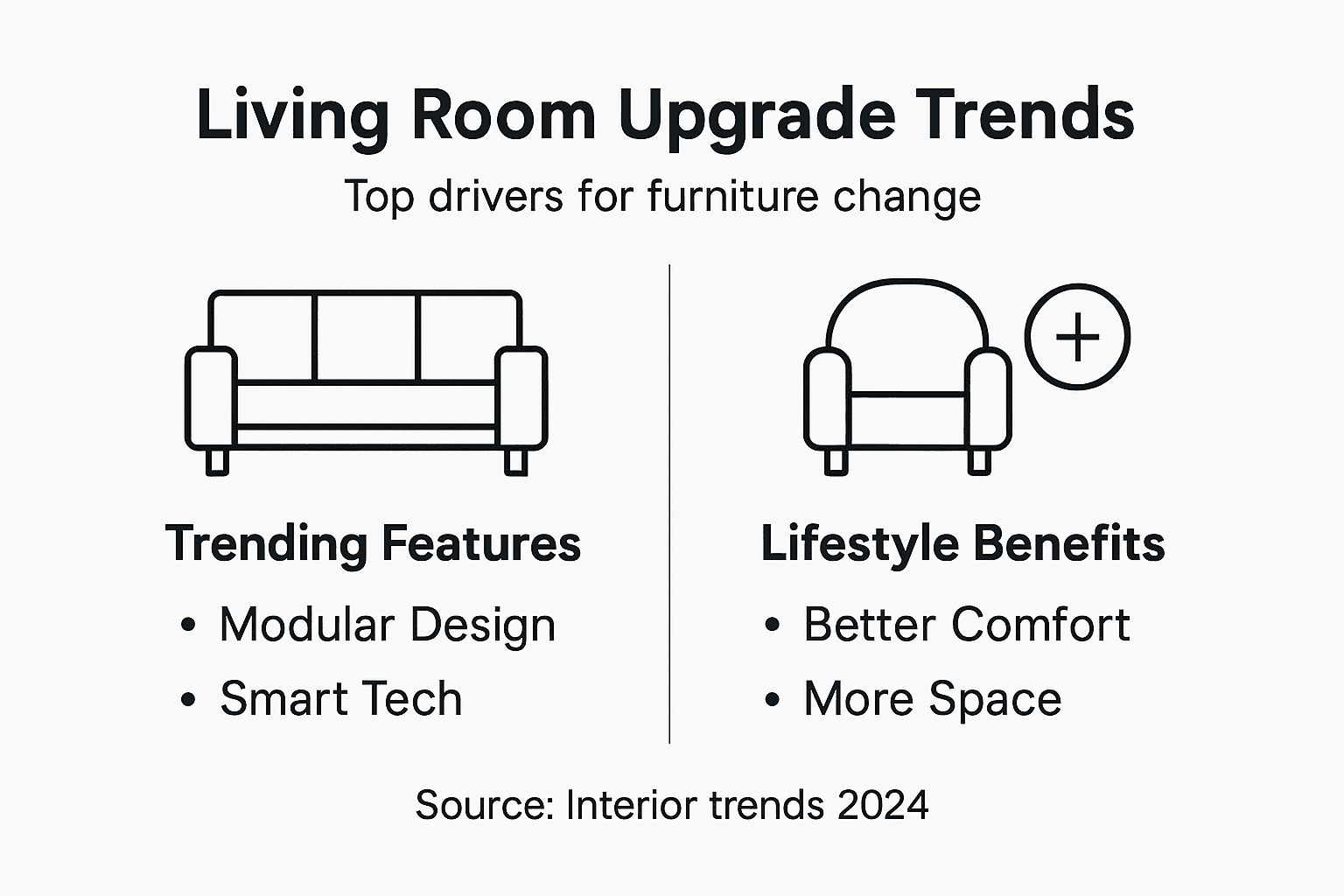
Pro tip: Prioritize furniture that offers multiple functions, uses sustainable materials, and integrates smart technologies to maximize both environmental and practical value.
Costs, Mistakes, And Upgrade Alternatives
Costly furniture purchasing mistakes can significantly impact your living space’s functionality and budget. Understanding these pitfalls is crucial for making informed decisions that balance aesthetic appeal, comfort, and financial prudence.
Common furniture upgrade mistakes include:
- Purchasing oversized pieces without measuring
- Ignoring storage and functionality requirements
- Prioritizing style over comfort
- Neglecting long-term durability
- Failing to establish a realistic budget
- Impulse buying without strategic planning
- Overlooking ergonomic considerations
Budget management plays a critical role in successful furniture upgrades. Young urban professionals must develop strategic approaches that maximize value while minimizing unnecessary expenditure. This involves careful research, comparison shopping, and understanding the total cost of ownership beyond the initial purchase price.
Smart furniture investments are about balance - finding pieces that offer aesthetic appeal, functional utility, and long-term value.
Alternative upgrade strategies include:
- Purchasing modular furniture
- Exploring second-hand high-quality pieces
- Investing in multifunctional designs
- Considering rental or lease options
- Participating in furniture exchange programs
Financial considerations extend beyond the initial purchase. Potential buyers should evaluate maintenance costs, potential repair expenses, and the furniture’s expected lifespan. Quality pieces might require higher upfront investment but can provide superior long-term value and performance.
To help avoid overspending, compare these popular furniture upgrade strategies:
| Strategy | Upfront Cost | Long-Term Value |
|---|---|---|
| Buy New Modular Furniture | High initial price | Flexible, lasting use |
| Purchase Second-Hand Quality | Lower purchase | Durable, unique pieces |
| Rent Furniture | Monthly expense | Easy swap, less waste |
| Invest in Multifunctional Design | Moderate cost | Saves money on extras |
| Join Furniture Exchange Program | Low to moderate | Community and savings |
Pro tip: Create a comprehensive furniture budget that includes purchase price, potential maintenance costs, and expected replacement timeline to make more informed purchasing decisions.
Transform Your Living Room Into a Wellness Haven Today
Upgrading your living room furniture is more than just a style choice. The article highlights challenges like maximizing small urban spaces, prioritizing ergonomic comfort, and embracing sustainable materials. These are exactly the goals you can achieve with modern options that support your lifestyle and well-being. Say goodbye to bulky, inflexible furniture and welcome adaptable, multifunctional pieces designed to enhance comfort and boost your daily productivity.
Explore our carefully curated collections in Home & Kitchen and Home Decor to find furniture that blends smart design, sustainability, and style. Don’t wait for your space to limit you. Visit New Way Ref now and take the first step toward creating an intelligent living environment that truly supports your well-being and modern lifestyle.
Frequently Asked Questions
Why is it important to upgrade living room furniture?
Upgrading living room furniture enhances comfort, improves functionality, and can positively impact your physical and psychological well-being. Modern designs emphasize versatility, ergonomic support, and sustainability, making them better suited for contemporary lifestyles.
What features should I look for when selecting new living room furniture?
When selecting new furniture, prioritize ergonomic design for comfort, modular configurations for space efficiency, and sustainable materials for environmental impact. Additionally, consider pieces that integrate technology for added convenience.
How can furniture design affect my lifestyle and well-being?
Furniture design profoundly impacts your lifestyle by improving comfort, encouraging social interaction, and enhancing productivity. Thoughtfully chosen furniture can create supportive environments that optimize physical comfort and mental well-being.
What are common mistakes people make when upgrading their furniture?
Common mistakes include purchasing oversized pieces, ignoring practical functionality, prioritizing style over comfort, and failing to assess long-term durability. It’s important to develop a budget and plan to ensure you make informed, value-driven decisions.