

TL;DR:
- Living in smaller urban homes is more about smart furniture choices and efficient layouts than increasing square footage.
- Multifunctional furniture can significantly reduce clutter, maximize space, and adapt to daily needs, making rooms feel more open and organized.
You don’t need a bigger apartment to live better. That’s the idea most city dwellers haven’t fully accepted yet. In compact urban homes, the real problem isn’t the square footage — it’s how the space is being used. Thoughtfully chosen furniture and smart layouts can turn a cramped studio or one-bedroom into a place that feels open, organized, and genuinely comfortable. This article walks you through the real benefits, honest trade-offs, and practical steps to help you make the most of every inch of your home.
Table of Contents
- How space-saving solutions reclaim your living area
- Key advantages: More space, less mess, and greater adaptability
- Common trade-offs and challenges of space-saving furniture
- Practical steps to implement space-saving solutions at home
- A fresh perspective: Why space-saving solutions are about freedom, not restriction
- Discover your space-saving solution today
- Frequently asked questions
Key Takeaways
| Point | Details |
|---|---|
| Maximize living space | Multifunctional furniture can reclaim floor area and make small homes feel bigger. |
| Cut clutter and stress | Hidden storage and dual-purpose pieces reduce mess and simplify organizing. |
| Balance pros and cons | Consider stability and installation challenges before purchasing space-saving items. |
| Flexible solutions for renters | Modular furniture adapts to lease terms and future moves with minimal hassle. |
| Easy real-life implementation | Smart planning and product choices allow you to optimize any home, no renovations required. |
How space-saving solutions reclaim your living area
The first step toward a more functional home is understanding what space-saving furniture actually does. It’s not just about buying smaller pieces. It’s about choosing furniture that works harder for your space.
Space-saving furniture tips cover a wide range of products designed to eliminate clutter and maximize usable floor area. When a single piece of furniture replaces two or three separate items, you immediately free up floor space that can be used for movement, entertaining, or simply breathing room.
Space-saving furniture is used to reduce clutter and reclaim usable floor space in small, dense urban homes. That’s a straightforward goal, and the products built around it are more varied than most people expect.
Here are some of the most effective multifunctional options available:
- Storage ottomans that double as seating and hidden storage for blankets, remotes, or shoes
- Sofa beds that serve as a couch during the day and a guest bed at night, removing the need for a separate guest room
- Murphy beds that fold flat against the wall and reclaim the entire bedroom floor during waking hours
- Convertible desks that fold down from the wall when needed and disappear when work is done
- Lift-top coffee tables that rise to desk height for eating or working without needing extra furniture
These aren’t compromise pieces. When chosen correctly, they perform as well as single-purpose furniture while dramatically changing how your space feels.
“The best space-saving furniture doesn’t feel like a substitute. It feels like a smarter version of what you already needed.” This mindset shift is what separates a well-designed small space from one that just feels cluttered with small things.
Pro Tip: Focus on dual-purpose furniture in high-traffic zones first. The living room and bedroom are where you spend the most time, so that’s where multifunctional smart furniture choices will have the most visible impact on your daily life.
Key advantages: More space, less mess, and greater adaptability
Now that you understand the fundamental value of reclaiming space, let’s spotlight the core advantages these solutions bring and how they stack up in real life.
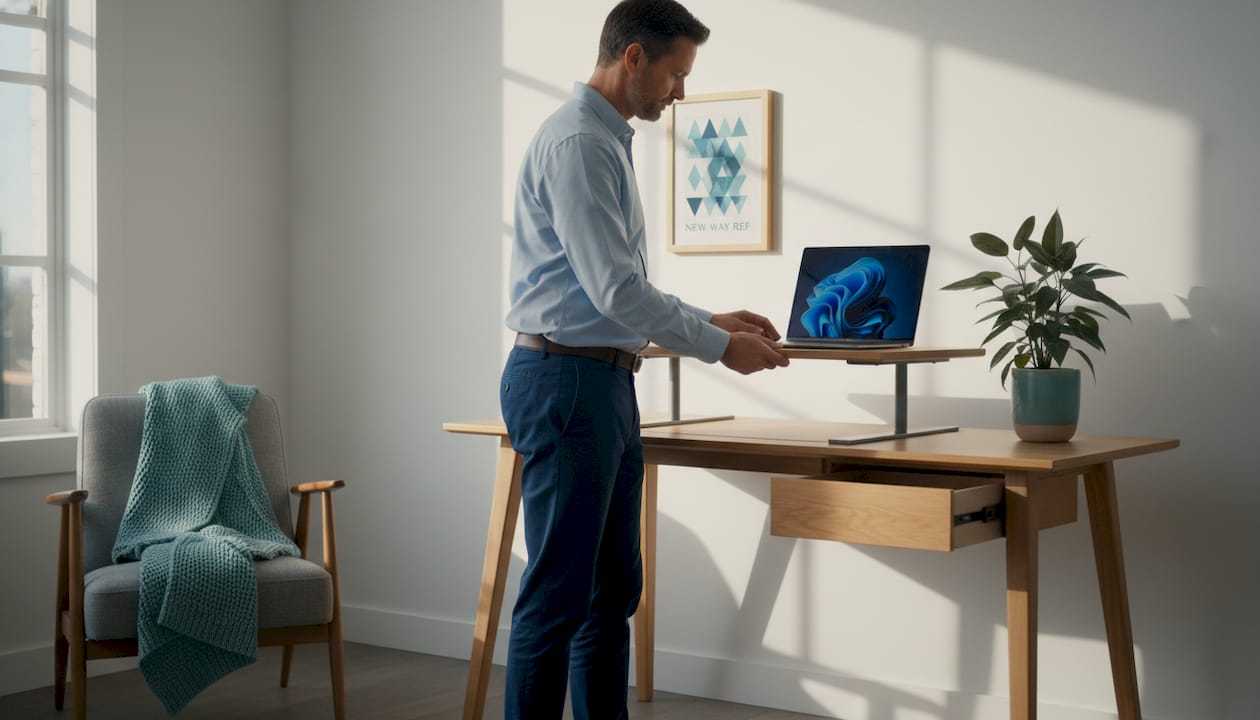
The numbers tell a compelling story. An IJNRD study reports that a combined study table and bedside table cut space use by about 35%, while 87% of users found switching between the two functions easy. That’s not a minor improvement. A 35% reduction in furniture footprint can mean the difference between a room that feels livable and one that feels like an obstacle course.
Traditional vs. multifunctional furniture: Side by side
| Feature | Traditional furniture | Multifunctional furniture |
|---|---|---|
| Floor space used | High (separate pieces) | Low (one piece, multiple uses) |
| Clutter level | Often higher | Significantly reduced |
| Setup flexibility | Fixed layout | Modular, rearrangeable |
| Renter suitability | Moderate | High (no renovation needed) |
| Ease of daily use | Immediate | Simple after brief learning curve |
| Long-term cost | Higher (buying separate items) | Lower overall investment |
The table shows a clear pattern. Multifunctional furniture wins on most counts for urban renters and homeowners with limited square footage.
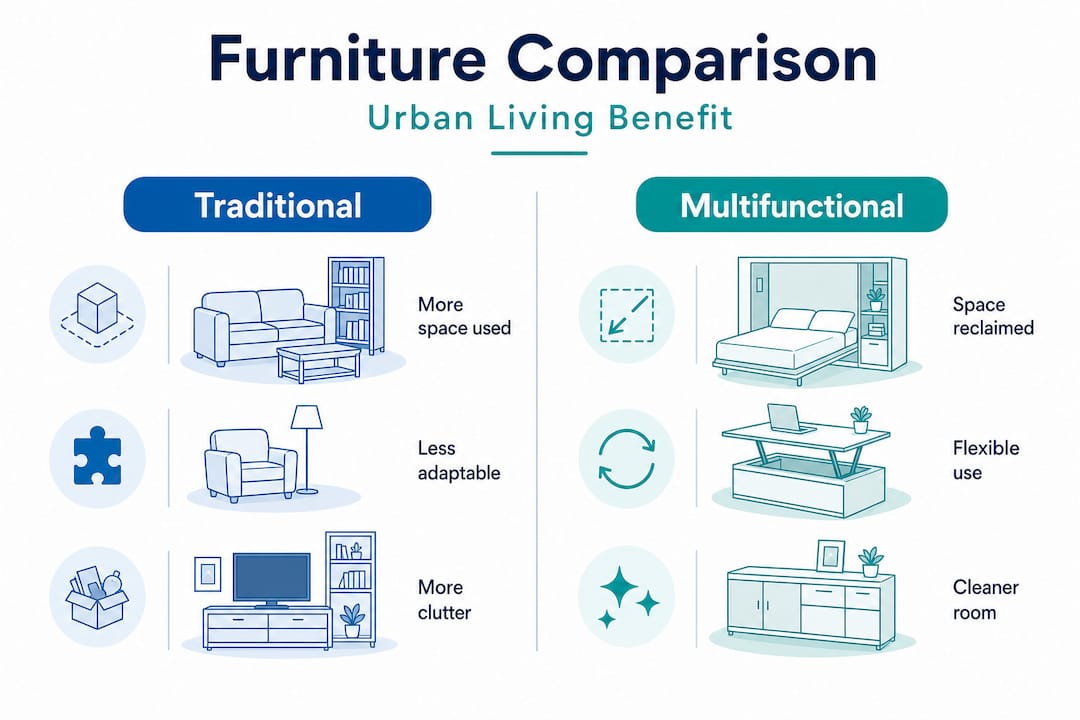
Beyond the numbers, the space planning benefits are felt in everyday living. When your home adapts to your needs rather than forcing you to work around fixed furniture, your daily routine becomes noticeably easier.
Here’s a simple numbered process for making multifunctional furniture work day to day:
- Identify your primary daily activities in each room. Do you work from home? Host guests often? Exercise indoors?
- Match each activity to a furniture function. A sofa bed handles both lounging and hosting. A storage ottoman handles seating and organization.
- Set up your conversion routine. Practice folding out a sofa bed or lowering a Murphy bed until it takes under two minutes. Speed matters for daily use.
- Label or organize what’s stored inside. Ottomans and storage benches work best when their contents are easy to find quickly.
- Reassess every few months. Your needs change. A modular setup lets you rearrange without buying anything new.
Renters benefit especially here. Most multifunctional furniture requires no permanent installation, which means you can take it with you when you move. That’s a major advantage over built-in shelving or fixed cabinetry. Living room storage options that don’t require drilling or construction are a practical win for anyone in a rental property.
Common trade-offs and challenges of space-saving furniture
Despite clear benefits, there are also practical compromises to consider before investing in space-saving solutions. Knowing the limitations helps you buy smart, not just buy small.
According to House Digest, some space-saving options can reduce stability, increase maintenance complexity, or constrain room layouts. Murphy beds, for example, require specific wall support and placement clearance. Sofa beds add mechanical weight and wear points that a standard couch doesn’t have. These aren’t dealbreakers, but they are real factors worth understanding before purchase.
Comparison: Where traditional and space-saving furniture differ
| Factor | Traditional furniture | Space-saving furniture |
|---|---|---|
| Structural stability | Generally higher | Can vary by design and brand |
| Installation needs | Minimal | Wall mounting sometimes required |
| Mobility | Easy to move | Heavier or bulkier in some cases |
| Maintenance frequency | Low | Moderate (moving parts wear over time) |
| Room layout constraints | Few | Placement requirements for some items |
Here are the most common issues to watch for when shopping for space-saving pieces:
- Murphy beds often require professional installation and enough ceiling clearance. Placing one in a room with low ceilings or no sturdy wall can cause problems.
- Sofa beds are heavier than standard sofas due to the folding mattress frame. Moving them during cleaning or rearranging takes more effort.
- Fold-down desks can feel less stable than freestanding desks, especially if the wall mount isn’t secured properly.
- Convertible dining sets may feel less comfortable for extended use compared to a traditional full-size table and chairs.
- Modular shelving can shift or sag if not assembled correctly, particularly when heavily loaded.
The living room layout downsides are also worth considering. Some furniture placements limit where natural light enters a room or block access to outlets and vents. Thinking through traffic flow before buying saves frustration later.
If you’re working with an open-plan layout and need visual separation without walls, decorative window film is one non-permanent option that renters can use without drilling or structural changes.
Pro Tip: Always check the manufacturer’s installation requirements and read the mechanism details before buying any convertible furniture. Moving parts are the first thing that wears out, so understanding how they work upfront prevents surprises down the road.
Practical steps to implement space-saving solutions at home
With a clear-eyed view of trade-offs, you’re ready to explore how to make space-saving solutions work in your own home. Here’s how to get started without feeling overwhelmed.
For renters, modular and multifunctional approaches support adaptability without major renovations, but mechanisms can still be limited by landlord rules around drilling and permanent installation. Knowing your lease terms before shopping is essential.
Follow these steps to choose and integrate the right pieces into your space:
- Audit your current furniture. Walk through each room and note which pieces are used daily, which are rarely touched, and which take up space without earning their place.
- Measure everything. Floor area, ceiling height, doorframe width, and wall stud locations all matter when choosing multifunctional furniture. A Murphy bed that won’t fit through your door is a costly mistake.
- Set a priority list by zone. Start with the room where clutter causes the most stress. For most urban dwellers, that’s the living room or bedroom.
- Research installation needs before buying. Check whether your chosen piece requires wall anchoring, and confirm with your landlord if so. Many storage solutions like freestanding shelving, stackable bins, and ottomans require no installation at all.
- Choose lightweight and modular where possible. Pieces you can reconfigure or move easily give you more flexibility over time, especially useful when you’re renting and may move within a few years.
- Test before committing. If you can, visit a showroom or check detailed video reviews that show the conversion mechanisms in action. Seeing how a fold-out desk or pull-down bed actually operates helps you judge whether it fits your daily routine.
Good home space planning starts with honest assessment of how you actually use your rooms versus how you think you use them. People often overestimate how often they need a dedicated guest room, for example, when a sofa bed handles guests just fine a few times a year.
For renters managing limited closet space, organizing small wardrobes is a related skill worth developing alongside your furniture upgrades. The same principles apply: prioritize what you use most, store what you use least, and eliminate what you don’t use at all.
Pro Tip: When in doubt, go modular. Lightweight modular shelving and stackable storage containers are completely landlord-friendly, easy to reconfigure, and can move with you to your next home without issue.
A fresh perspective: Why space-saving solutions are about freedom, not restriction
Here’s something most articles about small-space living don’t say directly: choosing space-saving furniture isn’t about accepting less. It’s about choosing more deliberately.
The instinct in many homes is to fill space. A bigger couch because there’s room for it. An extra armchair even though it’s rarely used. A side table that holds nothing but dust. These choices feel natural, but they often create homes that are harder to clean, harder to move through, and harder to relax in.
Space-saving design flips that logic. When each piece of furniture has a clear purpose and earns its place in your room, the result is a home that feels controlled rather than chaotic. That sense of control has a real effect on daily stress levels. You spend less time managing clutter, less time cleaning around unnecessary pieces, and more time actually enjoying your space.
The modern decor advantages of a cleaner, more intentional layout go beyond aesthetics. They change how the room feels to be in. A living room where you can actually see the floor, where furniture has clear visual breathing room, feels larger even if the square footage hasn’t changed.
This is why we think the “less is more” mindset works especially well in urban homes. It’s not a compromise forced on you by your city apartment. It’s a way of living that gives you more control over your environment and, by extension, more peace of mind. Functional freedom, knowing your furniture does what you need and nothing more, outshines the old idea that filling a room means living fully in it.
Discover your space-saving solution today
If you’ve been inspired to rethink how your home works, the next step is finding the right pieces to make it happen.
At New Way Ref, we’ve thoughtfully curated a collection of modern, stylish furniture designed specifically for homes where every square foot matters. From storage-smart coffee tables to versatile sofas that adapt to your lifestyle, our space-saving products are chosen with urban living in mind. You’ll find practical solutions that look great and work even harder. Whether you’re starting fresh or upgrading one room at a time, browse our modern storage solutions to find pieces that fit your space, your style, and your budget. Free shipping on orders over $50 makes it even easier to get started today.
Frequently asked questions
Are space-saving furniture pieces as durable as traditional options?
Space-saving furniture can be just as durable as traditional pieces, but moving parts may require more frequent maintenance over time. Choosing quality brands and checking mechanism warranties helps extend the lifespan of convertible furniture.
Can renters use space-saving solutions without making permanent changes?
Many modular and multifunctional pieces need no permanent installation, but wall-mounted options like Murphy beds may require landlord approval before drilling. Freestanding shelving, ottomans, and modular units are typically safe for any rental.
How much space can you really save with multifunctional furniture?
Case studies report savings of up to 35% in space used when combining furniture functions, such as a study table that also works as a bedside table. Results vary based on which pieces you choose and how your room is laid out.
What should I consider before buying a Murphy bed or sofa bed?
Check for proper wall support, sufficient room clearance, and ease of daily operation since Murphy beds have installation and placement requirements that not every room can accommodate. Weight and mechanical complexity are the main factors to evaluate for sofa beds.